

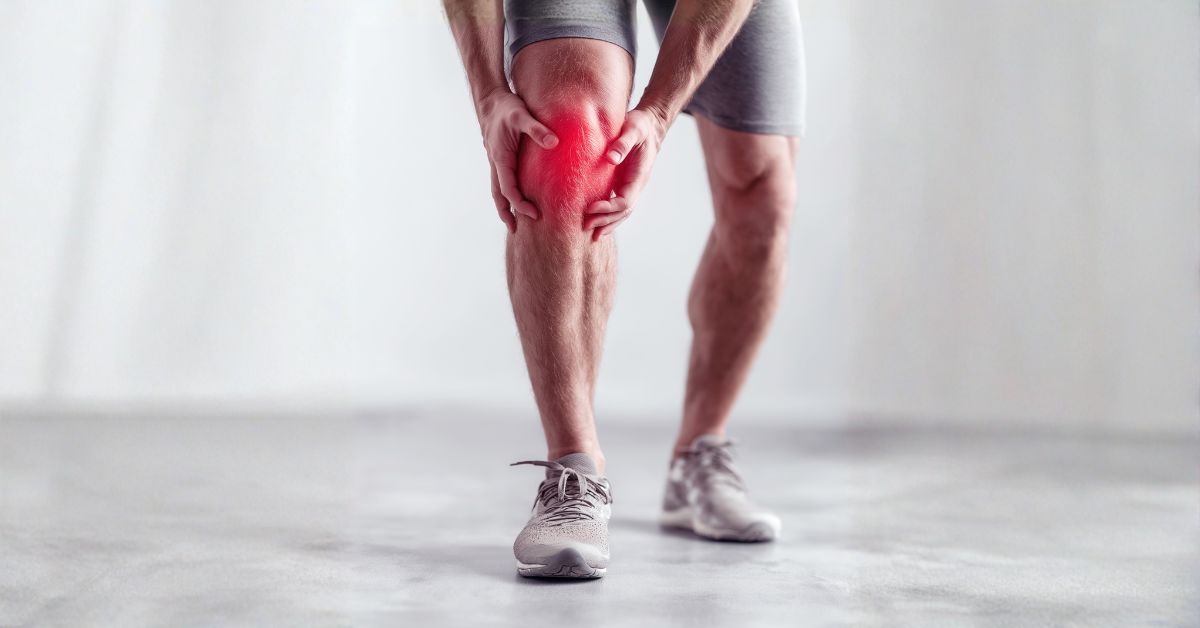
Did you hear your knee popping and immediately followed by a sudden, sharp pain? While a single “pop” may seem harmless, it can be one of the first warning signs of a serious knee injury — particularly an Anterior Cruciate Ligament (ACL) tear. The ACL is a vital structure that stabilises your knee. When it is injured, it can dramatically affect your movement, balance, and long-term joint health. In this article, we explore why a popping sound in the knee could mean more than just a minor sprain, what causes ACL tears, and when to seek help from an orthopaedic specialist.
Get An Appointment With An Orthopaedic Specialist
Contact UsBack To: Orthopaedic Sports Injuries Main Page
What Is The ACL And Why Does It Matter?
The Anterior Cruciate Ligament (ACL) is one of four major ligaments in the knee. It runs diagonally through the centre of the joint, connecting the thighbone (femur) to the shinbone (tibia). Its main roles include:
- Preventing the shinbone from sliding too far forward
- Providing rotational stability during movements like pivoting, twisting, and turning
- Coordinating complex motions during running, jumping, and landing
How Do ACL Tears Happen?
ACL tears may be partial or complete:
- Partial tear: Only part of the ligament is damaged. Pain and instability may be moderate. Partial tears can worsen over time and lead to further knee damage if left untreated.
- Complete tear: The ligament is fully torn, causing severe instability and swelling, often with an audible pop.
ACL tears are usually the result of sudden, high-stress movements, not gradual wear and tear. Common situations that cause ACL injuries include:
- Pivoting sharply while running or changing direction
- Landing awkwardly from a jump
- Sudden deceleration in sports like football, basketball, or netball
- Direct impact to the knee, such as during a collision or tackle
Although athletes are most at risk, ACL tears can also occur during everyday activities such as slipping on a wet floor, missing a step, or twisting the knee unexpectedly while the foot is planted.
What Are The Symptoms Of An ACL Tear?
Recognising the symptoms of an ACL injury can help prevent further damage to your knee. Here are the key indicators:
1. A Loud “Pop”
A sudden popping sound or sensation is often the moment the ACL tears. Many patients describe it as feeling or hearing their knee “give out.”
2. Immediate Pain
The pain is typically sharp and intense, often stopping you in your tracks. While it may subside slightly after a few minutes, it usually persists with movement.
3. Rapid Swelling
Within hours, the knee may become swollen due to internal bleeding — a hallmark of ligament injury. This sets it apart from minor sprains where swelling develops slowly.
4. Instability or “Giving Way”
With a torn ACL, the knee loses stability. Many people feel like their knee buckles or gives way, especially when trying to pivot or turn.
5. Limited Range of Motion
Pain and swelling make it difficult to fully bend or straighten the knee. Activities like squatting or kneeling may become impossible.
6. Difficulty Bearing Weight
Walking can be painful or unsteady. Some individuals can still walk but notice a wobbly, unstable feeling.
What Are Some Other Conditions That May Be Confused With An ACL Tear?
Not every knee pop means an ACL tear. Other knee injuries with similar symptoms include:
- Meniscus tears: Pain, swelling, and occasional locking of the knee
- Collateral ligament injuries: Pain along the inner or outer knee edges
- Patellar dislocation: A pop followed by swelling and visible kneecap misalignment
Because symptoms overlap, an accurate diagnosis by an orthopaedic surgeon or sports medicine specialist is crucial.
How Does An Orthopaedic Surgeon Diagnose An ACL Tear?
To diagnose an ACL tear, an orthopaedic surgeon typically uses:
Clinical Examination
Special tests are performed to assess knee stability, range of motion, and tenderness.
Imaging Tests
- MRI scans provide detailed images of the soft tissues, confirming if the ACL is torn and whether the meniscus or cartilage is affected.
- X-rays are often ordered to rule out fractures, though they cannot directly show ligament damage.
Accurate diagnosis ensures proper treatment and a smoother recovery.
What to Do If You Suspect an ACL Tear
If you’ve experienced a pop in your knee followed by sharp pain or swelling, here’s what to do immediately:
- Rest: Stop activity and avoid putting weight on the knee.
- Ice: Apply ice packs for 15–20 minutes every few hours.
- Compression: Use an elastic bandage to control swelling.
- Elevation: Raise your leg above heart level to reduce fluid buildup.
These are however, just temporary measures. You should see an orthopaedic specialist as soon as possible for diagnosis and treatment.
Recovery And Treatment Options
Depending on the tear’s severity and your activity level, treatment may involve:
- Non-surgical management: Physiotherapy, bracing, and strengthening exercises for partial tears or less active patients.
- Surgical reconstruction: For complete tears or those wishing to return to sports. The torn ligament is replaced with a graft to restore knee stability.
Recovery may take several months and require guided rehabilitation to regain strength, balance, and flexibility.
Frequently Asked Questions (FAQs)
Yes, some people can still walk after an ACL tear, especially once the initial pain and swelling subside. However, the knee may feel unstable or “give way” when turning or changing direction. Continuing to walk without treatment can cause further damage to the meniscus or cartilage, so it’s important to see an orthopaedic specialist as soon as possible.
Recovery depends on the severity of the tear and the treatment chosen. For partial tears managed non-surgically, rehabilitation may take 2–4 months. For complete tears requiring surgical reconstruction, full recovery — including physiotherapy — often takes 6 to 12 months before safely returning to sports or high-impact activities.
Not always. Partial tears or mild cases in less active individuals can often be managed with physiotherapy, bracing, and strengthening exercises. However, complete ACL tears or injuries in athletes typically require ACL reconstruction surgery to restore stability and prevent long-term joint issues such as arthritis or recurrent instability.
Preferred Doctors (Orthopaedic Surgeons) For Knee Sports Injuries
If you are looking for an orthopaedic surgeon for knee sports injury treatment, you can consider our Preferred Doctors:
- Dr Kevin Koo is an orthopaedic surgeon with more than 20 years of experience, particularly in managing foot and ankle conditions as well as joint and sports-related problems. He combines minimally invasive techniques with evidence-based care, which may help patients recover function and return to activity more smoothly.



[SG] Featured Doctor- Dr Kevin Koo
Get An Appointment With An Orthopaedic Surgeon
A popping knee with sharp pain should never be ignored. It could indicate a significant ligament injury like an ACL tear. Early diagnosis and treatment are key to preventing long-term instability and arthritis. If you’ve heard your knee pop and now feel pain, swelling, or weakness, consult an orthopaedic surgeon to assess the damage and start your recovery journey toward a stable, pain-free knee.
Contact UsBack To: Orthopaedic Sports Injuries Main Page
All content on this site is informative only and is not intended to be a substitute for professional medical advice, diagnosis, or treatment, and should never be relied upon for specific medical advice. If you are experiencing a medical emergency, call 995 immediately or go to the nearest Accident & Emergency department.
health365.sg is a member of Group 365Asia.