


Pilonidal sinus disease is a painful and recurrent condition that affects the area just above the cleft of the buttocks. Traditional surgery to treat pilonidal sinus can involve large excisions, lengthy healing times and significant discomfort. However, in Singapore, newer minimally invasive techniques such as laser treatments are now available, offering patients faster recovery, less pain, and lower recurrence rates. In this article, we explore what pilonidal sinus is, how laser pilonidal sinus surgery works, its advantages, and what to consider when seeking treatment in Singapore.
Need To Consult A Colorectal Surgeon?
Contact UsBack To: Colon & Rectal Cancer Main Page
Back To: Anorectal Conditions Main Page
Back To: Surgical Treatments Main Page
What Is Pilonidal Sinus Disease?
A pilonidal sinus is a small cavity or tunnel in the skin that often contains hair and debris. It commonly arises in the natal cleft (the crease between the buttocks) due to hair penetrating the skin, causing infection and chronic inflammation.
Symptoms of pilonidal disease include pain, swelling, redness, pus or blood discharge, recurrent abscesses, and sometimes fever if infection occurs. Risk factors include coarse body hair, sedentary lifestyle, obesity, prolonged sitting, and poor hygiene.
Why Consider Pilonidal Sinus Surgery — And Why Laser?
Conservative measures such as keeping the area clean, hair removal, sit-z baths and antibiotics may relieve symptoms temporarily. But for many patients with chronic or recurrent pilonidal sinus, surgical intervention is often the most effective long-term solution.
Traditional surgical options include excision with primary closure, open healing, or flap procedures. These procedures can lead to prolonged recovery, wound care challenges, and risk of recurrence.
Laser-based approaches, such as the SiLaC (sinus laser closure) procedure, and the EPSiT (endoscopic pilonidal sinus treatment) offer a gentler alternative. SiLaC uses a laser fibre to ablate the sinus tract from the inside, sealing it shut without large external cuts. EPSiT involves using a small endoscope to visualise the tract and clean it under direct vision, often combined with cautery or laser to remove diseased tissue.
Benefits Of Laser/Endoscopic Pilonidal Sinus Surgery
Opting for a laser or endoscopic pilonidal sinus procedure in Singapore brings several advantages:
- Minimally Invasive
– Small access points or natural openings are used rather than large incisions.
– Less tissue trauma means less post-operative pain. - Faster Recovery
– Patients often return to daily activities more quickly compared to traditional surgery.
– Hospital stay may be shorter or even done as day-surgery, depending on the case. - Reduced Bleeding and Infection Risk
– Laser energy can seal blood vessels as it ablates tissue.
– Less exposed wound means lower infection risk. - Lower Recurrence
– By precisely targeting the sinus tract and removing diseased tissues, recurrence risk may be reduced.
– Combined with hair removal and good wound care, the long-term outcome improves. - Better Cosmetic Outcome
– Little scarring compared to large excisional surgery.
– More acceptable for patients concerned about visible wounds.

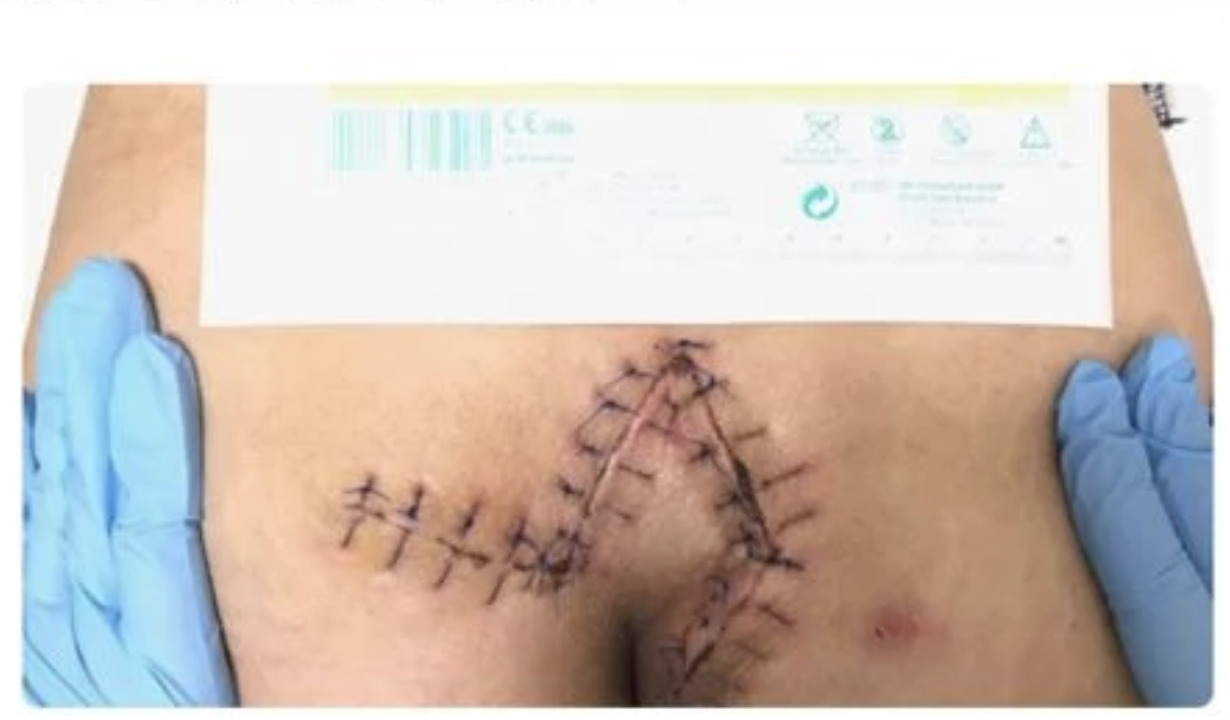


Surgery Images Courtesy Of Dr Daniel Lee
What To Expect In Singapore
If you choose to undergo laser or endoscopic pilonidal sinus surgery in Singapore, here is a typical journey:
- Consultation & Diagnosis
– A colorectal surgeon will assess your condition.
– The surgeon may perform clinical evaluation and imaging or endoscopy to map out the sinus tracts. - Treatment Planning
– Based on your disease severity, recurrence history and anatomy, the surgeon decides whether EPSiT, SiLaC or a more traditional surgery is most suitable.
– Dr Daniel Lee of the Colorectal Clinic has expertise in both EPSiT and SiLaC. - Procedure
– Under anaesthesia, the sinus tract is accessed via a scope or a small incision.
– Laser fibre or cautery cleans and seals the tract internally.
– The wound is typically very small, and external sutures may be minimal or unnecessary. - Post-Operative Care
– After surgery, good hygiene is essential. Hair removal by shaving, waxing or laser helps prevent recurrence.
– Keep the area dry, avoid prolonged sitting, and follow wound care instructions.
– Regular follow-up to monitor healing and prevent recurrence. - Long-Term Management
– Preventing recurrence is critical. Measures include hair removal, maintaining healthy weight and friction control in the area.
– Your surgeon may recommend periodic reviews to detect any new sinus formation early.
Risks And Considerations
Although laser/endoscopic surgery is less invasive, there are still potential risks:
- Bleeding or minor wound complications
- Infection, although less likely than open surgery
- Recurrence, if hair persists or wound care is suboptimal
Because of these considerations, it is essential to consult an experienced colorectal specialist to determine the right technique for your case.
Our Preferred Doctors For Colorectal Surgery



[SG] Featured Doctor- Dr Kevin Koo
Frequently Asked Questions (FAQs)
Not necessarily. suitability depends on your sinus tract anatomy, whether the disease is recurrent or complex, and your overall health. A specialist colorectal surgeon will evaluate whether a minimally invasive approach is appropriate for you.
Laser treatment is not suitable for absolutely all pilonidal cases, but it works very well for most. For index cases (first occurrence in a patient), surgeons can manage the condition effectively with SiLAC most of the time. If recurrence occurs, repeat laser treatment is feasible, and evidence shows that complete resolution is achievable after two or three sessions. For chronic, extensive disease or in patients with poor healing capacity, a conventional flap procedure may still be required to achieve durable results.
Recovery is generally faster than open surgery. Most patients return to light activities quickly, though full recovery depends on wound healing, hygiene, and follow-up care. Because the procedure involves minimal external wounds, downtime is often shorter.
While laser and endoscopic techniques reduce recurrence risk, the disease can still recur, especially if hair continues to grow in the area or hygiene is not maintained. Long-term success often involves regular hair removal and good wound care
Get An Appointment With A Colorectal Surgeon
Laser and endoscopic pilonidal sinus surgery represent a significant advancement in treating this common but troublesome condition. In Singapore, colorectal surgery clinics clinics provide access to these modern techniques, helping patients achieve effective treatment with less pain, shorter recovery, and better outcomes. If you are suffering from persistent or recurrent pilonidal disease, consulting a colorectal specialist with experience in EPSiT or SiLaC may be your best path to long-term relief.
Contact UsBack To: Colon & Rectal Cancer Main Page
Back To: Anorectal Conditions Main Page
Back To: Surgical Treatments Main Page
Reference: Pilonidal Cyst | Cleveland Clinic
All content on this site is informative only and is not intended to be a substitute for professional medical advice, diagnosis, or treatment, and should never be relied upon for specific medical advice. If you are experiencing a medical emergency, call 995 immediately or go to the nearest Accident & Emergency department.
health365.sg is a member of Group 365Asia.