

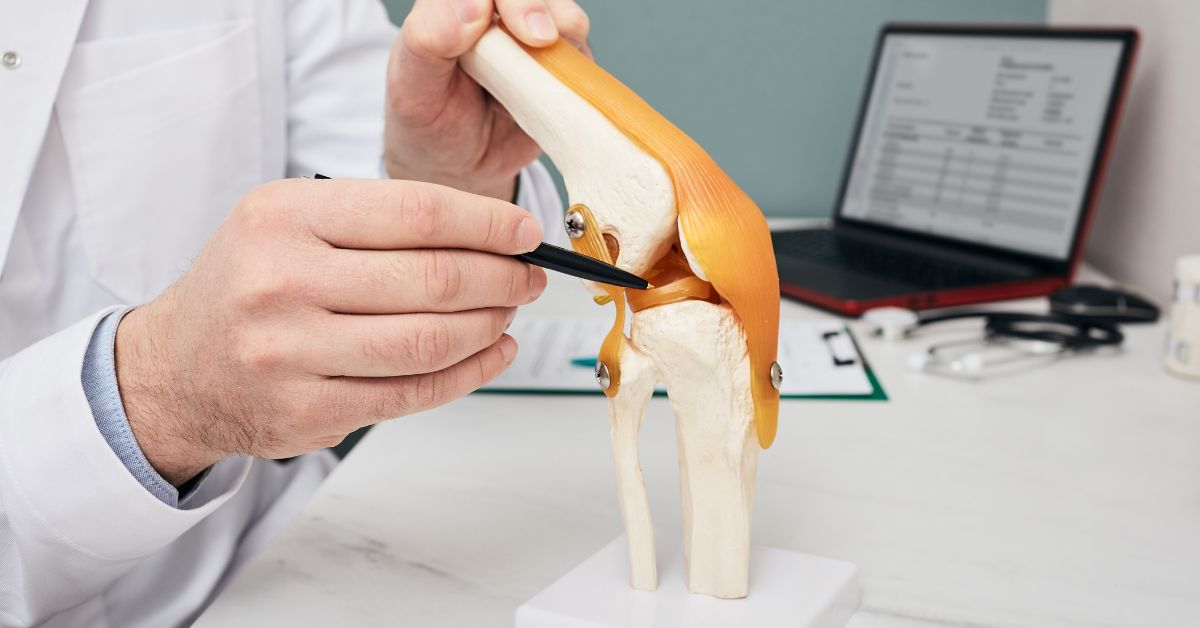
A meniscus tear is one of the most common knee injuries, affecting individuals of all ages and activity levels. Whether caused by sports injuries, accidents, or age-related degeneration, this condition can significantly impact mobility and quality of life. Understanding meniscus tear surgery, its benefits, and when to seek an orthopaedic consultation is crucial for making an informed decision about treatment.
Learn more: Bone & Orthopaedic Health >>
What Is a Meniscus Tear?
The meniscus is a C-shaped cartilage in the knee joint that acts as a cushion between the thigh bone and shinbone. A tear can occur due to sudden twisting, forceful impact, or gradual wear and tear over time. Symptoms of a meniscus tear include knee pain, swelling, stiffness, and difficulty bending or straightening the leg.
When Is Meniscus Tear Surgery Necessary?
Meniscus tear surgery is often recommended when non-surgical treatments such as rest, physiotherapy, and pain management fail to provide relief. Surgery may be necessary if:
- The tear causes persistent pain and swelling.
- The knee locks or gives way frequently.
- There is a limited range of motion that affects daily activities.
- The tear is complex or involves a large portion of the meniscus.
Types of Meniscus Tear Surgery
There are two main types of meniscus tear surgery, depending on the severity and location of the tear:
1. Meniscus Repair
This procedure involves stitching the torn pieces of cartilage back together to allow natural healing. It is often performed for younger patients or when the tear occurs in the outer region of the meniscus, where there is better blood supply.
2. Partial Meniscectomy
In cases where repair is not possible, the damaged portion of the meniscus is removed to restore normal knee function. This is a minimally invasive procedure with a relatively quick recovery time.
3. Total Meniscectomy
In rare cases, the entire meniscus may need to be removed if the damage is extensive. However, this procedure is generally avoided due to the increased risk of arthritis and long-term knee problems.
How Should I Prepare for Meniscus Surgery?
Preparation for meniscus tear surgery involves several important steps to ensure a smooth procedure and recovery.
Pre-Surgical Tests
Before surgery, your orthopaedic specialist may recommend the following tests:
- Magnetic Resonance Imaging (MRI): To assess the severity and location of the tear.
- X-rays: To rule out any additional knee conditions, such as arthritis.
- Blood Tests: To check overall health and detect any underlying conditions.
- Electrocardiogram (ECG): To ensure your heart is healthy for anaesthesia.
Pre-Surgical Instructions
- Avoid eating or drinking for a set period before the surgery.
- Inform your doctor about any medications you are taking, as some may need to be stopped temporarily.
- Arrange for someone to drive you home after the procedure.
What Happens During the Surgery?
Meniscus tear surgery is typically performed as an arthroscopic procedure, which is minimally invasive and involves small incisions around the knee.
Steps of the Procedure
- Anaesthesia: The patient receives either general or regional anaesthesia.
- Arthroscopic Access: A small camera (arthroscope) is inserted into the knee to provide a clear view of the meniscus.
- Surgical Repair or Removal: Depending on the severity, the surgeon will either stitch the torn meniscus, remove the damaged portion, or, in rare cases, remove the entire meniscus.
- Closure and Recovery: The incisions are closed, and the knee is bandaged. Patients are usually discharged on the same day.
Risks and Benefits of Meniscus Tear Surgery
Benefits
- Restores knee function and mobility.
- Reduces pain and swelling.
- Prevents further knee joint damage.
- Enhances overall quality of life and physical activity.
Risks
Meniscus tear surgery is generally safe and effective, but as with any surgical procedure, there are potential risks. Possible complications include:
- Infection at the surgical site.
- Blood clots in the leg.
- Nerve or blood vessel damage.
- Incomplete healing, requiring additional procedures.
- Stiffness or persistent knee pain.
Every patient has a different risk profile, which depends on age, overall health, and the complexity of the tear. It is important to discuss these risks with your surgeon to understand what to expect. For most individuals, the benefits of relieving knee pain and restoring function outweigh the potential risks.
Recovery and Rehabilitation After Meniscus Tear Surgery
Recovery varies depending on the type of surgery performed. Patients who undergo meniscus repair typically require a longer recovery period, including the use of crutches and physiotherapy. Those who have a partial meniscectomy often return to normal activities within a few weeks.
Rehabilitation is essential for strengthening the knee, restoring mobility, and preventing future injuries. A structured physiotherapy programme will help patients regain full function and return to sports or daily routines safely.
Why Consult an Orthopaedic Specialist?
If you suspect a meniscus tear, consulting an experienced orthopaedic doctor is the first step towards effective treatment. An orthopaedic specialist can accurately diagnose the condition using physical examinations and imaging tests such as MRI scans. They will recommend the most suitable treatment based on the severity of the tear and your lifestyle needs.
Schedule a Consultation with an Orthopaedic Specialist
If you are experiencing knee pain and suspect a meniscus tear, do not wait for symptoms to worsen. Contact us to schedule an appointment with a trusted orthopaedic specialist today.
Related Articles On Health365
- Bone & Orthopaedic Health – Do Not Let Mobility Issues Hold You Back
- Orthopaedic Care In Singapore: Upper Limbs
- Orthopaedic Care In Singapore: Lower Limbs
- Spine Disorders – Do Not Let Back Pain Disrupt Your Lifestyle
All content on this site is informative only and is not intended to be a substitute for professional medical advice, diagnosis, or treatment, and should never be relied upon for specific medical advice. If you are experiencing a medical emergency, call 995 immediately or go to the nearest Accident & Emergency department.
health365.sg is a member of Group 365Asia.