


Natural Looking Facial Rejuvenation – The Big Story
Facial ageing is a natural process that affects every individual differently. As time passes, the structural support of the face begins to shift, leading to a loss of volume in the cheeks, the appearance of jowls, and a softening of the jawline. While many seek to look younger, the modern priority has shifted away from simply “tightening” the face and towards restoring its natural, youthful proportions. This Big Story explores the spectrum of facial rejuvenation, with a focus on the revolutionary Deep Plane Facelift.
The Spectrum Of Facial Rejuvenation
When addressing facial ageing, there is no one-size-fits-all solution. The choice between non-surgical and surgical interventions depends on the degree of tissue laxity, your aesthetic goals, and your lifestyle.
Non-Surgical Options For Early Intervention
For individuals experiencing the early signs of ageing—such as fine lines or mild volume loss—non-surgical treatments can offer effective, temporary results. These options often involve minimal downtime and are popular for those not yet ready for surgery.
- Dermal Fillers: These injectables help to restore lost volume in areas like the cheeks or tear troughs, softening deep lines.
- Energy-Based Devices: High-Intensity Focused Ultrasound (HIFU) or Radiofrequency (RF) treatments can provide a modest lifting effect by stimulating collagen production within the skin.
- Botulinum Toxin: Used primarily to relax the muscles that cause dynamic wrinkles, such as crow’s feet or forehead lines.
While these treatments are excellent for maintenance, they cannot physically remove excess skin or reposition deeply descended facial fat pads.
When Are Surgical Options Necessary?
As facial ageing progresses, the skin and the underlying fibrous tissues (known as the SMAS) begin to sag more significantly. At this stage, non-surgical “liquid lifts” or energy treatments may yield diminishing returns or even result in an unnatural, “puffy” appearance if overused.
Surgical intervention may be considered when:
- Jowling Becomes Prominent: When the jawline loses its crisp definition due to sagging skin and fat.
- Mid-Face Descent: When the cheeks have flattened and migrated downwards, deepening the nasolabial folds.
- Neck Laxity: When “turkey neck” or significant banding occurs in the neck area that cannot be addressed by non-invasive means.
- Desire for Longevity: When a patient seeks a long-term solution rather than the frequent maintenance required by injectables.
Why The Deep Plane Facelift Is The Gold Standard
Amongst surgical techniques, the Deep Plane Facelift stands out for its ability to produce natural-looking results. Unlike traditional facelifts that pull the skin and the SMAS layer separately—often creating a “windblown” look—the deep plane approach treats the face as a single, multi-layered unit.
Restoring Anatomy, Not Just Stretching Skin
In a Deep Plane Facelift, the surgeon enters a deeper anatomical layer beneath the SMAS. By releasing the ligaments that tether the deep tissues, the surgeon can vertically reposition the entire composite of muscle and fat. Because the tension is placed on these deep structural layers rather than the skin itself, the surface of the face remains tension-free, soft, and mobile. This technique is particularly effective at elevating the mid-face and malar fat pads, which are often left unaddressed by more superficial surgical methods.
Is A Facelift Right For You?
The transition from non-surgical maintenance to surgical rejuvenation is a personal journey. A Deep Plane Facelift is often most suitable for individuals who wish to address structural sagging while maintaining their natural facial identity. A thorough consultation with a qualified professional is necessary to determine if your health status and aesthetic goals align with this procedure.
Seeking A Deep Plane Facelift: Singapore Vs South Korea
For residents in Singapore, the decision of where to undergo a Deep Plane Facelift often involves a comparison between local expertise and the renowned plastic surgery hub of South Korea. Both destinations offer high-tier medical care, but they cater to different patient priorities regarding cost, cultural aesthetics, and the continuity of care.
The Appeal Of South Korea For Facial Surgery
South Korea is globally recognised as a centre for aesthetic innovation, particularly in facial procedures. Many Singaporean patients consider travelling to Seoul for several reasons:
- Specialised Volume: Due to the high volume of surgeries performed in Korea, many surgeons specialise exclusively in facial contouring and advanced lifting techniques. This extensive experience with Asian facial anatomy can be a significant draw for those seeking a Deep Plane Facelift.
- Cost Competitiveness: Generally, surgical fees in South Korea can be more competitive than in Singapore. This is often attributed to lower operating costs and a highly saturated market, which can make advanced procedures more accessible.
- Holistic Recovery Packages: Many Korean clinics offer comprehensive “medical tourism” packages that include airport transfers, translation services, and intensive post-operative skincare treatments designed to reduce swelling and speed up recovery.
The Advantages Of Undergoing Surgery In Singapore
While Korea offers a unique allure, remaining in Singapore for a Deep Plane Facelift provides several practical and safety-related benefits that are highly valued under Ministry of Health (MOH) standards:
- Strict Regulatory Oversight: Singapore’s healthcare system is governed by some of the most stringent medical regulations in the world. Patients have the assurance that their surgeon is accredited by the Singapore Medical Council (SMC) and that the facility meets rigorous safety and hygiene benchmarks.
- Continuity of Care: Recovery from a Deep Plane Facelift is a long-term process. Having your surgeon in the same city allows for frequent, face-to-face follow-up appointments. If any minor concerns or complications arise weeks after the surgery, they can be addressed immediately by the original medical team who knows your case history.
- Clear Communication: Undergoing a major procedure in your home country eliminates the risk of “lost in translation” moments. Direct communication ensures that aesthetic goals and medical instructions are perfectly understood without the need for an intermediary.
Ultimately, whether you choose the specialised landscape of South Korea or the regulated safety of Singapore, the most critical factor is the skill of the surgeon and your comfort with the proposed treatment plan. We recommend a thorough consultation to discuss which environment best suits your recovery needs and aesthetic expectations.
Learn More About Deep Plane Facelift
Comment: The row below to be moved to article for healthcare professionals article
Find A Doctor
Verified Healthcare Professionals
We connect you with a network of qualified and experienced doctors who specialise in chronic health conditions, health screening, and longevity.
Trusted Information Source
We pride ourselves on providing accurate, up-to-date, and evidence-based information about each disease, its prevention, and treatment.
Privacy and Security
Your health information and personal data are paramount to us. We will protect your privacy throughout the booking process and beyond.
Convenience at Your Fingertips
Our user-friendly platform allows you to find and book appointments 24/7 from the comfort of your home.
Our Preferred Doctors You Can Consider
Korea
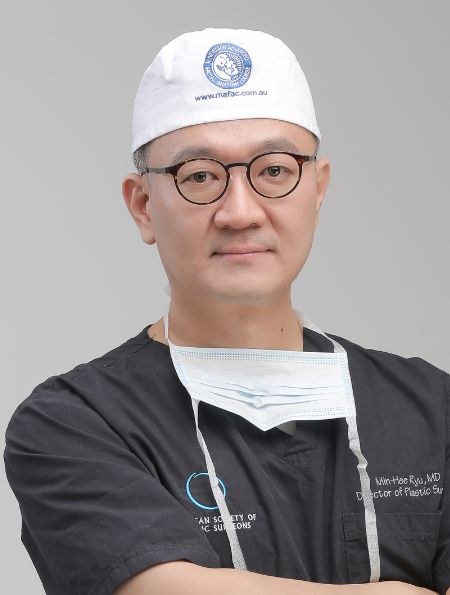
- Dr Minhee Ryu is a highly regarded specialist in facial rejuvenation who is noted for his meticulous approach to the Deep Plane Facelift, focusing on restoring structural harmony rather than merely tightening the skin. Patients often seek his expertise to achieve a naturally refreshed appearance that avoids the artificial look sometimes associated with traditional surgical techniques.
In my Deep Plane Facelift technique, the importance of releasing the retaining ligaments in the sub-SMAS plane is emphasized. Sagging that is exhibited on the anterior part of the face is effectively lifted and safely addressed, providing a natural, elegant and long-lasting result. This advanced technique offers minimal skin tension thereby reducing visible scarring and retaining a natural ear shape.A successful facelift is what makes YOU look like YOU, but more refreshed and elevated.
Dr Minhee Ryu


Book An Appointment
Take a proactive step for your health and peace of mind today. If you wish to get an appointment with a specialist, our team is here to assist.
Financials
Related Content
FAQs On Natural Looking Facial Rejuvenation
The key to a natural result lies in addressing the deeper structures of the face rather than simply pulling the skin. Modern techniques, such as the Deep Plane Facelift, focus on repositioning descended muscle and fat units to their original, youthful positions. By avoiding excessive tension on the skin, the face retains its natural mobility and soft contours, preventing the “windblown” or “startled” appearance often associated with older surgical methods.
A traditional facelift typically involves tightening the skin and the superficial muscle layer (SMAS) separately. In contrast, a Deep Plane Facelift enters a deeper anatomical space beneath the SMAS layer to release the ligaments that tether facial tissues. This allows the surgeon to lift the entire facial composite as one thick, healthy unit. This method is particularly effective for restoring volume to the mid-face and cheeks, which traditional lifts may not address adequately.
Non-surgical treatments like dermal fillers or energy-based skin tightening are excellent for early maintenance. However, surgery may be necessary when there is significant skin laxity, heavy jowling, or a noticeable “sagging” of the facial structure that fillers can no longer camouflage. If you find that non-surgical options are making your face look “puffy” or “unnatural” rather than lifted, it may be time to consider a surgical consultation for more definitive structural rejuvenation.
Both destinations offer high-quality medical expertise, but the choice depends on your personal priorities. South Korea is renowned for its high volume of aesthetic cases and specialized “V-line” contouring techniques, which appeal to those looking for specific East Asian aesthetic trends. Singapore, however, offers the security of strict Ministry Of Health (MOH) regulations and the immense practical benefit of local follow-up care. Undergoing surgery in Singapore ensures that your surgeon is easily accessible during the critical months of the recovery process.
While South Korea has many world-class surgeons, medical tourism carries unique risks. There is an information gap regarding the long-term management of complications once a patient returns to Singapore; local doctors may not have access to the foreign surgical records or the specific techniques used. Additionally, the physical strain of long-haul travel shortly after major surgery can increase the risk of deep vein thrombosis or swelling. Patients should also consider the potential for communication barriers and the difficulty of returning to Korea for revisions if the initial result does not meet expectations.
Additional Resources
- Dr. Min-Hee Ryu Deep Plane Facelift | RNWood
- The effects and mechanism of collagen peptide and elastin peptide on skin aging | Science Direct
- Why your face ages and what you can do | Harvard Health
- The Facial Aging Process From the “Inside Out” | National Library of Medicine
.