

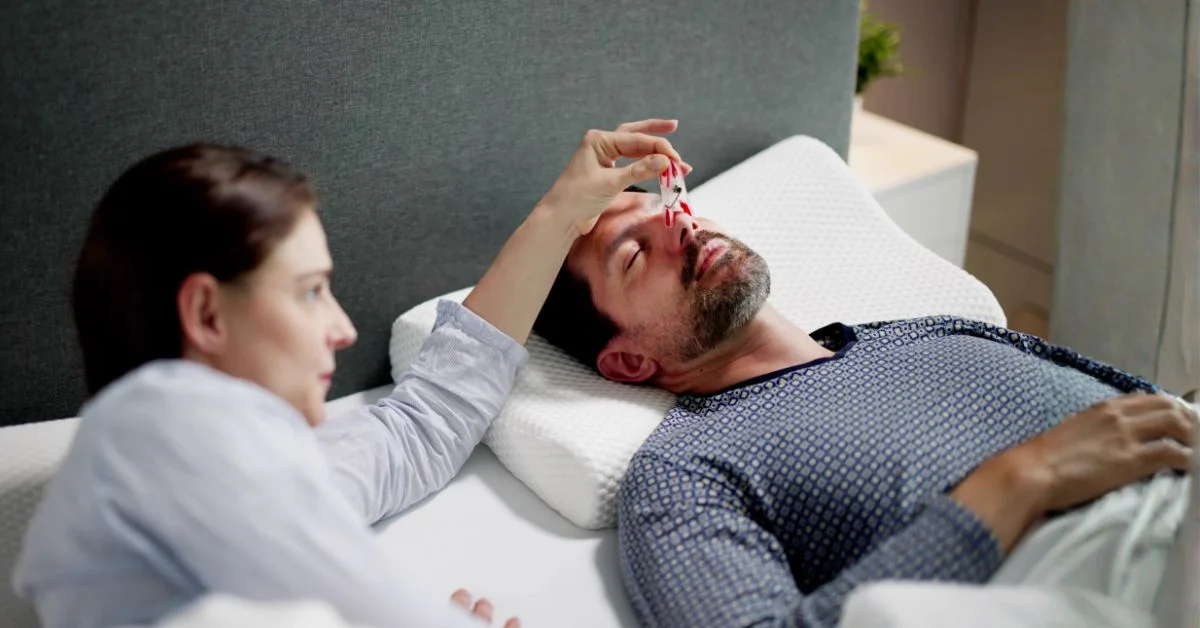
Obstructive Sleep Apnea (OSA) is one of the most common yet misunderstood sleep disorders affecting adults and children alike. Despite being highly treatable, many people delay diagnosis and treatment due to persistent misconceptions. These obstructive sleep apnea myths can prevent people from seeking professional help, leading to serious long-term health risks. This article will separate fact from fiction, debunking five of the most common myths about OSA and highlighting the truths every patient should know.
Concerned About Sleep Apnea? Consult an ENT specialist
Contact UsBack To: Sleep Apnea Can Double Cardiovascular Risks Big Story
Myth 1: Snoring Always Means You Have Sleep Apnea
Truth: Not Everyone Who Snores Has Obstructive Sleep Apnea
Snoring is one of the most recognisable symptoms of OSA, but it doesn’t automatically mean you have it. While nearly all people with OSA snore, many habitual snorers do not have the condition. Snoring occurs when airflow causes vibration in the tissues of the throat, often due to nasal congestion, alcohol consumption, or sleep position.
In obstructive sleep apnea, however, snoring is accompanied by pauses in breathing—sometimes lasting 10 seconds or more—followed by choking or gasping sounds. If you or your partner notice these interruptions, it’s essential to consult an ENT specialist or sleep physician. A simple overnight sleep study can determine whether snoring is benign or part of a more serious disorder.
Myth 2: Only Overweight People Get Obstructive Sleep Apnea
Truth: OSA Can Affect Anyone, Regardless Of Weight Or Age
One of the most widespread obstructive sleep apnea myths is that it only affects overweight or obese individuals. While excess weight can increase the risk—since fatty tissue around the airway may contribute to obstruction—OSA can also occur in people who are thin, fit, or young.
Structural factors such as a narrow airway, enlarged tonsils, or a deviated nasal septum can predispose even lean individuals to OSA. Moreover, hormonal changes, genetics, and certain anatomical differences in the jaw or palate can all play a role.
Children with enlarged tonsils or adenoids and adults with smaller airways may also develop the condition. An ENT doctor can assess these structural causes and recommend the most effective treatment options.
Myth 3: Sleep Apnea Is Just An Annoying Snoring Problem
Truth: Untreated OSA Can Have Serious Health Consequences
Many people dismiss OSA as a mere inconvenience for their bed partner, but untreated sleep apnea can lead to significant health problems. During an apnea event, oxygen levels in the blood drop, placing stress on the cardiovascular system. Over time, this can increase the risk of high blood pressure, heart attack, stroke, and even type 2 diabetes.
Moreover, OSA disrupts the natural sleep cycle, leading to chronic fatigue, poor concentration, and daytime drowsiness. This not only impacts productivity but also raises the risk of accidents at work or on the road.
The truth is, OSA is a medical condition that requires diagnosis and treatment—not something to “put up with.” Early intervention by an ENT or sleep specialist can significantly reduce health risks and improve quality of life.
Myth 4: CPAP Machines Are The Only Treatment Option
Truth: Multiple Treatment Options Exist For Obstructive Sleep Apnea
Continuous Positive Airway Pressure (CPAP) therapy is the most commonly prescribed treatment for moderate to severe OSA, and it remains highly effective. However, it is far from the only option. Many patients can benefit from alternative treatments depending on the severity and underlying cause of their condition.
For mild cases, lifestyle modifications such as losing weight, avoiding alcohol before bedtime, and changing sleep positions may be sufficient. Oral appliances designed to reposition the jaw or tongue can also help keep the airway open.
ENT specialists may recommend minimally invasive surgical procedures to remove or reshape tissue in the throat or correct structural issues like a deviated septum. The key is personalised treatment—an ENT doctor can tailor solutions that align with each patient’s unique anatomy and lifestyle.
Myth 5: You Can’t Do Anything About Sleep Apnea Without Surgery
Truth: Non-Surgical Treatments Can Be Highly Effective
Another common misconception is that surgery is the only cure for obstructive sleep apnea. While surgery can be beneficial in certain cases—especially when anatomical abnormalities are involved—many people achieve excellent results with non-surgical methods.
Custom oral appliances, weight management, positional therapy, and CPAP remain the first-line approaches for most patients. These methods are safe, non-invasive, and often yield immediate improvement in symptoms.
If surgery is required, modern ENT procedures are minimally invasive, offering faster recovery and lasting results. The most important step is getting properly evaluated so the treatment can be matched to the cause of the obstruction.
Find A Doctor (ENT Specialist) For Sleep Apnea Treatment




Understanding The Importance Of Early Diagnosis
Recognising the signs of obstructive sleep apnea early is crucial. Common warning symptoms include:
- Loud, persistent snoring
- Gasping or choking during sleep
- Morning headaches
- Excessive daytime tiredness
- Difficulty concentrating
Ignoring these signs can lead to long-term complications, but with proper diagnosis and treatment, OSA can be managed effectively. ENT specialists play a central role in identifying airway obstructions and offering targeted treatment plans that improve both sleep and overall health.
Do Not Let Myths Stop You From Seeking Help
When it comes to obstructive sleep apnea myths, misinformation can be dangerous. Believing that only overweight people are affected, that snoring is harmless, or that surgery is unavoidable can delay vital treatment. The truth is, OSA is a common and treatable condition that requires professional evaluation.
If you suspect you or someone you know may have obstructive sleep apnea, consult an ENT specialist today. With proper assessment and personalised care, you can restore restful sleep, protect your long-term health, and wake up to a better quality of life.
Contact UsBack To: Sleep Apnea Can Double Cardiovascular Risks Big Story
All content on this site is informative only and is not intended to be a substitute for professional medical advice, diagnosis, or treatment, and should never be relied upon for specific medical advice. If you are experiencing a medical emergency, call 995 immediately or go to the nearest Accident & Emergency department.
health365.sg is a member of Group 365Asia.