

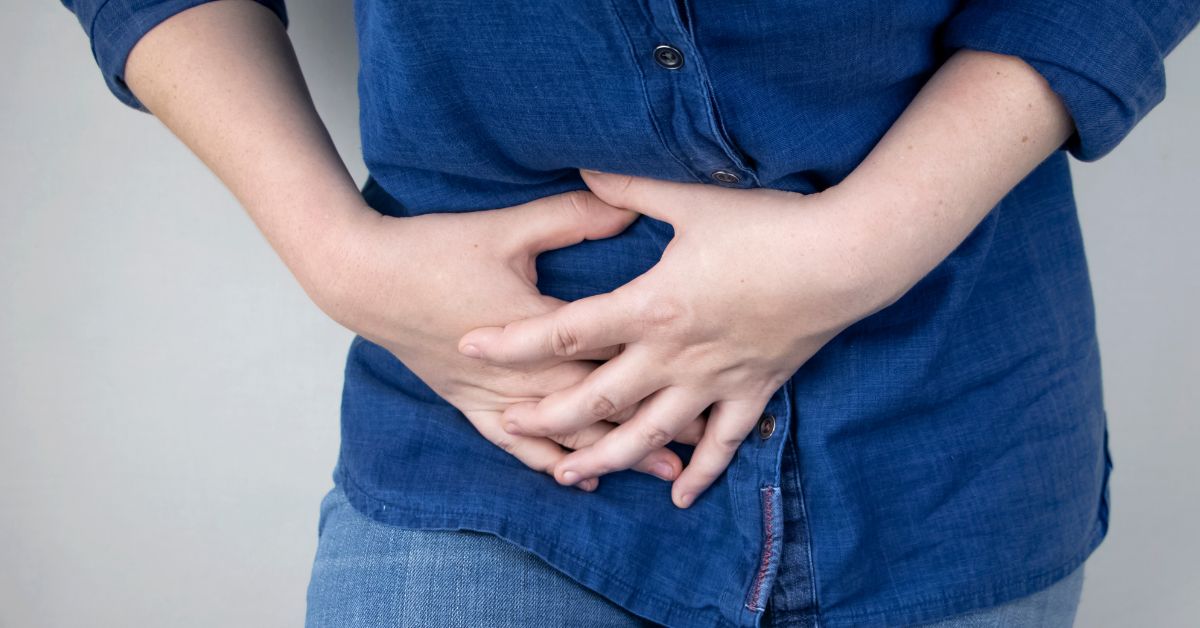
Pelvic pain is a common yet concerning condition that affects many women in Singapore. It can range from mild discomfort to severe, debilitating pain that interferes with daily activities. While some cases may be temporary and harmless, persistent pelvic pain may indicate an underlying medical condition that requires attention.
Learn more: Women’s Health >>
What is Pelvic Pain?
It refers to discomfort felt in the lower abdomen and pelvic region. It can be acute (sudden and short-term) or chronic (lasting for six months or longer). The pain may be sharp, dull, cramping, or a feeling of pressure in the pelvis. It may also be constant or intermittent, depending on the underlying cause.
Common Causes
1. Gynaecological Conditions
For women, it is often linked to reproductive health issues, such as:
- Endometriosis – A condition where tissue similar to the lining of the uterus grows outside the womb, leading to pain and inflammation.
- Ovarian Cysts – Fluid-filled sacs on the ovaries that may cause discomfort, especially if they rupture.
- Pelvic Inflammatory Disease (PID) – An infection of the female reproductive organs that may result in chronic pain if left untreated.
- Fibroids – Non-cancerous growths in the uterus that may cause pain, pressure, and heavy menstrual bleeding.
2. Urinary and Digestive Conditions
It can also originate from issues related to the bladder, intestines, or other organs in the lower abdomen, including:
- Urinary Tract Infections (UTIs) – Infections that cause burning pain, frequent urination, and discomfort in the pelvic region.
- Irritable Bowel Syndrome (IBS) – A digestive disorder that can cause cramping, bloating, and pelvic pain.
- Bladder Infections and Interstitial Cystitis – Conditions affecting the bladder that lead to chronic pain and discomfort.
3. Musculoskeletal and Nerve Conditions
Some cases are linked to nerve-related or musculoskeletal issues, such as:
- Pelvic Floor Dysfunction – Weak or tight pelvic floor muscles that cause pain and urinary problems.
- Nerve Damage or Compression – Conditions like pudendal neuralgia, which affect nerves in the pelvic region, resulting in sharp or burning pain.
When Should You See a Doctor?
While occasional pelvic pain may not be a cause for concern, it is important to seek medical attention if you experience:
- Severe or persistent pain that lasts for several days.
- Pain that worsens over time.
- Pain accompanied by abnormal bleeding, fever, nausea, or vomiting.
- Difficulty urinating or having bowel movements.
- Pain during intercourse that affects your quality of life.
Early diagnosis and treatment can help prevent complications and improve overall well-being.
Treatment Options
The treatment depends on its underlying cause. Some common options include:
- Medications – Pain relievers, antibiotics (for infections), or hormone therapy (for conditions like endometriosis).
- Physical Therapy – Specialised exercises to strengthen the pelvic floor muscles and reduce pain.
- Minimally Invasive Procedures – Laparoscopic surgery may be necessary for conditions like endometriosis or ovarian cysts.
- Lifestyle Changes – Dietary adjustments, stress management, and regular exercise can help manage symptoms.
Contact Us For An Appointment
If you are experiencing pelvic pain and need professional advice, contact us for an introduction to a trusted gynaecologist in Singapore.
Related Articles On Health365
- Women’s Health – Empowering Women To Stay Healthy
- Fertility – What Factors It And How To Increase Your Chances
- Gynecology – Women’s Health Medical Conditions In Singapore
- Pregnancy – Prenatal And Postnatal Care In Singapore
All content on this site is informative only and is not intended to be a substitute for professional medical advice, diagnosis, or treatment, and should never be relied upon for specific medical advice. If you are experiencing a medical emergency, call 995 immediately or go to the nearest Accident & Emergency department.
health365.sg is a member of Group 365Asia.