

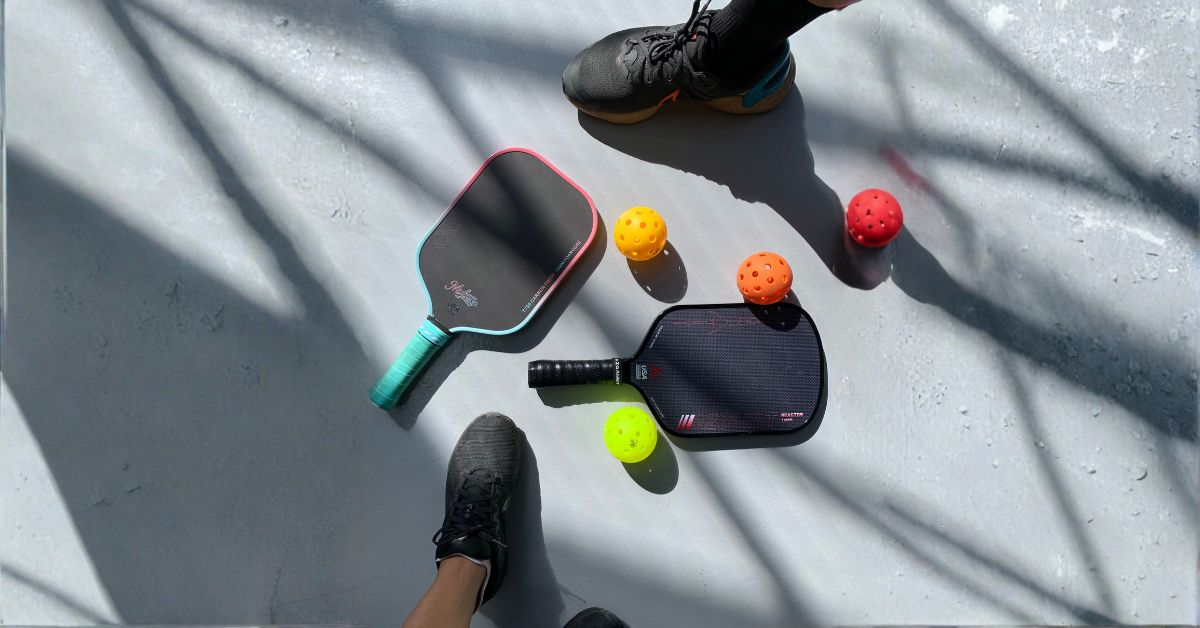
Pickleball has seen a meteoric rise in popularity across Singapore, attracting players of all ages due to its social nature and accessible learning curve. However, the physical demands of the sport including rapid lateral shifts, sudden pivots, and explosive lunges, place significant stress on the lower limbs. While the game is often perceived as “gentler” than tennis, the intensity of movement on a hard court surface can frequently lead to acute or overuse injuries. To remain active on the court, understanding the role of specialised pickleball equipment is essential for injury risk reduction.
Contact MedicalTravel.asiaBack To: Orthopaedic Care In Singapore: Lower Limbs
Common Lower Limb Injuries In Pickleball
The mechanics of pickleball require constant stopping and starting. This repetitive high-impact loading, combined with the quick changes in direction needed to reach a “dink” or a lob, can lead to several common orthopaedic issues in the legs:
- Ankle Sprains: These are perhaps the most common acute injuries. A sudden lateral move can cause the ankle to roll, stretching or tearing the ligaments on the outside of the joint.
- Achilles Tendonitis and Ruptures: The explosive “push-off” motion required to sprint toward the net puts immense strain on the Achilles tendon. Over time, this can lead to chronic inflammation (tendonitis) or, in severe cases, a complete rupture.
- Knee Ligament and Meniscus Tears: Pivoting while the foot is firmly planted can create a twisting force that the knee cannot always absorb, potentially leading to tears in the meniscus (the knee’s shock absorber) or ligaments like the ACL or MCL.
- Plantar Fasciitis: The repetitive pounding on hard court surfaces can irritate the thick band of tissue running across the bottom of the foot, leading to sharp heel pain.
Essential Pickleball Equipment For Injury Prevention
The most effective way to protect your lower limbs is to move away from general-purpose gear and invest in sport-specific pickleball equipment designed for court-based biomechanics.
Court Shoes Versus Running Shoes
The most critical piece of pickleball equipment is your footwear. Many beginners make the mistake of wearing running shoes to the court. Running shoes are designed for forward motion and have thick, soft midsoles with “flared” soles for heel-to-toe cushioning. On a pickleball court, these high-traction, forward-oriented soles can catch on the surface during a lateral move, causing the ankle to roll over the soft edge.
Pickleball-specific shoes (or tennis court shoes) feature:
- Lateral Support: Reinforced outsoles and stiffer uppers that prevent the foot from sliding off the footbed during side-to-side movements.
- Pivot Points: Smoother circles on the sole that allow for easier rotation, reducing the “torque” or twisting force transmitted to the knee.
- Low Profile: A lower centre of gravity that provides better stability and “court feel,” significantly reducing the risk of an inversion ankle sprain.
Orthotic Insoles And Compression
For players with flat feet or high arches, standard shoe inserts may not provide enough support to prevent overuse injuries like plantar fasciitis or shin splints. Medical-grade orthotic insoles can be added to your pickleball equipment list to improve foot alignment and distribute weight more evenly. Additionally, calf compression sleeves can aid in blood flow and provide a sense of stability for those prone to minor calf strains or Achilles discomfort.
Beyond Equipment: Active Warm-Ups For Injury Mitigation
While having the right pickleball equipment is vital, preparing the body for the physiological demands of the game is equally important. Static stretching such as holding a stretch while still is often less effective before a match than an “active” or dynamic warm-up.
An active warm-up involves movements that mimic the actions of the sport to increase blood flow and improve joint range of motion. Examples include:
- Leg Swings and Lateral Lunges: These prepare the hips and adductors for side-to-side court coverage.
- High Knees and Butt Kicks: These activate the hamstrings and quadriceps for explosive sprinting.
- Ankle Circles and Hops: These prepare the small stabilising muscles around the ankle joint for sudden pivots.
Engaging in ten minutes of dynamic movement before picking up the paddle ensures that the muscles are pliable and the nervous system is primed for fast reaction times.
Immediate Action: What To Do If An Injury Occurs
If an injury occurs on the court, the immediate priority is to limit further damage. The standard medical protocol is the R.I.C.E. method:
- Rest: Cease play immediately. Continuing to move on a damaged joint can turn a minor strain into a significant tear.
- Ice: Apply cold packs for 15 to 20 minutes every few hours to reduce swelling and numb the pain.
- Compression: Use an elastic bandage to provide support and minimise internal bleeding or fluid build-up.
- Elevation: Keep the injured limb raised above the level of the heart to encourage fluid drainage.
When To See An Orthopaedic Specialist
Despite using the correct pickleball equipment and practicing proper warm-up techniques, injuries can still occur. You should consult an orthopaedic specialist if you experience:
- Inability to Bear Weight: If you cannot walk or put weight on the leg immediately after a fall or a “pop” sensation.
- Significant Swelling or Deformity: Rapid swelling around the ankle or knee often indicates an internal tear or fracture.
- Instability: A feeling that your knee or ankle is “giving way” during normal movement.
- Persistent Pain: Any pain that does not improve after 48 to 72 hours of rest and home care.
Early diagnosis by an orthopaedic surgeon is crucial. Using advanced diagnostic tools such as MRI or high-resolution ultrasound, a specialist can identify the exact grade of a tear or the presence of a stress fracture, ensuring you do not return to the court too early.
The Role Of Exercise Medicine In Safe Play
For many Singaporeans, the desire to start playing pickleball is high, but they may be held back by underlying health conditions like hypertension, heart disease, or early-stage osteoarthritis. In these cases, it is highly beneficial to consult a specialist qualified in exercisemedicine.
Exercise medicine is a clinical discipline where doctors prescribe physical activity as a form of medical treatment. Unlike a general trainer, an exercise medicine specialist is a medical doctor who understands how to balance the demands of a high-intensity sport with your specific medical profile. They can help you design a “pre-habilitation” routine—focusing on the exact strengthening and balance exercises needed to handle the sport—while ensuring your cardiovascular system is safely monitored.
Preferred Doctor For Exercise Medicine



[SG] Featured Doctor- Dr Juanda Leo Hartono
Taking A Proactive Approach To Court Safety
Pickleball is an excellent way to maintain cardiovascular and social health, but it demands respect for its physical requirements. By investing in the right pickleball equipment—specifically dedicated court shoes—and incorporating active warm-ups, you can significantly reduce your time on the sidelines. If you experience persistent pain or are uncertain about starting the sport due to health concerns, seeking professional medical advice is the most reliable way to ensure you stay active and injury-free.
Contact MedicalTravel.asiaBack To: Orthopaedic Care In Singapore: Lower Limbs
All content on this site is informative only and is not intended to be a substitute for professional medical advice, diagnosis, or treatment, and should never be relied upon for specific medical advice. If you are experiencing a medical emergency, call 995 immediately or go to the nearest Accident & Emergency department.
health365.sg is a member of 365Asia.