



Rectal polyps are growths that develop on the inner lining of the rectum. While many polyps are harmless, some can progress into cancer over time if left untreated. Early detection and removal are therefore essential. In Singapore, one of the most advanced methods of removing complex rectal polyps is Transanal Minimally Invasive Surgery (TAMIS). This article explains what rectal polyps are, their symptoms, when surgery is needed, and why TAMIS has become a preferred option for suitable patients.
Get An Appointment To See An Colorectal Surgeon
Contact UsBack To: Anorectal Conditions Main Page
What Are Rectal Polyps?
Rectal polyps are abnormal tissue growths arising from the mucosal lining of the rectum. They can vary in size and shape, ranging from small, flat lesions to larger, stalk-like growths. Most polyps are benign, but certain types, such as adenomas, have the potential to turn cancerous if not removed.
What Are The Symptoms Of Rectal Polyps?
Small polyps often cause no symptoms and are detected only during routine colonoscopy. However, larger polyps may present with:
- Rectal bleeding or blood in stools
- Mucus discharge
- A change in bowel habits, such as constipation or diarrhoea
- A sensation of incomplete bowel emptying
- In rare cases, prolapse of the polyp through the anus
Because symptoms can overlap with other anorectal conditions, professional assessment is vital.
When Does Surgery Becomes Necessary?
Not all polyps require surgery. Small and low-risk polyps can often be removed during colonoscopy. However, surgery may be necessary when:
- The polyp is large or occupies a significant portion of the rectal wall
- The polyp cannot be removed safely by standard endoscopic methods
- Biopsy shows advanced dysplasia (pre-cancerous changes) or early malignant transformation
- The polyp is located in a challenging area of the rectum that limits endoscopic removal
In these cases, Transanal Minimally Invasive Surgery (TAMIS) offers an effective and less invasive alternative to radical rectal resection.
What Is Transanal Minimally Invasive Surgery (TAMIS)?
TAMIS is a surgical technique developed to remove large or complex rectal polyps through the anus, avoiding the need for major abdominal surgery. It was first introduced in the last decade and has since become widely adopted in Singapore for selected rectal lesions.
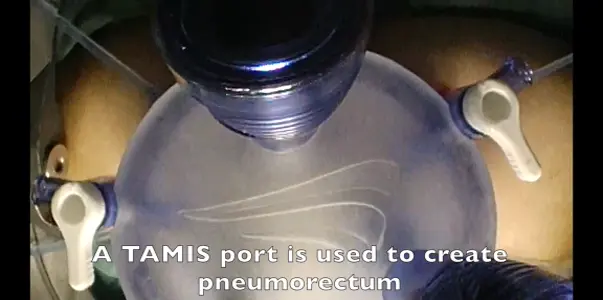
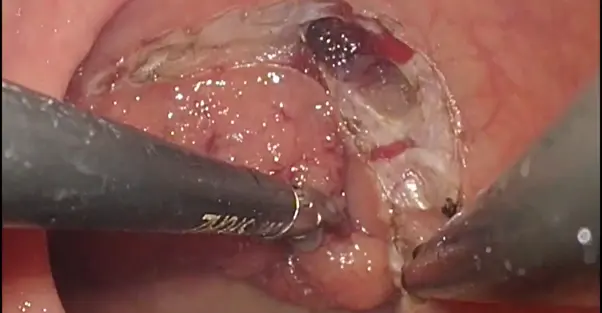
The procedure uses a specialised access port (such as the GelPOINT Path) inserted into the anus, allowing the surgeon to create a working space within the rectum. Carbon dioxide is used to gently inflate the rectum (a process known as “pneumorectum”), which provides clear visibility and room for surgical instruments. The surgeon then uses laparoscopic tools to carefully excise the polyp and close the wound with precision.
Advantages Of TAMIS For Rectal Polyps
Compared to traditional open or radical rectal surgery, TAMIS offers several key benefits:
- Minimally Invasive – Performed transanally without large abdominal incisions, leading to less trauma.
- Lower Morbidity – Associated with fewer complications than radical resections.
- Quicker Recovery – Many patients are discharged within one to two days after surgery.
- Better Functional Outcomes – Studies have shown improved bowel, bladder, and sexual function compared to conventional surgery.
- Oncological Safety – For benign and early malignant polyps, TAMIS provides complete excision with clear margins, reducing the risk of recurrence.
- Versatility – Can be applied to polyps occupying even more than 30% of the rectal circumference, previously considered difficult to manage with local excision.
In Singapore, TAMIS is performed in specialist centres with trained colorectal surgeons, making it an accessible option for patients who qualify.
Recovery After TAMIS
Recovery is generally faster than with open surgery. Patients may experience mild discomfort, but pain is usually manageable with oral medications. Most return to normal activity within one to two weeks. Follow-up appointments are important to ensure proper healing and to monitor for recurrence of polyps.
Our Preferred Doctor (Colorectal Surgeon) For TAMIS Rectal Polyp Procedure


Dr Chong Choon Seng 张峻诚医生

[SG] Featured Doctor- Dr Kevin Koo
TAMIS Case Study
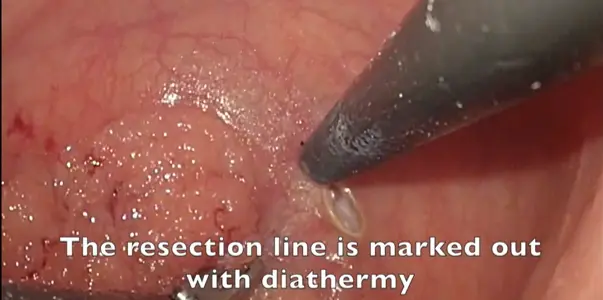
A 48-year-old woman had a positive fecal immunochemical test. Endoscopy revealed the presence of a 3-cm rectal lesion 10 cm above the anal verge, occupying
approximately 40% rectal circumference. Traditionally, TAMIS has been performed for rectal lesions less than 30% of bowel circumference. In this case, TAMIS was successfully carried out and the lesion completely removed. The patient recovered well and was discharged the following day.




Importance Of Specialist Evaluation
Not all patients with rectal polyps are candidates for TAMIS. The decision depends on factors such as the size, location, and pathology of the polyp, as well as the patient’s overall health. A consultation with an experienced anorectal or colorectal surgeon in Singapore is essential to determine the most suitable treatment option.
Seek Early Evaluation For Rectal Polyps
Rectal polyps are common and often silent, but some carry a risk of progression to cancer if left untreated. While many can be removed during colonoscopy, larger or complex polyps may require advanced surgical techniques. Transanal Minimally Invasive Surgery (TAMIS) has emerged as a safe, effective, and minimally invasive option for selected patients, offering faster recovery and excellent outcomes.
If you have symptoms such as rectal bleeding, changes in bowel habits, or if you have been diagnosed with rectal polyps, it is advisable to consult an anorectal surgeon for further evaluation. Early intervention not only relieves symptoms but also reduces the long-term risk of colorectal cancer.
Contact Us
This medical content has been reviewed by Dr Chong Choon Seng a highly experienced colorectal surgeon in Singapore known for his expertise in minimally invasive and robotic techniques for colorectal cancer, polyps, and complex anorectal conditions.
Preferred Doctors: Dr Chong Choon Seng (General Surgeon – Colorectal)
Back To: Anorectal Conditions Main Page
All content on this site is informative only and is not intended to be a substitute for professional medical advice, diagnosis, or treatment, and should never be relied upon for specific medical advice. If you are experiencing a medical emergency, call 995 immediately or go to the nearest Accident & Emergency department.
health365.sg is a member of Group 365Asia.