


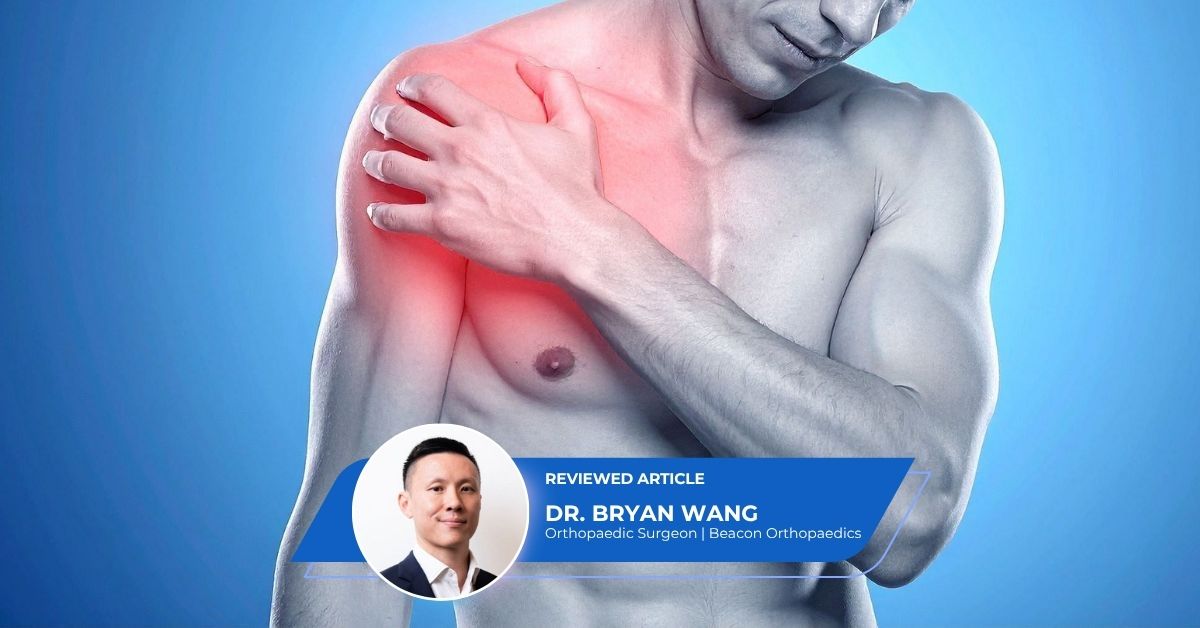
Shoulder pain can affect people of all ages and fitness levels. Whether it arises from overuse, poor posture, or injury, shoulder pain can significantly interfere with daily activities such as lifting, dressing, or even sleeping comfortably. Many cases of shoulder pain are related to weaknesses or imbalances in a group of muscles and tendons that stabilise your shoulder joint called the rotator cuff. Strengthening these muscles through specific exercises may help relieve discomfort, improve mobility, and prevent future injuries.
However, not all shoulder pain should be treated with exercise alone. It is essential to understand the underlying cause and recognise when it is time to seek medical attention from an orthopaedic specialist.
Contact UsBack To: Orthopaedic Care In Singapore: Upper Limbs Main Page
Understanding The Causes Of Shoulder Pain
Shoulder pain can result from various factors, including:
- Rotator Cuff Tendinitis Or Rotator Cuff Tear: Repetitive overhead movements (such as swimming or painting) can inflame or tear the rotator cuff tendons, leading to pain and weakness.
- Shoulder Impingement: This occurs when tendons are compressed during shoulder movement, often due to poor posture or overuse.
- Bursitis: Inflammation of the fluid-filled sacs within the shoulder joint can cause swelling and tenderness.
- Arthritis: Age-related wear and tear may lead to shoulder osteoarthritis, resulting in stiffness and chronic pain.
- Frozen Shoulder: This condition causes stiffness and limited movement, often developing after prolonged immobilisation.
- Postural Strain: Sitting for long periods with rounded shoulders, such as when using a computer, can lead to muscular imbalances and shoulder discomfort.
While minor shoulder pain caused by muscular weakness or overuse can improve with strengthening exercises, other causes — such as tendon tears or arthritis — may require medical evaluation.
How Rotator Cuff Strengthening Exercises Can Help
The rotator cuff comprises four muscles: supraspinatus, infraspinatus, teres minor, and subscapularis. These work together to keep the shoulder stable and allow smooth arm movement. Strengthening them can:
- Reduce Pain: Stronger muscles provide better joint support, reducing stress on injured tissues.
- Improve Range Of Motion: Exercises can restore flexibility and make daily movements easier.
- Prevent Future Injury: Balanced muscle strength lowers the risk of strain during sports or work activities.
Regular rotator cuff exercises can be especially beneficial for those with mild shoulder discomfort, early-stage tendinitis, or poor posture.
When You Should Not Attempt Rotator Cuff Exercises
There are situations where self-directed exercise may worsen the condition. Avoid doing these exercises if you experience:
- Severe, Sharp, Or Sudden Pain: This could indicate a tear or acute injury requiring medical attention.
- Swelling Or Redness: Signs of inflammation or infection should not be ignored.
- Limited Mobility Or Numbness: If you cannot lift your arm or feel tingling down your arm, stop exercising and consult a doctor immediately.
- Post-Surgical Recovery: Exercises must only be done under a physiotherapist’s supervision after shoulder surgery.
If your pain persists for more than a few weeks despite rest and exercise, or if it worsens over time, it is advisable to consult an orthopaedic specialist.
When To Consult An Orthopaedic Specialist
Even if you have started doing exercises, you should see a specialist when:
- Pain Persists Beyond Two Weeks — despite rest and gentle exercise.
- You Experience Weakness — making it difficult to lift or rotate the arm.
- There Is A Suspected Tear Or Impingement — which may require imaging such as MRI or ultrasound.
- You Have Night Pain — especially if it interrupts sleep frequently.
An orthopaedic doctor can assess the shoulder through examination and imaging, then recommend tailored physiotherapy, medication, or surgical treatment.
What Sort Of Rotator Cuff Exercises Should You Be Looking For?
If you are experiencing mild shoulder discomfort (without sharp or severe pain), you may look online for rotator cuff exercise tutorials or physiotherapist-led videos. However, not every exercise suits everyone. The right choice depends on your condition and fitness level.
When searching online, look for low-impact and controlled exercises that focus on:
- Gentle Range-Of-Motion Movements: These may help restore flexibility and reduce stiffness.
- Isometric Strengthening: Exercises that engage the shoulder muscles without large movements, ideal for beginners or those recovering from mild injury.
- Resistance Band Workouts: These promote controlled strengthening of the shoulder stabilisers with minimal strain.
- Posture Correction Exercises: Movements that open the chest and strengthen the upper back to prevent forward shoulder rounding.
Avoid exercises that require heavy lifting or overhead pressing unless prescribed by a physiotherapist. Look for tutorials from certified physiotherapists, orthopaedic specialists, or reputable health organisations, as they demonstrate safe techniques and proper form.
Precautions When Performing Rotator Cuff Exercises
Before beginning any exercise routine, it is important to take certain precautions to avoid worsening your condition:
- Warm Up First: Light arm circles, shoulder shrugs, or using a heat pack can prepare the muscles and reduce stiffness.
- Avoid Painful Movements: Mild discomfort or stretching sensations are acceptable, but sharp or shooting pain means you should stop immediately.
- Start Slowly: Begin with gentle movements and minimal resistance. Gradually increase intensity as comfort allows.
- Maintain Good Posture: Keep shoulders relaxed and avoid hunching. Proper alignment prevents additional strain.
- Avoid Sudden Jerks: Smooth, controlled movements are key to preventing injury.
- Rest Between Sessions: Muscles need time to recover — overworking them may worsen inflammation.
- Use Proper Equipment: If using bands or weights, choose light resistance suitable for your ability.
If you notice increased swelling, weakness, or limited movement after exercising, discontinue immediately and consult a healthcare professional.
Preferred Doctor (Orthopaedic Specialist) For Upper Limb Conditions



[SG] Featured Doctor- Dr Kevin Koo
FAQs About Shoulder Pain And Rotator Cuff Exercises
Not always. They can strengthen supporting muscles and reduce pain caused by mild strain or overuse, but structural damage like a tendon tear may require medical or surgical treatment.
Most people benefit from performing rotator cuff exercises three times a week. Always allow rest days for recovery and avoid overexertion.
Use ice during the first 48 hours after pain onset to reduce inflammation, then heat to relax tight muscles and improve blood flow.
When In Doubt About Shoulder Pain, Consult An Orthopaedic Specialist
Shoulder pain can stem from various causes. Strengthening the rotator cuff through targeted exercises can be a highly effective way to restore function and prevent recurrence. However, severe or persistent pain warrants professional evaluation. When in doubt, always consult an orthopaedic specialist before starting a new exercise routine.
Contact Us
This medical content has been reviewed by Dr Bryan Wang, an experienced orthopaedic surgeon in Singapore known for his patient-centred approach, advanced minimally invasive techniques, and comprehensive management of complex shoulder conditions.
Back To: Orthopaedic Care In Singapore: Upper Limbs Main Page
All content on this site is informative only and is not intended to be a substitute for professional medical advice, diagnosis, or treatment, and should never be relied upon for specific medical advice. If you are experiencing a medical emergency, call 995 immediately or go to the nearest Accident & Emergency department.
health365.sg is a member of Group 365Asia.