

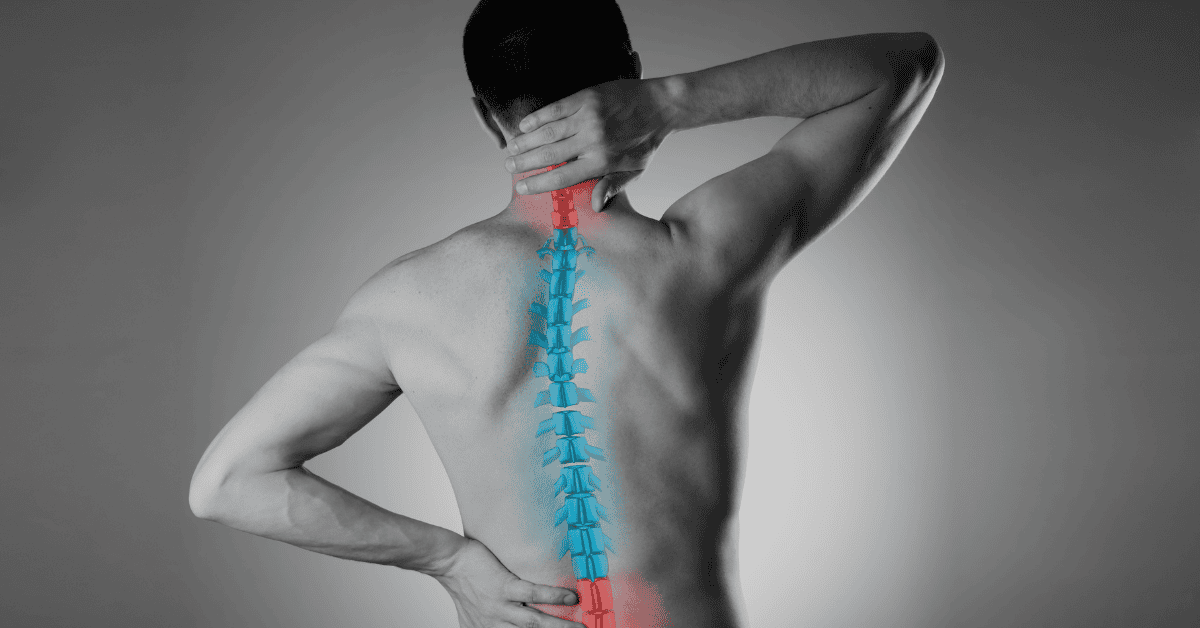
Scoliosis is more than just a crooked spine — it’s a medical condition that can affect posture, physical comfort, and overall well-being. Commonly diagnosed during childhood or adolescence, scoliosis can also occur in adults due to age-related changes in the spine.
In this article, we will explain what scoliosis is, its causes and symptoms, the different types of scoliosis, and how it’s diagnosed and treated in Singapore. We’ll also explore available scoliosis treatments in Singapore including bracing, physiotherapy, and surgery.
Back to Main Channel: Bone & Orthopaedic Health
Schedule an Appointment with an Orthopaedic Specialist in Singapore
What Is Scoliosis?
Scoliosis is a spinal condition where the spine curves sideways instead of running straight down the back. This sideways curve can appear in the shape of an “S” or a “C” and may be mild or more severe depending on the degree of curvature.
In many cases, mild scoliosis may not cause noticeable issues. However, as the curve progresses, it can lead to uneven shoulders, a tilted waist, or visible changes in posture. In severe cases, it may even affect lung function due to reduced space in the chest.
Types of Scoliosis
Understanding the specific type of scoliosis is key to choosing the right treatment plan:
- Idiopathic scoliosis – Most common in adolescents, cause unknown.
- Congenital scoliosis – Present at birth, due to spinal malformations.
- Neuromuscular scoliosis – Caused by underlying nerve or muscle conditions.
- Degenerative scoliosis – Age-related, seen in older adults.
What Causes Scoliosis?
There are several known and suspected causes of scoliosis, depending on the type of scoliosis involved:
- Idiopathic scoliosis is the most common type and has no identifiable cause. It often develops during the growth spurt before puberty.
- Congenital scoliosis occurs due to abnormal spinal development in the womb.
- Neuromuscular scoliosis is linked to conditions such as cerebral palsy, muscular dystrophy, or spinal cord injury.
- Degenerative scoliosis appears later in life due to wear and tear of the spinal discs and joints.
Symptoms of Scoliosis
Not everyone with scoliosis experiences symptoms, especially in mild cases. However, these are common signs to look out for:
- Uneven shoulders or hips
- A prominent shoulder blade
- One side of the ribcage appearing higher
- Waist appearing uneven or tilted
- Clothes not fitting properly
- Back pain or fatigue after prolonged standing or sitting
If you notice any of these signs, especially in a growing child or teen, early screening is essential.
Scoliosis Treatment Options in Singapore
Scoliosis treatment in Singapore depends on factors such as age, curve severity, and progression risk. An experienced orthopaedic surgeon will tailor treatment accordingly.
1. Observation
For those with mild scoliosis (typically less than 20 degrees), regular check-ups are often sufficient. Doctors will monitor the curve to ensure it doesn’t progress.
2. Scoliosis Brace
Bracing is a non-surgical treatment often recommended for adolescents with moderate scoliosis (20 to 40 degrees). The goal is to prevent the curve from worsening while the spine is still growing.
Types of scoliosis braces available in Singapore include:
- Boston Brace
- ScoliBrace
- SpineCor Brace
These braces are typically worn under clothing and must be used for several hours daily as directed by a specialist.
Cost of Scoliosis Braces in Singapore:
The price of scoliosis braces varies based on type and customisation:
- Aspen Peak Scoliosis Bracing System: Approximately SGD 1,800.
- Custom-fit braces: Ranging from SGD 500 to SGD 2,000, depending on complexity.
It’s important to consult with a specialist to determine the most suitable brace for your condition.
3. Scoliosis Exercises and Physiotherapy
Scoliosis-specific exercises, such as the Schroth Method, are designed to improve spinal alignment, posture, and core strength. Physiotherapy may be used on its own for mild scoliosis or alongside bracing.
Benefits include:
- Improved spinal mobility
- Reduction in pain or stiffness
- Enhanced posture and balance
4. Scoliosis Surgery
For severe curves (typically above 40–50 degrees), or in cases where conservative treatment fails, spinal surgery may be required. The most common procedure is spinal fusion, which involves permanently joining the affected vertebrae to prevent further curvature.
Cost of Scoliosis Surgery in Singapore:
The cost varies based on the healthcare facility and complexity of the procedure:
- Public Hospitals: Approximately SGD 25,000 to SGD 40,000.
- Private Hospitals: Approximately SGD 50,000 to SGD 120,000.
It’s advisable to discuss with your healthcare provider to understand the full scope of costs, including pre- and post-operative care.
Book a Consultation with an Orthopaedic Specialist in Singapore
Scoliosis in Singapore can be effectively managed with early detection and personalised treatment guided by an experienced orthopaedic specialist. Whether through regular monitoring, bracing, or surgery, taking timely action can significantly improve quality of life and help prevent complications. If you or your child shows signs of scoliosis, don’t hesitate to contact an orthopaedic surgeon for a thorough assessment and tailored treatment plan. Click the button below for an introduction to an expert orthopaedic specialist in Singapore.
Preferred Orthopaedic Specialist (Upper Limbs): Dr Bryan Wang
Preferred Orthopaedic Specialist (Lower Limbs): Dr Ananda Vella
Get Imaging Tests In Singapore
Explore comprehensive health screening packages from our partners
All content on this site is informative only and is not intended to be a substitute for professional medical advice, diagnosis, or treatment, and should never be relied upon for specific medical advice. If you are experiencing a medical emergency, call 995 immediately or go to the nearest Accident & Emergency department.
health365.sg is a member of 365Asia.