

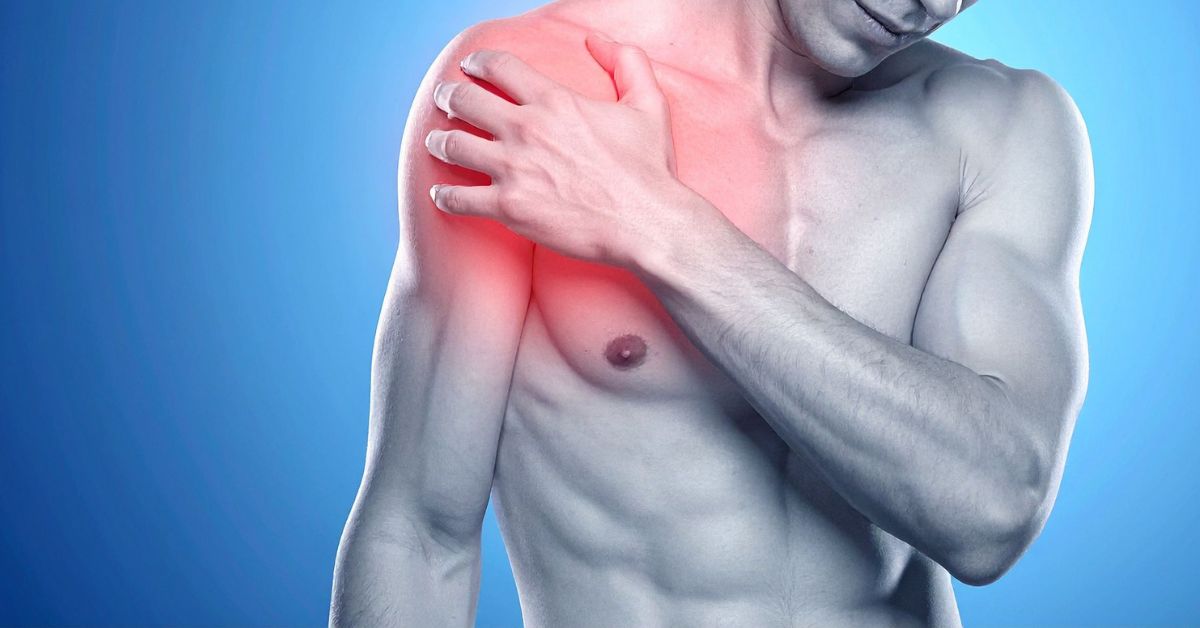
Do you feel shoulder pain when lifting your arm, reaching overhead, or carrying something heavy? This is one of the most common shoulder complaints seen by orthopaedic surgeons. Often, the underlying cause is a rotator cuff injury — particularly a rotator cuff tear.
Whether the pain appeared suddenly after exercise or gradually over time, understanding what’s happening inside your shoulder can help you seek the right treatment before the problem worsens.
Get An Appointment With An Orthopaedic Specialist
Contact UsBack To: Orthopaedic Sports Injuries Main Page
What Is The Rotator Cuff?
The rotator cuff is a group of four muscles and their tendons that surround the shoulder joint. These muscles are:
- Supraspinatus – helps lift the arm away from the body.
- Infraspinatus – assists with external rotation.
- Teres Minor – supports stability and rotation.
- Subscapularis – controls internal rotation.
Together, they keep the shoulder ball (humeral head) stable within its socket while allowing smooth and controlled motion. Because of its complexity and range of movement, the shoulder joint is highly flexible — but also vulnerable to strain and injury.
Why Do Rotator Cuff Tears Happen?
Rotator cuff tears occur when one or more of these tendons become damaged or completely torn. This can happen suddenly during trauma, or develop slowly over time due to wear and tear.
1. Acute Injury
A sudden fall, lifting a heavy object, or a forceful overhead movement (like throwing or pulling) can tear the rotator cuff instantly. This is more common in sports such as tennis, badminton, or weightlifting.
2. Degenerative Wear And Tear
Over time, the tendons naturally weaken due to repetitive use or age-related degeneration. People over 40 are more prone to this type of tear, especially if their jobs or hobbies involve frequent overhead motions.
3. Poor Posture Or Shoulder Mechanics
Forward-rounded shoulders or muscle imbalances can increase friction and pressure on the tendons, eventually leading to inflammation (tendinitis) or a partial tear.
4. Reduced Blood Flow
With age, blood supply to the rotator cuff decreases, slowing healing and making the tissue more prone to injury.
What Are The Common Symptoms Of A Rotator Cuff Tear?
Pain in the shoulder when lifting the arm is one of the hallmark symptoms. However, several other signs can accompany it:
- Sharp or aching pain when raising or lowering the arm
- Pain that worsens at night, especially when lying on the affected shoulder
- Weakness when trying to lift or rotate the arm
- Crackling or clicking sounds (crepitus) during movement
- Limited range of motion, making it hard to comb hair, reach overhead, or fasten a seatbelt
In mild cases, you may only notice discomfort during specific activities. In more severe tears, even simple tasks such as dressing or reaching for a cupboard can become painful.
When To See An Orthopaedic Surgeon For Shoulder Pain?
You should seek medical attention if:
- The shoulder pain persists for more than a week, even with rest and ice.
- You experience sudden pain and weakness after an injury or heavy lift.
- The pain interferes with daily activities or sleep.
- There is visible swelling, bruising, or loss of strength.
A prompt evaluation by an orthopaedic surgeon is important. Early diagnosis can prevent further damage and improve recovery outcomes.
How A Rotator Cuff Tear Is Diagnosed
The orthopaedic surgeon will diagnose shoulder pain starting with a physical examination, testing your shoulder’s range of motion, strength, and stability.
Imaging tests such as ultrasound or MRI scans are often recommended to determine the extent of the tear and check for associated conditions like bursitis or impingement.
Treatment Options For Rotator Cuff Tears
Treatment depends on the severity of the tear, your age, activity level, and overall health. The main options include:
1. Non-Surgical Treatment
- Rest and Activity Modification: Avoid movements that worsen the pain, especially overhead lifting.
- Physiotherapy: Strengthening the surrounding muscles helps restore function and relieve discomfort.
- Anti-Inflammatory Medications: Reduce pain and swelling.
- Corticosteroid Injections: Offer temporary relief for inflammation and pain.
Many partial tears respond well to conservative treatment, especially when started early.
2. Surgical Treatment
For complete tears or cases that do not improve with non-surgical care, rotator cuff repair surgery may be recommended. This procedure reattaches the torn tendon to the bone, often using minimally invasive arthroscopic techniques.
After surgery, rehabilitation and physiotherapy are crucial to regain strength, flexibility, and shoulder stability.
Frequently Asked Questions (FAQs)
Small or partial tears can often improve with rest, physiotherapy, and strengthening exercises. However, complete tears rarely heal naturally and may require surgical repair to restore normal function.
It depends on the cause of the pain. If the discomfort is mild and improves with movement, gentle stretching or strengthening may help. But if the pain worsens or limits your range of motion, stop and consult a doctor.
Recovery time varies. Mild cases may improve within a few weeks of physiotherapy, while surgical repairs can take several months to fully heal. Adhering to a proper rehabilitation plan is key to a successful outcome.
Preferred Doctor (Orthiopaedic Surgeon) For Shoulder Sports Injuries
If you are looking for an orthopaedic surgeon for shoulder sports injury treatment, you can consider our Preferred Doctors:
- Dr Kevin Koo is an orthopaedic surgeon with more than 20 years of experience, particularly in managing foot and ankle conditions as well as joint and sports-related problems. He combines minimally invasive techniques with evidence-based care, which may help patients recover function and return to activity more smoothly.



[SG] Featured Doctor- Dr Kevin Koo
Get An Appointment With An Orthopaedic Surgeon For Your Shoulder Pain
If you experience shoulder pain when lifting your arm, do not ignore it. Consult an orthopaedic specialist – with timely care, most people can regain full movement and return to their favourite activities pain-free. Early diagnosis and treatment not only relieve pain but also prevent long-term stiffness and weakness.
Contact UsBack To: Orthopaedic Sports Injuries Main Page
All content on this site is informative only and is not intended to be a substitute for professional medical advice, diagnosis, or treatment, and should never be relied upon for specific medical advice. If you are experiencing a medical emergency, call 995 immediately or go to the nearest Accident & Emergency department.
health365.sg is a member of Group 365Asia.