

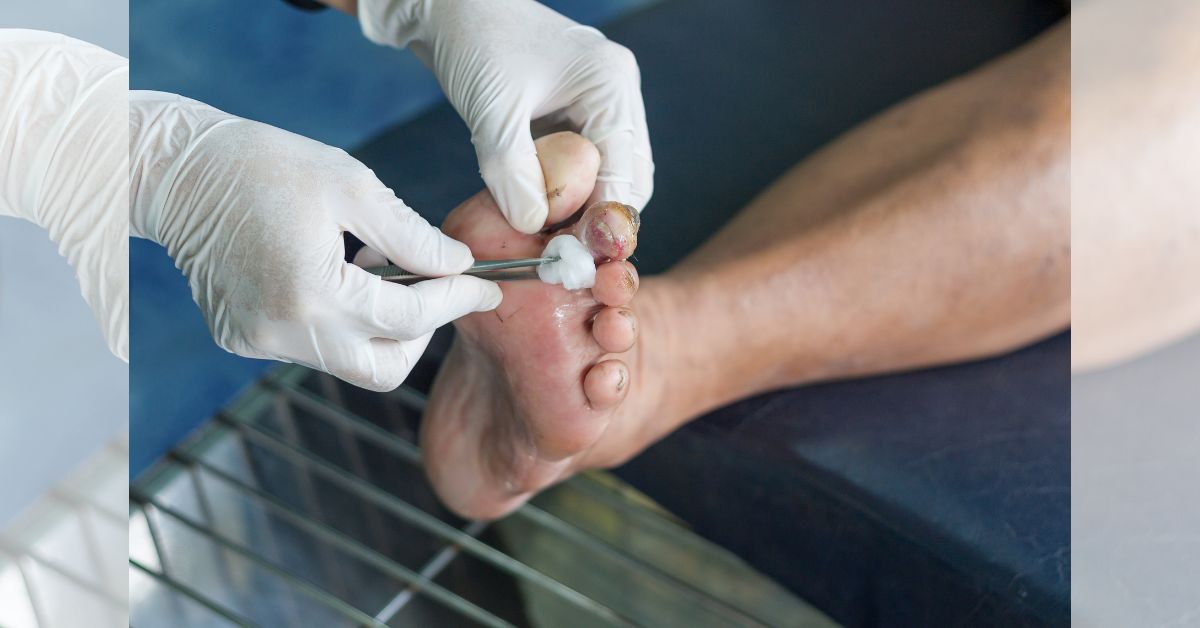
If you have diabetes, one of the most serious risks to your health isn’t just high blood sugar — it’s what’s happening to your feet. An early stage diabetic foot ulcer can seem small and harmless, but if left untreated, it can grow into a serious wound that threatens your mobility, independence, and even your limb.
Thankfully, early detection and treatment can prevent serious complications. Here’s how to spot the early signs and when to see a vascular specialist.
Contact MedicalTravel.asiaBack To: Vascular Diseases Main Page
Back To: Surgical Treatments Main Page
What Is An Early Stage Diabetic Foot Ulcer?
An early stage diabetic foot ulcer usually begins as a small break in the skin, often on the sole, toes, or sides of the foot. Because of nerve damage (diabetic neuropathy), you may not feel pain, even if the skin is damaged. Reduced blood flow also means that healing is slower — giving bacteria a chance to infect the area.
Acting early can dramatically reduce your risk of infection, surgery, or even amputation.
Early Warning Signs You Should Not Ignore
Recognising the signs of an early stage diabetic foot ulcer can save you from long-term problems. Look out for:
1. Red Or Discoloured Skin
A patch of redness, especially over pressure points like the ball of the foot or heel, can be the first sign. If the area is also warm to the touch, it may be inflamed.
2. Unusual Skin Texture
The skin may feel thin, shiny, or unusually dry. Areas of callus (thickened skin) can hide small cracks or ulcers underneath.
3. Small Cuts, Cracks, Or Blisters
Even a tiny blister or crack in the skin can be the starting point of an ulcer, especially if unnoticed and untreated.
4. Fluid Or Staining On Socks
Any leakage or blood spots on your socks could be a sign of a small open wound. This is often missed if you don’t check your feet daily.
5. Lack Of Sensation
If you feel numbness, tingling, or no pain at all in the foot, that’s a warning sign. You may not notice injuries that can turn into ulcers.
Noticed Diabetic Foot Ulcer Symptoms? Consult A Vascular Surgeon For An Investigation
Contact MedicalTravel.asiaWhy Early Treatment Is Essential
Treating an early stage diabetic foot ulcer is usually simpler and faster than treating an infected or advanced ulcer. A vascular specialist can:
- Check your circulation and nerve function
- Remove pressure from the ulcer (offloading)
- Clean and dress the wound properly
- Improve blood flow if needed through minor procedures such as an angioplasty, stenting or bypass surgery.
With proper treatment, most early ulcers heal completely without long-term damage.
Our Preferred Doctor (Vascular Surgeon) For Diabetic Foot Ulcer Surgery

Take Action Before It’s Too Late
If you have diabetes and spot any of the signs above, don’t wait for the wound to get worse. Early care leads to better outcomes.
Contact us today to schedule an appointment with a vascular surgeon. Let’s protect your feet and your future, starting now.
Get A Comprehensive Health Screening Package
Back To: Vascular Diseases Main Page
Back To: Surgical Treatments Main Page
All content on this site is informative only and is not intended to be a substitute for professional medical advice, diagnosis, or treatment, and should never be relied upon for specific medical advice. If you are experiencing a medical emergency, call 995 immediately or go to the nearest Accident & Emergency department.
health365.sg is a member of 365Asia.