

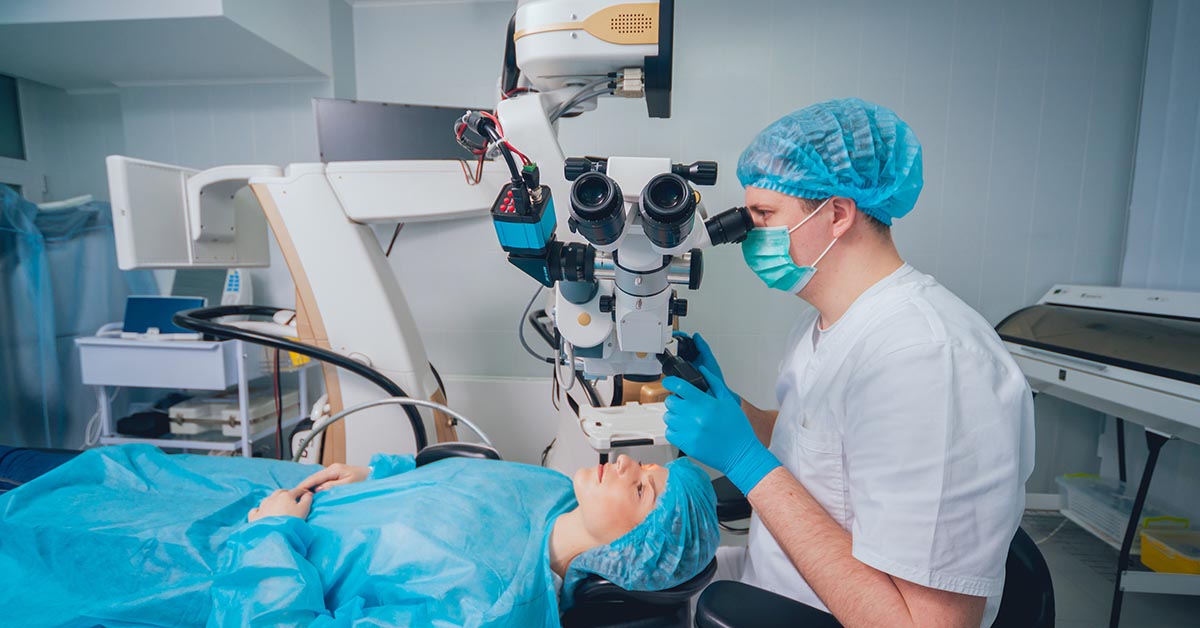
People in Singapore are vulnerable to eye diseases and disorders at every life stage, according to Singapore National Eye Centre. In addition, 83% of children in the country develop myopia by the age of 18. Our eyes are fundamental to our daily functioning. Having healthy eyes is key to optimal well-being. As such, when problems arising, we would want to find the best eye specialist, whether in Singapore or in other countries such as Korea, Thailand, etc.
Need An Appointment With An Eye Specialist?
Contact UsBack To: Eye Health Main Page
Types Of Eye Specialists
Optician, Optometrist, And Ophthalmologist
There are 3 types of eye care professionals who help people protect their vision. Hence, if you are looking for the best eye specialist in Singapore for your condition, it is important to first know the differences between the 3 – opticians, optometrists, and ophthalmologists.
- Opticians – These are technicians who dispense and fit glasses based on prescriptions from optometrists or ophthalmologists.
- Optometrists – These are the professionals who specialise in performing eye examinations. If eye-infections and eye diseases are detected, they may refer the patient to an ophthalmologist for treatment. Optometrists are not doctors.
Practicing opticians and optometrists in Singapore are required to be registered with the Optometrists and Opticians Board and have valid registration and practising certificates.
- Ophthalmologists – These eye care specialists are medical doctors who specialise in managing eye problems. They diagnose and treat eye diseases, prescribe medications and perform eye surgeries.
Editor’s List To Help Your Search For The Best Eye Specialist In Singapore
In your search for the best eye specialist in Singapore, you may consider our Preferred Doctor:
- Dr Lee Shu Yen is a senior eye specialist with extensive experience in managing cataracts, medical retina conditions, and complex general ophthalmology cases. She has over two decades of clinical experience in both public and private healthcare, and strong expertise in cataract and retinal disease management.

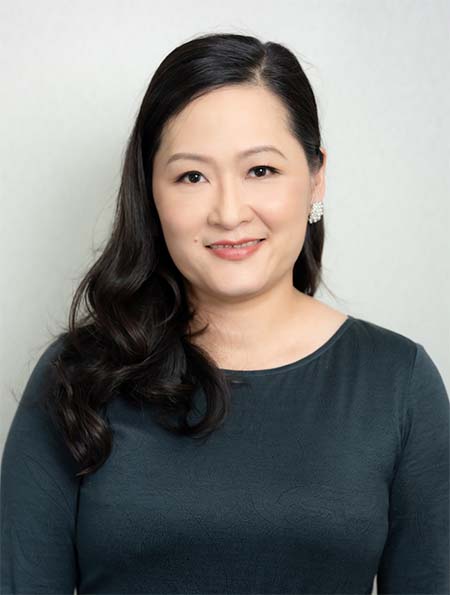

[SG] Featured Doctor- Dr Kevin Koo
Eye Specialists In Singapore

In addition, we have compiled a list of additional eye care professionals you can consider.
| Dr Low Jin Rong | 1. Cataract Surgery 2. Glaucoma and Retinal Disease Management | Cornerstone Eye Centre (Novena) |
| Prof Chee Soon Phaik | 1. Cataract Surgery | Eye & Retina Surgeons |
| Dr Wesley Chong | 1. Cataract Surgery 2. Refractive Surgery | Eagle Eye Centre |
| Dr Chua Wei Han | 1. Cataract Surgery 2. Refractive Surgery | Advanced Eye Clinic & Surgery |
| Dr Hoh Sek Tien | 1. Cataract Surgery 2. Glaucoma Surgery | Eye Surgeons |
| Dr Lee Hung Ming | 1. Refractive Surgery 2. Cataract Surgery | Asia Pacific Eye Centre |
| Dr Zena Lim | 1. Refractive Surgery 2. Cataract Surgery 3. Paediatric Ophthalmology. | Children’s Eye And ENT Centre |
| Dr Don Pek | 1. Cataract Surgery 2. Refractive Surgery | Lumin Eye Specialist |
| Dr Tan Yar Li | 1. Glaucoma 2. Cataract Surgery 3. Refractive Surgery (LASIK) | Asia Pacific Eye Centre |
| Assoc Prof Marcus Ang | 1. Corneal & External Eye Disease 2. Refractive Surgery 3. Cataract Surgery | Singapore National Eye Centre |
| Dr Deborah Tan | 1. Amblyopia 2. Cataract Surgery 3. Childhood Myopia | Singapore National Eye Centre |
| Dr Koh Liang Hwee | Dr Koh is an experienced optometrist in Singapore. | Pearl Optical Pte Ltd |
Contact Us For An Appointment With An Eye Specialist
Find a doctor for retinal, cataract, and other eye treatment in Singapore. For further assistance, reach out to us through the button below.
Contact UsBack To: Eye Health Main Page
A Primer On Eye Health
Common Symptoms Of Eye Conditions
Different eye diseases may present with different symptoms. While specific symptoms vary according to the type of eye condition, some common symptoms that may indicate an underlying eye problem include:
- Blurred Vision
- Eye Pain or Discomfort
- Redness and Irritation
- Double Vision
- Light Sensitivity
- Floating Spots or Flashes of Light
- Changes in Peripheral Vision
- Sudden Loss of Vision
- Halos Around Lights
- Headaches
Common Eye Conditions
Some common eye conditions include:
- Astigmatism – A condition leading to blurred or distorted vision.
- Cataract – Clouding of the natural lens in the eye, which leads to a gradual decrease in vision.
- Diabetic Retinopathy – Complication of diabetes that affects the blood vessels in the retina, the light-sensitive tissue at the back of the eye.
- Floaters – Tiny specks or spots that appear in a person’s field of vision. These are actually shadows cast on the retina by small, suspended particles in the vitreous, the gel-like substance that fills the eye.
- Glaucoma – Group of eye conditions that damage the optic nerve, usually due to increased pressure within the eye.
- Hyperopia – Commonly known as farsightedness. It is a refractive error where distant objects are seen more clearly than close ones.
- Myopia – Commonly known as near-sightedness. It is a refractive error where distant objects appear blurry while close objects can be seen clearly.
- Retinal Detachment – A serious eye condition where retina separates from its normal position.
Common Treatments For Eye Conditions
For refractive errors such as near-sightedness and farsightedness, corrective measures like glasses or contacts are prescribed. However, for more serious eye diseases, a comprehensive strategy involving medications or surgical interventions may be recommended such as:
- Refractive surgery (LASIK – click to learn more about LASIK in detail, LASEK, PRK, or SMILE).
- Cataract surgery.
- Corneal transplant.
- Other medications and prescriptions.
All content on this site is informative only and is not intended to be a substitute for professional medical advice, diagnosis, or treatment, and should never be relied upon for specific medical advice. If you are experiencing a medical emergency, call 995 immediately or go to the nearest Accident & Emergency department.
health365.sg is a member of Group 365Asia.