

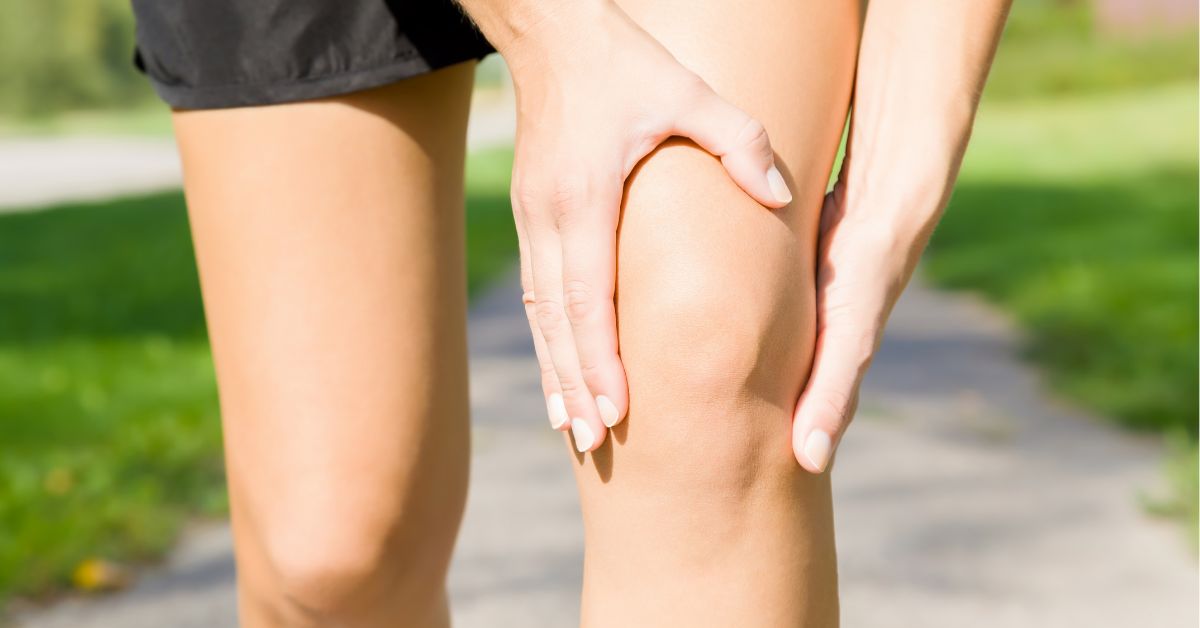
Sports injuries can happen to anyone, from professional athletes to fitness enthusiasts and even those engaging in casual exercise. Whether you are playing football, running, or lifting weights, injuries can occur due to overuse, poor technique, or accidents. Understanding the common types of sports injuries, how to prevent them, and available treatment options in Singapore can help you stay active and injury-free.
Learn more: Bone & Orthopaedic Health >>
Common Types of Sports Injuries
1. Sprains and Strains
Sprains occur when ligaments are stretched or torn, while strains involve the muscles or tendons. These injuries are common in activities requiring sudden movements, such as basketball or tennis.
2. Fractures
Broken bones can result from high-impact sports or falls. The severity of a fracture can vary, and treatment may range from immobilisation to surgery.
3. Dislocations
A dislocation happens when a bone is forced out of its normal position, often affecting the shoulders, knees, and fingers. Immediate medical attention is necessary to reposition the joint correctly.
4. Tendonitis
Repetitive motion can lead to inflammation of the tendons, causing conditions such as tennis elbow or Achilles tendonitis. Without proper care, these injuries can worsen over time.
5. Shin Splints
Common among runners, shin splints cause pain along the shin bone due to excessive stress on the muscles and tendons in the lower leg.
Diagnosis of Sports Injuries
Accurate diagnosis is essential to determine the severity of a sports injury and plan the best course of treatment. Sports injuries are commonly diagnosed using:
- Physical Examination – A doctor will assess the injured area, checking for swelling, tenderness, and range of motion.
- Medical History Review – Understanding how the injury occurred can help determine the possible cause and severity.
- Medical Imaging – X-rays, MRI scans, and CT scans provide detailed images to detect fractures, ligament tears, and other internal damage.
- Ultrasound – Used for diagnosing soft tissue injuries such as tendonitis and muscle tears.
- Joint Aspiration – In cases of joint swelling, fluid may be drawn from the affected area to check for infection or internal bleeding.
Treatment Options in Singapore
There are a wide range of treatment options for sports injuries, including:
- Physiotherapy – Targeted exercises and rehabilitation techniques to restore strength and mobility.
- Medication – Pain relief and anti-inflammatory drugs to manage symptoms.
- Orthopaedic Treatment – Specialist care for severe injuries requiring surgery or advanced therapy.
How to Prevent Sports Injuries
- Warm Up and Cool Down – Proper stretching before and after exercise can help reduce the risk of injuries by preparing the muscles and improving flexibility.
- Use the Right Equipment – Wearing appropriate footwear and protective gear can prevent impact-related injuries.
- Maintain Proper Technique – Learning the correct form for exercises and sports movements can significantly lower the risk of strains and sprains.
- Do Not Overtrain – Giving your body time to recover between workouts can help prevent overuse injuries.
- Strengthen Supporting Muscles – Engaging in strength training can improve muscle stability and reduce the likelihood of injuries.
Schedule a Consultation with a Sports Injury Specialist In Singapore
If you require assistance in finding a trusted sports injury specialist in Singapore, contact us for an introduction to a reputable professional who can help you recover and get back to your active lifestyle.
Related Articles On Health365
- Bone & Orthopaedic Health – Do Not Let Mobility Issues Hold You Back
- Orthopaedic Care In Singapore: Upper Limbs
- Orthopaedic Care In Singapore: Lower Limbs
- Spine Disorders – Do Not Let Back Pain Disrupt Your Lifestyle
All content on this site is informative only and is not intended to be a substitute for professional medical advice, diagnosis, or treatment, and should never be relied upon for specific medical advice. If you are experiencing a medical emergency, call 995 immediately or go to the nearest Accident & Emergency department.
health365.sg is a member of Group 365Asia.