

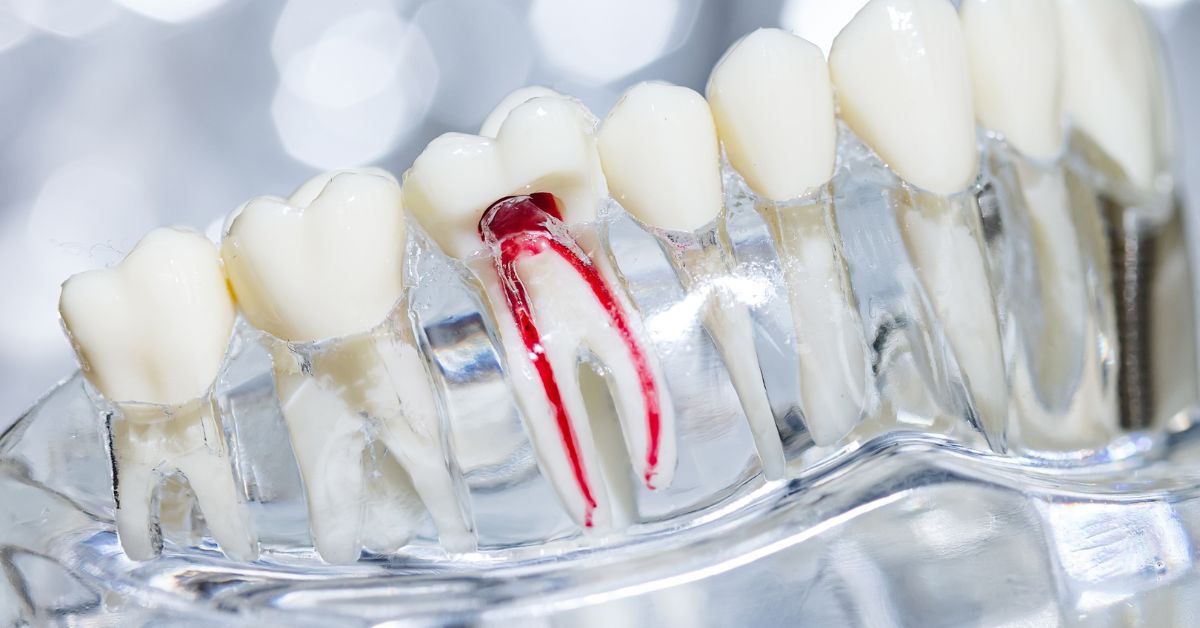
What Is A Root Canal?
A root canal is a dental procedure designed to save a tooth that has become infected or severely decayed. During the treatment, the dentist removes the infected pulp (the soft tissue inside the tooth), cleans and disinfects the canals, and then fills and seals the space. This process relieves pain, eliminates infection, and preserves your natural tooth structure. What root canals fail, a root canal retreatment may then be needed.
Need A Root Canal Specialist (Endodontist)?
Contact MedicalTravel.asiaBack To: Endodontics Main Page
What Does It Mean When A Root Canal Fails?
While root canal treatment is highly successful, there are cases where it may not fully resolve the problem. Failure can occur if:
- The tooth has complex or curved canals that were not fully cleaned or sealed.
- New decay or a broken crown allows bacteria to re-enter the tooth.
- There is a delay in placing a permanent restoration, leading to reinfection.
- The tooth develops a new crack or fracture.
When a root canal fails, bacteria can persist or return, causing ongoing or renewed infection and discomfort.
Symptoms Of A Failed Root Canal
If you are experiencing any of the following symptoms after a root canal, you may need a root canal retreatment:
- Persistent or recurring pain: Ongoing pain, throbbing, or sensitivity that does not subside.
- Swelling or tenderness: Gums around the treated tooth may swell or feel tender.
- Sensitivity to hot, cold, or pressure: Lingering sensitivity, especially when biting or chewing.
- Gum abscess or pimple: A bump or boil on the gums near the treated tooth, often indicating pus drainage.
- Tooth discolouration: The tooth may darken or develop a greyish tint.
- Loose or weak tooth: The tooth may feel unstable or wobbly.
- Recurring infections: Multiple abscesses or infections in the same area.
Our Preferred Doctors (Endodontist)

What To Do If You Suspect Root Canal Failure
If you notice any of these symptoms, contact your dentist or endodontist promptly. They will perform a clinical examination and take dental X-rays to determine if retreatment is necessary. Root canal retreatment involves removing the previous filling, thoroughly cleaning and disinfecting the canals, and resealing the tooth. In most cases, retreatment can save your natural tooth and prevent the need for extraction or more invasive procedures.
If you are still having pain after a root canal, do not ignore it. Prompt evaluation and retreatment can restore your comfort and protect your smile.
Contact MedicalTravel.asiaBack To: Endodontics Main Page
Frequently Asked Questions (FAQ)
1. How Common Do Root Canals Fail?
Root canal retreatment is not uncommon. Studies show that up to 14-16% of initial root canal treatments may eventually require retreatment due to persistent or recurring infection.
2. Is Root Canal Retreatment Painful?
Modern techniques and anaesthesia make root canal retreatment a comfortable procedure for most patients. Any post-treatment discomfort is usually mild and temporary.
3. What Happens If I Ignore A Failed Root Canal?
Ignoring a failed root canal can lead to worsening infection, bone loss, and even tooth loss. Early intervention increases the chances of saving your tooth and maintaining oral health.
All content on this site is informative only and is not intended to be a substitute for professional medical advice, diagnosis, or treatment, and should never be relied upon for specific medical advice. If you are experiencing a medical emergency, call 995 immediately or go to the nearest Accident & Emergency department.
health365.sg is a member of 365Asia.