


The thyroid gland may be small, but it plays a vital role in regulating your body’s metabolism, growth, and energy levels. Located in the lower part of the neck, this butterfly-shaped gland controls how your body uses energy through the release of thyroid hormones. When the thyroid isn’t functioning properly, it can lead to a range of health issues known collectively as thyroid disease. In Singapore, thyroid disorders are among the most common endocrine conditions treated by specialists, affecting both men and women (although women are more likely to be diagnosed). Understanding the early thyroid disease symptoms can help you seek medical attention promptly, prevent complications, and restore balance to your body.
Need An Appointment With A Thyroid Surgeon?
Contact UsBack To: Thyroid Health Main Page
What Is Thyroid Disease?
Thyroid disease refers to any condition that affects how the thyroid gland functions — whether it’s producing too much hormone (hyperthyroidism) or too little (hypothyroidism). Both conditions can disrupt your metabolism and impact multiple organs and systems.
The two most common forms of thyroid disease seen in Singapore include:
- Hyperthyroidism: An overactive thyroid that produces excessive hormones, causing your metabolism to speed up.
- Hypothyroidism: An underactive thyroid that doesn’t produce enough hormones, slowing down your metabolism.
Other thyroid-related conditions include thyroid nodules, goitres (enlargement of the thyroid), and thyroid cancer.
What Are The Common Symptoms Of Thyroid Disease?
Because the thyroid influences so many body systems, the symptoms of thyroid disease can vary widely. They also often mimic other health conditions.
Symptoms Of Hyperthyroidism (Overactive Thyroid):
- Rapid or irregular heartbeat
- Unexplained weight loss despite normal or increased appetite
- Tremors or nervousness
- Heat intolerance and excessive sweating
- Fatigue and muscle weakness
- Frequent bowel movements
- Difficulty sleeping
Symptoms Of Hypothyroidism (Underactive Thyroid):
- Fatigue and sluggishness
- Unexplained weight gain
- Feeling cold even in warm environments
- Dry skin and brittle hair
- Constipation
- Depression or low mood
- Slowed heart rate
If you experience these symptoms persistently, it is important to consult a thyroid specialist in Singapore for a thorough assessment.
When Should You See A Thyroid Specialist?
You should consider seeing a specialist if you notice:
- A lump or swelling in the neck (possible goitre or thyroid nodule)
- Persistent fatigue or mood changes not explained by lifestyle
- Unexplained weight changes
- Irregular menstrual cycles
- Voice hoarseness or difficulty swallowing
What Causes Thyroid Disease?
Several factors can contribute to thyroid dysfunction. In Singapore, the most common causes include:
- Autoimmune disorders: Conditions like Graves’ disease (hyperthyroidism) and Hashimoto’s thyroiditis (hypothyroidism) occur when the immune system attacks the thyroid gland.
- Iodine imbalance: Although rare in Singapore due to iodised salt, both excess and deficiency in iodine can affect thyroid function.
- Genetic factors: A family history of thyroid problems increases risk.
- Medications or radiation therapy: Certain drugs or prior neck radiation can affect thyroid hormone production.
- Thyroid nodules or tumours: Growths in the thyroid gland can cause abnormal hormone secretion or, in some cases, be cancerous.
How Is Thyroid Disease Diagnosed In Singapore?
Diagnosis typically involves:
- Physical Examination: The doctor checks for swelling or nodules in your neck.
- Blood Tests: Measure hormone levels and detect autoimmune antibodies.
- Ultrasound Scan: Provides detailed imaging to assess thyroid size, nodules, or irregularities.
- Fine-Needle Aspiration (FNA) Biopsy: If a nodule is found, a small tissue sample may be taken for analysis.
Early and accurate diagnosis ensures that patients receive the right treatment plan — whether through medication, surgery, or lifestyle adjustments.
What Treatments Are Available For Thyroid Disease?
Treatment depends on the specific condition and its severity. Common options include:
For Hyperthyroidism:
- Medication (Antithyroid Drugs): To reduce hormone production.
- Radioactive Iodine Therapy: Used to destroy overactive thyroid cells.
- Surgery (Thyroidectomy): Recommended when medication isn’t effective or when nodules are large.
For Hypothyroidism:
- Thyroid Hormone Replacement: Synthetic hormones (levothyroxine) help restore normal thyroid levels and alleviate symptoms.
In Singapore, these treatments are overseen by endocrinologists and head-and-neck surgeons experienced in managing both medical and surgical aspects of thyroid care.
How Can You Maintain Thyroid Health?
While not all thyroid diseases can be prevented, maintaining overall health helps reduce risks. You can:
- Eat a balanced diet with adequate iodine (but avoid excessive supplements).
- Have regular health screenings, especially if you have a family history of thyroid disease.
- Manage stress and get enough sleep.
- Avoid unnecessary radiation exposure to the neck.
Singapore’s healthcare system encourages proactive health management, making annual screening an excellent way to detect thyroid problems early.
Our Preferred Doctors For Thyroid Surgery

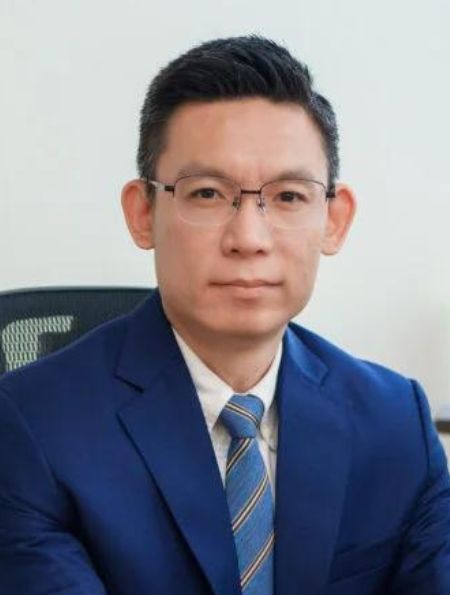
Dr Tan Wee Boon

[SG] Featured Doctor- Dr Kevin Koo
Watch Interview Video: Dr Tan Wee Boon explains thyroid conditions and their symptoms
Frequently Asked Questions (FAQs)
Yes. Thyroid disorders are among the most frequently diagnosed endocrine conditions in Singapore, particularly in women aged 30 to 60. Early detection and treatment lead to excellent outcomes in most cases.
While autoimmune thyroid diseases often require lifelong monitoring, most patients achieve stable hormone levels with medication or definitive treatment such as surgery or radioactive iodine therapy.
Yes. Untreated thyroid disease can interfere with menstrual cycles, fertility, and pregnancy outcomes. Women planning to conceive should have their thyroid function checked and managed appropriately by a specialist.
Thyroid Disease In Singapore
Thyroid disease is a manageable condition when diagnosed early and treated appropriately. Whether you’re dealing with an overactive or underactive thyroid, seeking care from an experienced thyroid specialist in Singapore can make a significant difference in your health and quality of life.
If you notice unusual fatigue, weight changes, or neck swelling, do not dismiss them as these could be signs your thyroid needs attention. With the right medical guidance, you can regain hormonal balance and live life to the fullest.
Contact UsBack To: Thyroid Health Main Page
All content on this site is informative only and is not intended to be a substitute for professional medical advice, diagnosis, or treatment, and should never be relied upon for specific medical advice. If you are experiencing a medical emergency, call 995 immediately or go to the nearest Accident & Emergency department.
health365.sg is a member of Group 365Asia.