

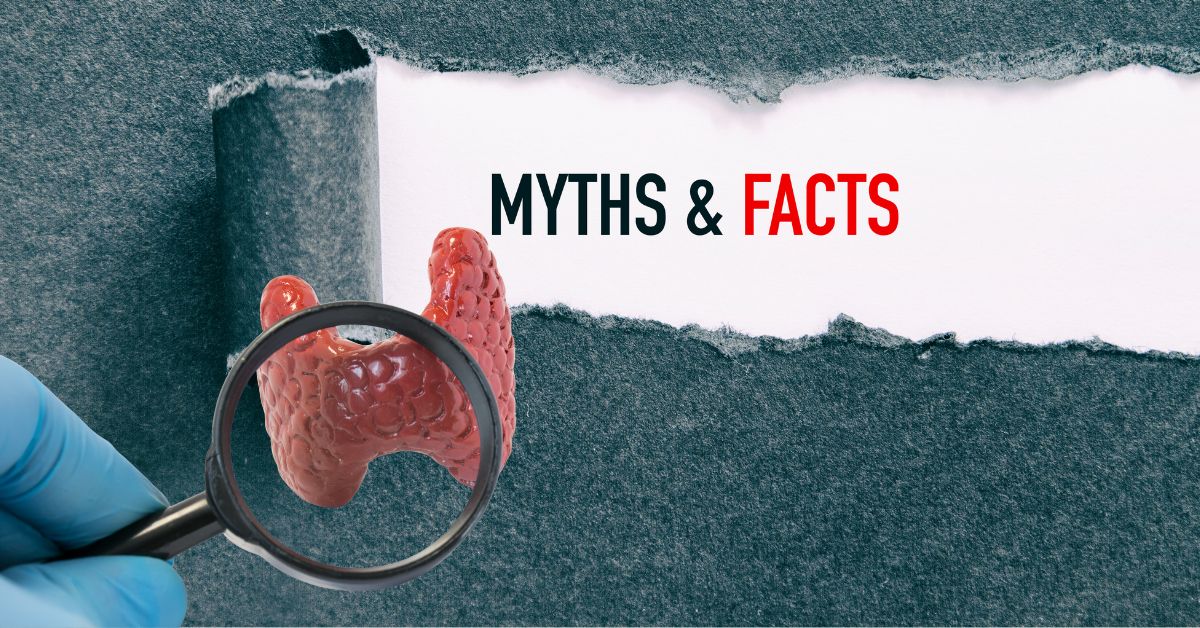
Thyroid diseases are common worldwide and in Singapore. However, they are still often surrounded by misunderstanding. From myths about weight gain to misconceptions about who is at risk, misinformation makes it harder for people to seek the right care. In this article, we will tackle the most common myths about thyroid diseases and replace them with facts, helping you better understand this small but vital gland.
Contact UsBack To: Thyroid Health Main Page
Myth 1: Only Women Get Thyroid Diseases
It is true that thyroid conditions, especially hypothyroidism and autoimmune thyroid disease, are more common in women. However, men can also develop thyroid problems, including thyroid nodules and cancer. Because thyroid symptoms in men may be overlooked, diagnosis is sometimes delayed. The reality is that both men and women are at risk, though women are affected up to eight times more frequently.
Myth 2: All Goitres And Nodules Mean Cancer
One of the most persistent myths about thyroid diseases is that an enlarged thyroid (goitre; 甲状腺肿) or a thyroid nodule must be cancer. In reality, most nodules are benign, and many goitres are caused by iodine deficiency or autoimmune conditions like Hashimoto’s thyroiditis. Only about 5–10% of thyroid nodules are malignant. Diagnosis usually involves ultrasound and fine-needle aspiration to separate harmless nodules from those that need treatment.
Myth 3: Thyroid Problems Always Cause Noticeable Symptoms
Many people believe thyroid disease always comes with obvious signs like weight gain or neck swelling. However, thyroid conditions can be silent. Small nodules often cause no symptoms at all, and hypothyroidism may initially present only with subtle fatigue or dry skin. Because of this, many thyroid diseases are detected incidentally during routine health checks or imaging for other reasons.
Myth 4: Only Older People Develop Thyroid Diseases
While thyroid disorders are more common with age, younger people, even children, can also be affected. Autoimmune conditions such as Graves’ disease (causing hyperthyroidism) and Hashimoto’s thyroiditis (leading to hypothyroidism) often appear in people aged 20s to 40s. Thyroid cancer is one of the more common cancers among young women in Singapore and other parts of the world. This myth can delay early diagnosis in younger people.
Myth 5: Weight Problems Always Mean Thyroid Issues
It is widely assumed that unexplained weight gain must signal an underactive thyroid. While thyroid disease can affect metabolism, most weight problems are related to diet, lifestyle, and genetics. People with hypothyroidism may gain only 2–5 kilograms from slowed metabolism, not the significant weight increases sometimes attributed to the thyroid. Conversely, hyperthyroidism can cause weight loss, but not all weight changes are thyroid-related.
Myth 6: Once Diagnosed, You Will Need Surgery
Another common misconception is that all thyroid problems require surgery. In fact, most cases of hypothyroidism are managed with daily medication, and many benign nodules are monitored rather than removed. Surgery is typically considered only for large goitres causing symptoms, suspicious or cancerous nodules, or cosmetic reasons. Minimally invasive options such as radiofrequency ablation are also becoming available, offering alternatives to open surgery.
Myth 7: Natural Supplements Can Cure Thyroid Disease
Herbal remedies and “thyroid support” supplements are often marketed as cures, but there is no scientific evidence that they replace standard treatments. In some cases, such supplements may interfere with prescribed thyroid medications or contain unregulated hormone levels. Proper management requires medical evaluation, laboratory testing, and evidence-based treatment. Always consult a healthcare professional before trying supplements.
Concerned About Thyroid Diseases? See A Specialist
If you suspect, or if medical screenings indicate potential thyroid conditions, you can consider consulting a medical professional with expertise in thyroid conditions. You can consider our Preferred Doctors if your are seeking a specialist.

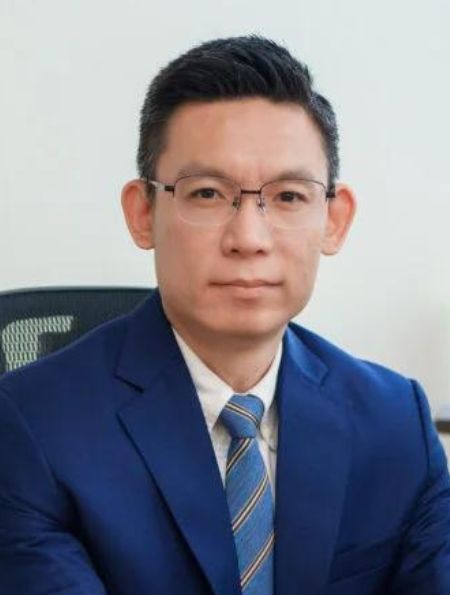
Dr Tan Wee Boon

[SG] Featured Doctor- Dr Kevin Koo
Frequently Asked Questions (FAQs) On Thyroid Diseases
No. Most thyroid nodules are harmless. Only a small percentage are cancerous, and tests like ultrasound and biopsy help identify them
No. While a healthy diet supports thyroid function, conditions like hypothyroidism or Graves’ disease require medical management.
Thyroid cancer is relatively uncommon globally but is among the more frequently diagnosed cancers in young women, especially in countries like Singapore.
Preferred Doctors: Dr Tan Wee Boon
Back To: Thyroid Health Main Page
All content on this site is informative only and is not intended to be a substitute for professional medical advice, diagnosis, or treatment, and should never be relied upon for specific medical advice. If you are experiencing a medical emergency, call 995 immediately or go to the nearest Accident & Emergency department.
health365.sg is a member of Group 365Asia.