

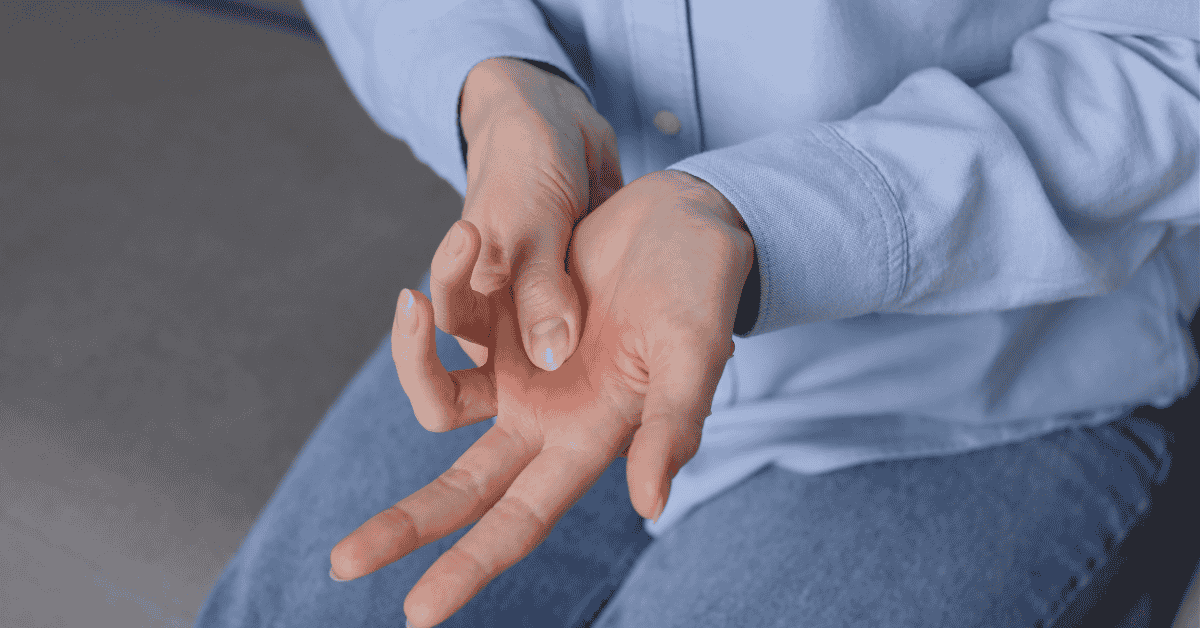
Trigger finger, medically known as stenosing tenosynovitis, is a common hand condition that causes one or more fingers to become stuck in a bent position. When straightening the finger, it may snap back suddenly, much like releasing a trigger. It often affects people who use their hands frequently for gripping tasks. In Singapore, orthopaedic specialists and hand surgeons see this condition frequently among office workers, manual labourers, and individuals with diabetes.
In this article, we explain what trigger finger is, what causes it, common symptoms, available trigger finger treatments in Singapore, when surgery is recommended, and how specific trigger finger exercises can help in recovery.
Back to Main Channel: Bone & Orthopaedic Health
Schedule an Appointment with an Orthopaedic Specialist in Singapore
What Is Trigger Finger?
Trigger finger is a condition where the flexor tendon in a finger or thumb becomes irritated and swollen. Tendons are cord-like tissues that connect muscles to bones and help you move your fingers. These tendons pass through a protective sheath. When the sheath narrows due to inflammation, the tendon can no longer glide smoothly, which leads to catching, stiffness, and sometimes locking of the finger.
This condition can affect any finger but is most commonly seen in the thumb, ring finger, or middle finger. It is especially noticeable in the morning or after periods of inactivity.
Trigger Finger Causes
There are several reasons why someone might develop trigger finger. Common causes include:
- Repetitive hand use: Activities involving gripping tools, typing, or manual labour.
- Health conditions: People with diabetes, rheumatoid arthritis, or thyroid conditions are at higher risk.
- Age and gender: It is more common in individuals aged 40–60 and tends to affect women more than men.
- Previous hand injuries or surgery: Trauma to the palm or fingers may also lead to inflammation of the tendon sheath.
Symptoms of Trigger Finger
The symptoms can be mild at first and worsen over time if untreated. Common signs include:
- Stiffness, especially in the morning
- A popping or clicking sound when moving the finger
- Tenderness or a bump at the base of the affected finger
- Pain when bending or straightening the finger
- In severe cases, the finger may lock in a bent position and require the use of the other hand to straighten it
Treatment Options in Singapore
The approach to trigger finger treatment depends on the severity of the condition. Many mild cases respond well to non-surgical methods, while more persistent cases may require surgery.
Non-Surgical Treatments
- Rest and activity modification: Reducing repetitive gripping and avoiding stressful hand activities can help the tendon heal.
- Splinting: Wearing a splint at night keeps the finger in an extended position and allows the tendon to rest.
- Anti-inflammatory medication: Oral NSAIDs (like ibuprofen) may help reduce pain and swelling.
- Steroid injections: A corticosteroid injection into the tendon sheath can reduce inflammation. This is a common and effective treatment in Singapore and can relieve symptoms for months or longer.
Trigger Finger Exercises
Incorporating gentle stretching and strengthening exercises can support recovery. These exercises improve tendon glide and reduce stiffness:
- Finger stretches: Open your hand wide, then gently pull back each finger with the opposite hand.
- Tendon gliding exercises: Curl your fingers into a hook fist, then a full fist, and straighten. Repeat several times a day.
- Ball squeezing: Use a soft therapy ball to build hand strength without over-stressing the tendon.
It is important to follow guidance from a physiotherapist or hand therapist before beginning any exercises.
When Is Trigger Finger Surgery Needed?
If conservative treatment does not relieve the symptoms or the finger is locked in place, your orthopaedic surgeon in Singapore may recommend trigger finger surgery. The procedure is called percutaneous or open trigger finger release.
During the surgery:
- The surgeon makes a small incision at the base of the finger
- The tendon sheath is released to allow the tendon to glide freely again
- The procedure is typically done under local anaesthesia
Recovery time is usually short, with most patients returning to normal activities within a few weeks. Mild exercises may be prescribed post-op to ensure smooth motion and prevent stiffness.
Cost of Trigger Finger Treatment in Singapore
Treatment costs for trigger finger can vary depending on whether you choose medical management, injections, or surgery, as well as whether you’re in a public or private setting:
1. Steroid Injection
A commonly used non-surgical option, corticosteroid injections cost around SGD 250–500 per injection in private clinics.
2. Trigger Finger Surgery
When non-surgical treatments fail, surgery may be necessary:
- In private hospitals, the cost typically ranges from SGD 1,900 to 4,300 based on MOH benchmarks.
- As per Spire, total treatment cost ranges between SGD 3,000 and 5,500, with percutaneous techniques adding further costs.
- In public hospitals (subsidised day surgery), the median bill for a single finger release is around SGD 672 (range: SGD 531–1,048)
When to See an Orthopaedic Specialist
Trigger finger is a treatable condition, especially when diagnosed early. With options ranging from lifestyle changes and exercises to injections and surgery, most individuals recover fully and regain normal hand function. If you’re experiencing symptoms, speak to an orthopaedic or hand specialist in Singapore to explore your treatment options. Click the button below for an introduction to our preferred orthopaedic specialist in Singapore.
Preferred Orthopaedic Specialist (Upper Limbs): Dr Bryan Wang
Preferred Orthopaedic Specialist (Lower Limbs): Dr Ananda Vella
Get Imaging Tests In Singapore
Explore comprehensive health screening packages from our partners
Back to Main Channel: Bone & Orthopaedic Health
All content on this site is informative only and is not intended to be a substitute for professional medical advice, diagnosis, or treatment, and should never be relied upon for specific medical advice. If you are experiencing a medical emergency, call 995 immediately or go to the nearest Accident & Emergency department.
health365.sg is a member of Group 365Asia.