

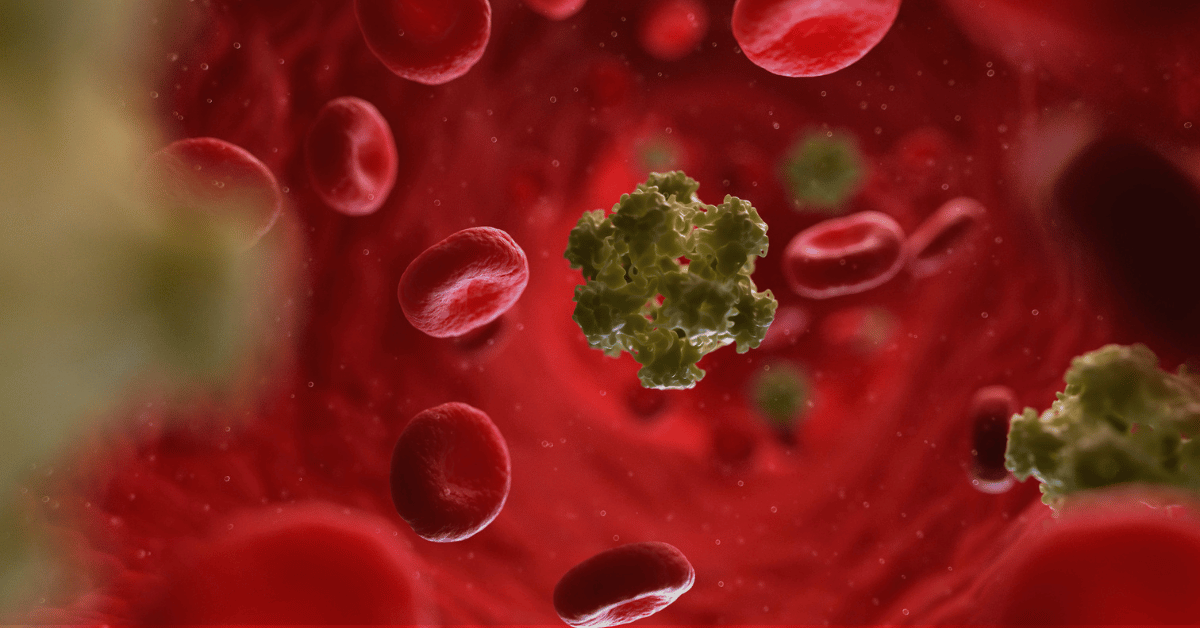
Human Papillomavirus (HPV) is the most common sexually transmitted infection in Singapore and around the world. Many people carry the virus without even knowing it, as it often shows no symptoms. However, certain types of HPV are directly linked to cancers such as cervical, anal, and throat cancer.
In this article, we’ll break down the different types of HPV, how they affect your body, and which ones Singaporeans should actually be concerned about. Understanding the various HPV strains can help you make informed decisions about screening, vaccination, and treatment.
Back To: Women’s Sexual Health
What is HPV?
Human Papillomavirus (HPV) is a group of more than 200 related viruses. These viruses infect the skin (also called cutaneous tissue) and moist areas of the body (known as mucous membranes), such as the mouth, throat, genitals, and anus. They are typically spread through direct skin-to-skin contact, including sexual activity. Some types of HPV cause common warts, while others can lead to cancers.
In Singapore, HPV infections are a public health concern, especially due to their link with cervical cancer, which is one of the top 10 cancers among women here. HPV can also affect men, contributing to anal, penile, and throat cancers.
How Are HPV Types Categorised?
HPV types are generally classified based on two criteria:
- Where they infect: skin (cutaneous) or mucous membranes (mucosal)
- The risk they pose: low-risk (rarely cause cancer) or high-risk (linked to cancer)
Cutaneous HPV Types
Cutaneous HPV types infect the skin and commonly cause warts on areas like the hands, feet, arms, and legs. These warts are non-genital and do not typically lead to serious health issues.
While common warts are harmless, it’s still essential to manage them properly, especially for individuals with weakened immune systems, as they may spread more easily.
Mucosal HPV Types
Mucosal HPV types infect moist areas of the body, including the genital, anal, and oral regions. The types that infect the genital and anal areas are commonly called genital HPV. These viruses target areas such as:
- Vagina and cervix
- Vulva and anus
- Penis and scrotum
- Mouth and throat
They are mainly spread through vaginal, anal, or oral sex.
Low-Risk HPV Types
Low-risk mucosal HPV types do not cause cancer but can lead to genital warts, which appear as cauliflower-shaped growths around the genital or anal area. The two most common low-risk strains are:
- HPV 6
- HPV 11
These two types are responsible for about 90% of genital wart cases. They are not life-threatening, but the physical and emotional discomfort they cause should not be underestimated. Genital warts may also appear in internal areas like the cervix or vagina, making them hard to detect without screening.
High-Risk HPV Types
These are the ones you should truly be concerned about.
High-risk HPV strains are capable of causing cancer by altering the DNA of infected cells over time. The body often clears the infection naturally, but when it persists, it can lead to abnormal cell changes and, eventually, cancer.
Common high-risk HPV types include:
- HPV 16 and HPV 18 – These are the most dangerous, causing around 70% of cervical cancer cases worldwide.
- HPV 31, 33, 45, 52, and 58 – These strains are also high-risk and are covered by the Gardasil 9 vaccine, which is available in many clinics across Singapore.
High-risk HPV can lead to:
- Cervical cancer
- Anal cancer
- Oropharyngeal cancer (mouth and throat)
- Penile cancer
- Vaginal and vulvar cancers
For Singaporean women aged 30 and above, doctors recommend the HPV DNA test as part of cervical cancer screening. This test is more sensitive than the traditional Pap smear and can detect high-risk HPV strains before symptoms develop.
How Do You Get HPV?
HPV is highly contagious and spreads more easily than many people realise. It can be transmitted through several forms of intimate contact, including:
- Vaginal, anal, or oral sex with someone who is infected, even if they show no symptoms
- Skin-to-skin contact in the genital area, where the virus can pass from one person to another without penetration
- Sharing sex toys, especially if not properly cleaned between use or shared between partners
- Close intimate contact, such as genital rubbing, even without intercourse
What makes HPV especially tricky is that you can get the virus from someone who appears completely healthy. Many people carry HPV without knowing it and can unknowingly pass it on to others. This is why regular screening and safe sex practices, such as using condoms and dental dams, are important even in long-term relationships.
Can HPV Be Prevented?
Which HPV Vaccine Is Right for You? Gardasil vs Cervarix
Yes—prevention is possible, and vaccination is the most effective way.
In Singapore, HPV vaccines like Gardasil 9 are widely available in both public polyclinics and private healthcare centres. Gardasil 9 protects against 9 HPV types, including the most common high-risk and low-risk strains.
Vaccination is recommended for:
- All individuals aged 9 to 26 (under the National Immunisation Programme)
- Adults up to 45, especially those who are sexually active and unvaccinated
For women, regular screening is essential even after vaccination, as no vaccine covers all high-risk HPV types.
What Happens If You’re Infected with HPV?
Most HPV infections clear on their own without causing problems. However, when the infection lingers, especially with high-risk HPV strains, you may face serious complications.
HPV may:
- Cause abnormal Pap smear results
- Lead to precancerous cell changes
- Progress to cancer over time if untreated
In men, HPV often shows no symptoms but can still be passed to partners. Regular check-ups and open conversations with your GP or gynaecologist help you stay on top of your sexual health and reduce risk.
Connect with a Trusted Gynaecologist in Singapore
In Singapore, awareness about HPV and its potential consequences is growing, but many people still have questions or concerns. Whether you’re considering the HPV vaccine, worried about genital warts, or simply unsure about your risk, it’s best to speak to a specialist. Click the button below to connect with a trusted gynaecologist in Singapore.
Contact MedicalTravel.asiaBack To: Women’s Sexual Health
Related Content
Get A Comprehensive Health Screening Package
Get Medical Imaging Tests In Singapore
All content on this site is informative only and is not intended to be a substitute for professional medical advice, diagnosis, or treatment, and should never be relied upon for specific medical advice. If you are experiencing a medical emergency, call 995 immediately or go to the nearest Accident & Emergency department.
health365.sg is a member of 365Asia.