

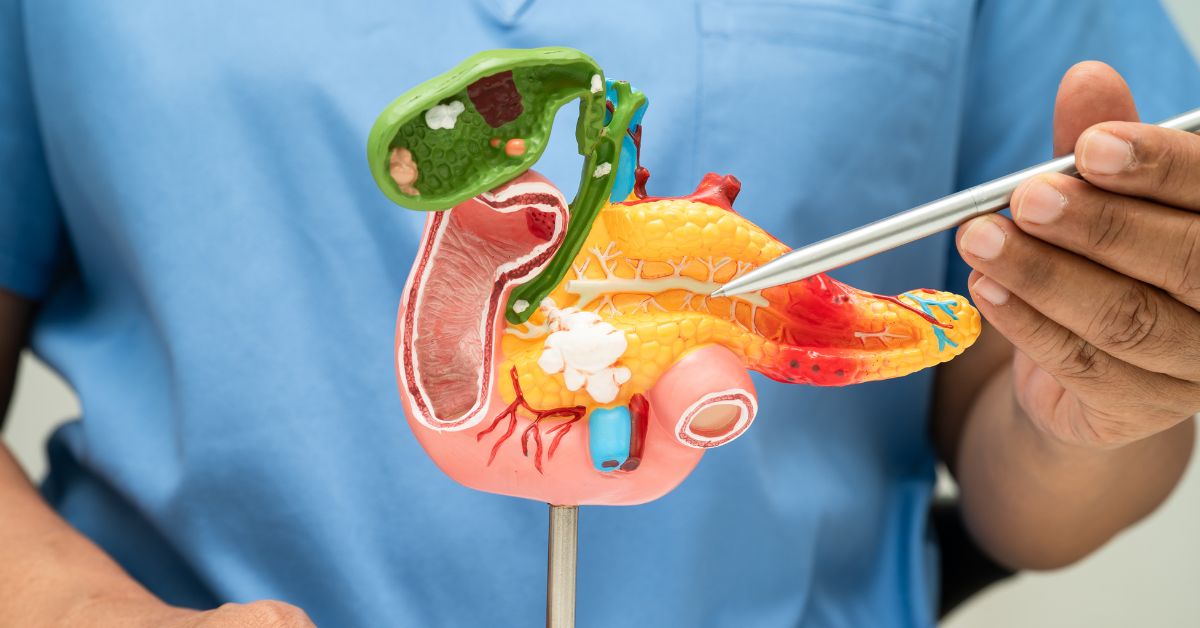
Pancreatic cancer is a complex and often silent disease that comes in several forms, each with its own characteristics, prognosis, and treatment approach. Understanding the types of pancreatic cancer is crucial for timely diagnosis and care. If you or a loved one are facing suspicious symptoms or have been recently diagnosed, it’s vital to speak with a specialist. Contact us to make an appointment to see a surgeon who can guide you through the next steps.
Contact UsBrowse Cancer Marker Screening Packages
Back To: Pancreas Cancer Main Page
Types Of Pancreatic Cancer
Exocrine Pancreatic Cancer (The Most Common Type)
Exocrine pancreatic cancers arise from the part of the pancreas responsible for producing digestive enzymes. These account for over 95% of all pancreatic cancer cases, and within this group, several subtypes exist:
Adenocarcinoma (Ductal Carcinoma)
This is the most prevalent type, responsible for more than 90% of pancreatic cancer diagnoses. It forms in the lining of the pancreatic ducts and is typically aggressive. Early intervention is critical to improving outcomes. Concerned about symptoms? Contact us to make an appointment to see a surgeon today.
Squamous Cell Carcinoma
Extremely rare, this form is made entirely of squamous cells — a cell type not normally found in the pancreas. Squamous cell carcinoma of the pancreas tends to be diagnosed at an advanced stage and has a very poor prognosis.
Adenosquamous Carcinoma
Accounting for only 1% to 4% of exocrine pancreatic cancers, this subtype combines features of both adenocarcinoma and squamous cell carcinoma. It is more aggressive than adenocarcinoma alone and often presents a more challenging treatment path.
Get A Comprehensive Health Screening Package
Browse Cancer Marker Screening Packages
Colloid Carcinoma
Colloid carcinomas make up 1% to 3% of exocrine pancreatic cancers and tend to arise from benign cysts such as intraductal papillary mucinous neoplasms (IPMNs). These tumours are less aggressive, more localised, and typically have a more favourable prognosis.
Neuroendocrine Pancreatic Cancer (NETs)
Neuroendocrine tumours develop from the endocrine cells of the pancreas — those that produce hormones like insulin and glucagon. These tumours are rare, comprising less than 5% of pancreatic cancers. Also known as islet cell tumours, they can be either functional (producing hormones) or non-functional. Treatment varies greatly depending on the tumour’s behaviour and size. If caught early, outcomes are generally better than for exocrine cancers.
Benign And Precancerous Lesions
Not all pancreatic tumours are cancerous. Some, such as IPMNs and other cystic growths, are benign but carry the potential to become malignant over time. These are often discovered during imaging for unrelated health issues. Regular monitoring or preventive surgical removal may be recommended by your surgeon based on the lesion’s characteristics.
Our Preferred Doctors For Pancreas Cancer Screening And Treatment
If you are looking for a surgeon or specialist for your pancreatic health concerns, you can consider our Preferred Doctors



[SG] Featured Doctor- Dr Kevin Koo
Why Early Consultation Matters
Identifying the specific type of pancreatic cancer is essential to choosing the right treatment. Whether you are showing symptoms, have a family history, or have been diagnosed with a suspicious lesion, it is important to act quickly. Contact us to make an appointment to see a surgeon and take the next step in securing expert care.
Understanding the types of pancreatic cancer is your first defence in fighting this difficult disease. With prompt specialist consultation and tailored treatment, outcomes can significantly improve.
Speak To A Pancreas Surgeon / Specialist Today
Contact UsBack To: Pancreas Cancer Main Page
All content on this site is informative only and is not intended to be a substitute for professional medical advice, diagnosis, or treatment, and should never be relied upon for specific medical advice. If you are experiencing a medical emergency, call 995 immediately or go to the nearest Accident & Emergency department.
health365.sg is a member of Group 365Asia.