

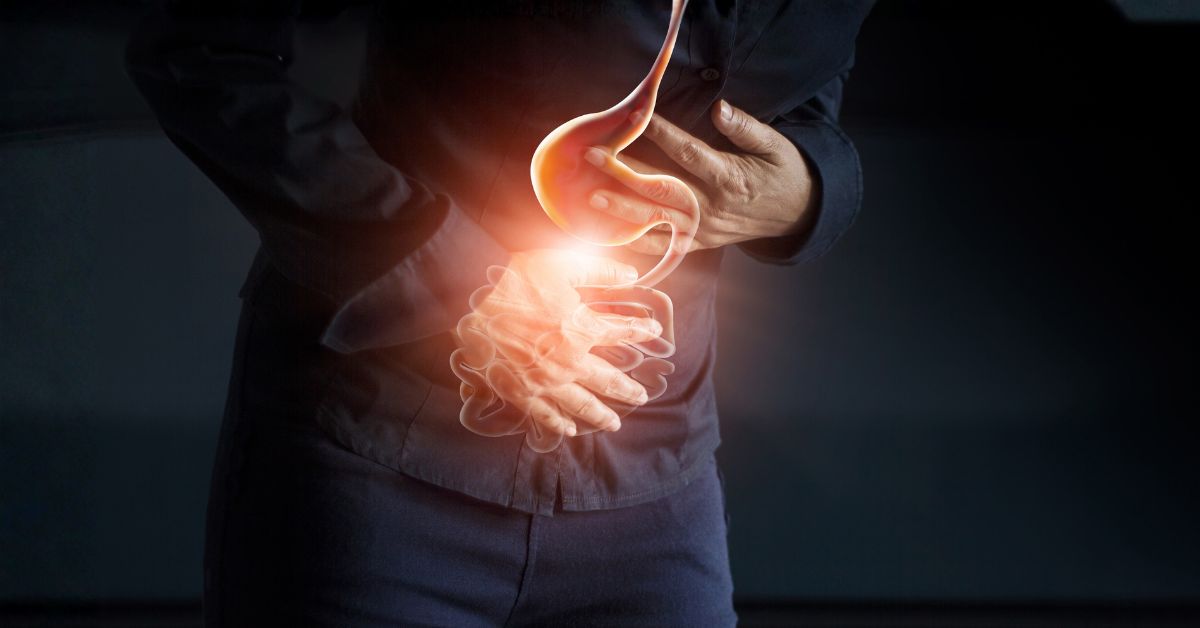
Inflammatory Bowel Disease (IBD) is a chronic condition that causes inflammation in the digestive tract. The two main types are ulcerative colitis and Crohn’s disease. While they share some overlapping symptoms, they are not the same illness. Understanding the difference between ulcerative colitis vs Crohn’s is vital for diagnosis, treatment, and long-term management.
Get An Appointment With A Gastroenterologist On Your IBD Symptoms Or Condition
Contact UsBack To: Colorectal Cancer & Other Conditions Main Page
Understanding Inflammatory Bowel Disease (IBD)
IBD refers to a group of autoimmune conditions where the body’s immune system mistakenly attacks healthy tissue in the gastrointestinal (GI) tract. This leads to ongoing inflammation, pain, and digestive issues.
The two main forms — Crohn’s disease and ulcerative colitis — both cause inflammation but affect different parts of the digestive system and in different ways. Recognising the distinction helps doctors choose the most effective treatment plan and allows patients to manage symptoms more effectively.
What Is Crohn’s Disease?
Crohn’s disease can affect any part of the digestive tract — from the mouth to the anus — although it most commonly occurs in the end of the small intestine (ileum) and the beginning of the large intestine (colon).
Inflammation in Crohn’s disease often appears in patches, leaving some areas of the gut healthy between inflamed sections. The inflammation can extend through all layers of the intestinal wall, potentially causing complications such as fistulas, strictures, or bowel obstruction.
The cause of Crohn’s is believed to be a combination of genetic susceptibility, immune system dysfunction, and environmental triggers such as smoking or diet.
What Is Ulcerative Colitis?
Ulcerative colitis, on the other hand, affects only the colon (large intestine) and the rectum. Unlike Crohn’s, inflammation in ulcerative colitis is continuous, starting from the rectum and spreading upwards. It only affects the innermost lining of the colon, rather than penetrating all tissue layers.
The exact cause is also unclear, but it likely involves an overactive immune response combined with genetic and environmental factors.
Ulcerative Colitis Vs Crohn’s – Key Differences
While both diseases fall under IBD, their characteristics and patterns of inflammation differ significantly. The table below highlights the main differences between ulcerative colitis vs Crohn’s:
| Feature | Crohn’s Disease | Ulcerative Colitis |
|---|---|---|
| Area Affected | Any part of the GI tract (mouth to anus), mainly small and large intestines | Only the colon and rectum |
| Pattern Of Inflammation | Patchy, with healthy areas between inflamed sections | Continuous inflammation starting from rectum |
| Depth Of Inflammation | Through all layers of the bowel wall | Limited to the inner lining of the colon |
| Symptoms | Abdominal pain, diarrhoea, fatigue, weight loss, mouth ulcers, perianal disease | Bloody diarrhoea, urgency, abdominal cramps, rectal pain |
| Complications | Fistulas, strictures, bowel obstruction, malnutrition | Severe bleeding, toxic megacolon, increased risk of colon cancer |
| Surgical Treatment | Diseased sections may be removed but disease can recur elsewhere | Removing the colon can cure the disease |
Symptoms To Watch For
Although symptoms overlap, they tend to present slightly differently:
Crohn’s Disease Symptoms
- Persistent diarrhoea (sometimes with mucus)
- Abdominal pain and cramping, especially after meals
- Fatigue and fever during flare-ups
- Weight loss and poor nutrient absorption
- Mouth ulcers or anal fissures
Ulcerative Colitis Symptoms
- Frequent, urgent need to pass stools
- Bloody diarrhoea or rectal bleeding
- Abdominal discomfort or cramping
- Fatigue and anaemia due to blood loss
- Mucus in the stool
If you experience any of these symptoms for several weeks, it’s important to seek medical advice. Early diagnosis leads to better management and helps prevent long-term complications.
Implications Of Each Condition
Living with either form of IBD means managing a chronic condition that may have flare-ups (active inflammation) and remission periods (when symptoms ease). However, the implications vary slightly between ulcerative colitis and Crohn’s.
For Crohn’s Disease
- The condition can appear in multiple areas of the GI tract, so regular monitoring through endoscopy and imaging is essential.
- Nutritional deficiencies are common due to malabsorption.
- Long-term medication and lifestyle adjustments are key to keeping inflammation under control.
For Ulcerative Colitis
- Because inflammation is limited to the colon, treatment focuses on preserving colon health and preventing flare-ups.
- Regular colonoscopies are important to screen for colon cancer risk.
- Surgery to remove the colon may be considered if medications are ineffective, which can potentially eliminate the disease.
Next Steps After Diagnosis
Once diagnosed with either Crohn’s disease or ulcerative colitis, the next step involves building a personalised treatment plan with a gastroenterologist. Typical approaches include:
- Medication: Anti-inflammatory drugs (aminosalicylates), corticosteroids, immune suppressants, and biologic therapies such as infliximab or adalimumab.
- Nutrition: Specialised diets or supplements to reduce inflammation and restore nutrient balance.
- Lifestyle Adjustments: Avoiding smoking, reducing stress, and maintaining a balanced diet.
- Surgery: Reserved for severe or non-responsive cases, where damaged bowel sections may need to be removed.
Singapore, for instance, offers comprehensive IBD care with advanced endoscopic imaging, biologic therapy, and multidisciplinary specialist support.
Our Preferred Doctors (Gastroenterologists)




[SG] Featured Doctor- Dr Kevin Koo
Frequently Asked Questions (FAQs)
It’s rare, but some patients may be diagnosed with “indeterminate colitis,” where doctors cannot clearly distinguish between the two based on test results.
Neither is universally “worse” — severity varies by individual. Crohn’s tends to have more complications outside the colon, while ulcerative colitis carries a higher risk of colon cancer.
Diagnosis usually involves blood tests, stool analysis, colonoscopy, and imaging scans such as MRI or CT to identify the location and extent of inflammation.
While diet helps manage symptoms, it cannot replace medical treatment. A dietitian can recommend meal plans that reduce inflammation and improve digestion.
There is no permanent cure yet, but many patients achieve long-term remission with modern medications, lifestyle management, and in some ulcerative colitis cases, surgery.
Get An Appointment With A Gastroenterologist
Understanding the difference between ulcerative colitis vs Crohn’s empowers patients to seek timely care and make informed decisions. Though both are chronic inflammatory bowel diseases, their effects on the digestive system differ in scope and severity.
If you experience persistent abdominal pain, diarrhoea, or blood in your stool, consult a gastroenterologist for proper evaluation. Early diagnosis and personalised treatment can help you manage IBD effectively and maintain a healthy, active life.
Contact UsBack To: Colorectal Cancer & Other Conditions Main Page
All content on this site is informative only and is not intended to be a substitute for professional medical advice, diagnosis, or treatment, and should never be relied upon for specific medical advice. If you are experiencing a medical emergency, call 995 immediately or go to the nearest Accident & Emergency department.
health365.sg is a member of Group 365Asia.