

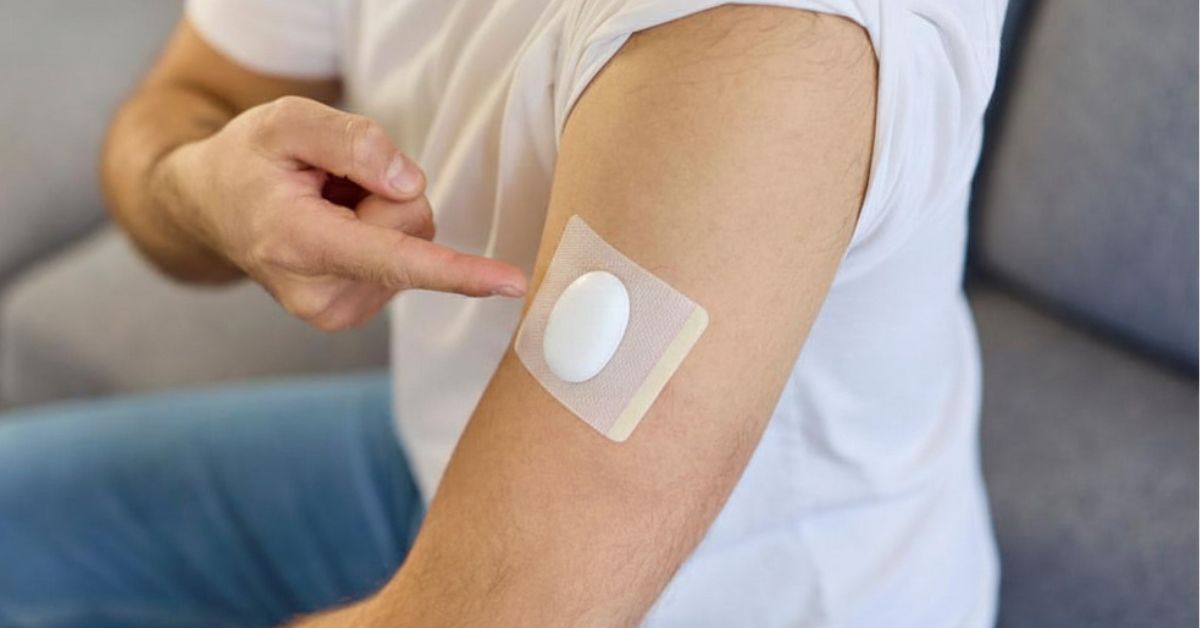
CMG Singapore – Continuous Glucose Monitoring (CGM) has transformed the landscape of diabetes management in Singapore. Unlike traditional finger-prick tests that provide a single snapshot of blood sugar levels, CGM devices offer real-time, continuous data on glucose trends throughout the day and night. This technology allows individuals and their healthcare providers to make informed decisions regarding diet, physical activity, and medication adjustments.
Get An Appointment With An Endocrinologist
Contact UsBack To: Diabetes Main Page
How Do Continuous Glucose Monitoring Devices Work?
A CGM system typically consists of three primary components: a small sensor, a transmitter, and a receiver or smartphone application. The sensor is a tiny wire inserted just under the skin, usually on the arm or abdomen, using an automatic applicator. It measures the glucose levels in the interstitial fluid—the fluid surrounding your cells—rather than the blood directly.
The transmitter, which sits on top of the sensor, sends this data wirelessly to a receiver or a compatible smartphone app. This allows users to see their current glucose level and, more importantly, the direction and speed at which it is changing. Many systems also include customisable alerts to warn users if their glucose levels are dropping too low (hypoglycaemia) or rising too high (hyperglycaemia).
Why Are Continuous Glucose Monitoring Devices Important For Diabetes Management?
The primary advantage of CGM is the depth of information it provides. While a finger-prick test might show a normal reading at one point in time, it cannot reveal if the glucose level is stable, rapidly falling, or sharply rising. By providing a “moving picture” of glucose levels, CGM helps to:
- Reduce Hypoglycaemia: Real-time alerts can prevent severe low blood sugar episodes, which are particularly dangerous during sleep.
- Improve HbA1c Levels: Continuous feedback encourages better glucose control, leading to a reduction in long-term complications such as kidney disease or nerve damage.
- Enhance Quality of Life: It reduces the frequency of painful finger-prick tests and provides peace of mind for both patients and caregivers.
When Are Continuous Glucose Monitoring Devices Needed?
The clinical necessity for CGM depends on the type of diabetes and the specific challenges a patient faces.
Type 1 Diabetes
For individuals with Type 1 Diabetes, CGM is often considered essential. Because their bodies produce little to no insulin, glucose levels can be highly volatile. CGM is particularly needed for those who experience “hypoglycaemia unawareness,” where they do not feel the physical symptoms of low blood sugar until it becomes a medical emergency.
Type 2 Diabetes
In Type 2 Diabetes, CGM is increasingly used for patients who require multiple daily insulin injections. It is also a valuable educational tool for those at an earlier stage of the disease to understand how specific foods and lifestyle choices immediately impact their metabolic health.
Rarer Types Of Diabetes
Patients with rarer forms of the condition, such as monogenic diabetes or pancreatogenic diabetes (Type 3c), face similar risks to those with Type 1. These individuals often require intensive monitoring to avoid the same severe complications, making CGM a critical component of their care plan.
CGM Singapore- Which Continuous Glucose Monitoring Devices Are Available In Singapore As Of April 2026?
Several CGM systems are currently approved for use in Singapore by the Health Sciences Authority (HSA). The availability of specific models may vary, but the most common brands include:
- Dexcom: Models such as the Dexcom G6 and G7 are widely utilised for their accuracy and integration with insulin pumps.
- FreeStyle Libre: The FreeStyle Libre 2 and Libre 3 systems are popular for their “flash” monitoring capabilities and ease of use.
- Medtronic: Often used as part of an integrated “closed-loop” system with Medtronic insulin pumps.
CMG Singapore – Which Devices Qualify For Government Subsidies?
The Singapore Ministry of Health (MOH) has progressively expanded subsidy frameworks to make diabetes technology more accessible. As of April 2026, subsidies of up to 80 per cent are available for eligible patients.
| Patient Category | Eligibility Criteria | Eligible Devices |
| Type 1 Diabetes | Singapore Citizens/PRs treated at public healthcare institutions (e.g., SGH, NUH). | Dexcom G6 (Sensor, Transmitter, Receiver) |
| Monogenic Diabetes | Diagnosed with specific genetic forms of diabetes requiring intensive insulin. | Dexcom G6 |
| Pancreatogenic Diabetes | Diabetes resulting from pancreatic disease or surgery. | Dexcom G6 |
| Type 2 Diabetes | Currently, subsidies focus on those with high clinical need; specific criteria apply. | Exact subsidy models for Type 2 may vary by clinical assessment. |
Note: The Dexcom G6 remains a primary device under the current national subsidy scheme (as of Apr 2026), though clinicians may recommend other brands based on individual patient needs without the same level of government co-funding.
CGM Singapore Device Costs
The cost CGM devices in Singapore is largely determined by a patient’s eligibility for government subsidies. For those with rarer forms of diabetes or Type 1, the Dexcom G6 is the only currently subsidised system, with Singaporeans receiving between 30% and 80% coverage depending on their means-test status.
Without subsidies (which is currently the case for most Type 2 patients) the financial commitment is significant: As at Apr 2026, a single Abbott FreeStyle Libre sensor (lasting 14 days) retails for approximately $103, while the Dexcom G6 sensors cost about $95 for every 10 days of wear, plus the cost of a reusable transmitter. Consequently, an unsubsidised user can expect to spend between $200 and $300 per month.
CGM Devices FAQs
Refer to our Guide for practical FAQs about Continuous Glucose Monitoring devices.
Find A Doctor For Diabetes Management
If you are looking for a Doctor for diabetes management, you can consider our Preferred Doctors:

Contact us today to schedule an appointment with a specialist endocrinologist to discuss your diabetes management plan and determine if a CGM device is suitable for your clinical needs.
Contact UsBack To: Diabetes Main Page
All content on this site is informative only and is not intended to be a substitute for professional medical advice, diagnosis, or treatment, and should never be relied upon for specific medical advice. If you are experiencing a medical emergency, call 995 immediately or go to the nearest Accident & Emergency department.
health365.sg is a member of Group 365Asia.