

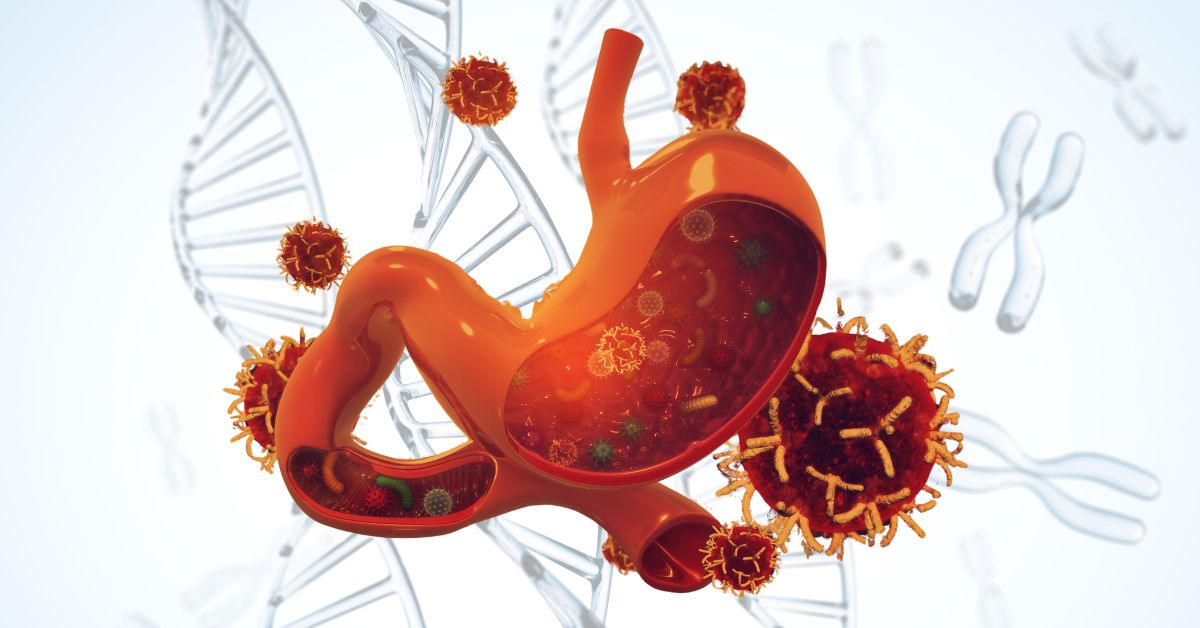
Cancer affects many families in Singapore and around the world. According to Ministry Of Health statistics, cancer was the top principal cause of death in Singapore in 2023. It is important to understanding what causes cancer and how to assess your cancer risk, so that you can optimise your efforts for early detection and prevention of cancer. One of the key pieces to this puzzle is DNA — the blueprint of life inside every cell. This article explains what DNA is, and how changes in DNA affect cancer risk, referencing in particular to risk of stomach cancer.
Get An Appointment To See A Doctor Regarding Cancer
Contact MedicalTravel.asiaBack To: DNA Test Singapore: Genetic Testing for Stomach Cancer Main Page
What Is DNA?
DNA stands for deoxyribonucleic acid. It is a long molecule inside your cells that carries genetic instructions that tells your body how to grow, develop, and function. DNA is made up of four chemical bases (A, T, C, and G) arranged in unique sequences that form genes. Each gene serves a specific role, such as controlling cell growth or repairing damage. Everyone has his or her own unique DNA sequence.
How Does DNA Affect Cancer Risk?
Cancer starts when cells in the body begin to grow uncontrollably. This happens when the instructions in DNA (which normally regulates cell growth and repair) are damaged or changed. These changes are called mutations.
There are two broad types of mutations:
- Inherited Mutations: Passed from parents to children and present in every cell. These mutations may increase a person’s lifetime cancer risk.
- Acquired Mutations: These occur during a person’s life because of exposure to environmental factors such as smoking, radiation, infections, or simply ageing.
Inherited mutations are the reason some families have a higher risk of certain cancers. For example, mutations in the BRCA1 and BRCA2 genes raise breast cancer risk, while mutations in other genes affect the risk for different cancers.
What Does This Mean For Stomach Cancer?
Stomach cancer risk can also be influenced by changes in your DNA. While most stomach cancers develop from acquired mutations caused by lifestyle or infections, about 1 to 3% are due to inherited genetic mutations. This small but important group can benefit greatly from DNA testing and early detection.
The CDH1 gene is the most well-known gene linked to hereditary stomach cancer, particularly a type called hereditary diffuse gastric cancer (HDGC). A mutation in this gene affects a protein that helps cells stick together. When this protein fails to work properly, cells may grow and spread abnormally, increasing stomach cancer risk.
In Singapore, where stomach cancer is common, knowing if you carry a mutation in CDH1 or related genes can help your doctor recommend early surveillance or preventive measures like surgery. This personalised approach can save lives by catching cancer before symptoms appear.
How DNA Testing Assesses Stomach Cancer Risk
A DNA test is a laboratory test that checks for specific inherited mutations linked to increased cancer risk. If you have a strong family history of stomach or related cancers, or were diagnosed at a young age, your doctor may suggest genetic testing.
Singapore offers advanced genetic testing services, including blood or saliva tests, to find these mutations. Identifying a mutation means you and your family can take proactive steps such as:
- Regular endoscopic screening for early stomach cancer detection
- Lifestyle adjustments to reduce risk factors
- Preventive surgery in high-risk cases
Beyond DNA: What Other Factors Affect Cancer Risk?
Not all stomach cancers are inherited. Many cases in fact occur due to others factors like:
- Infection with Helicobacter pylori bacteria
- Smoking and excessive alcohol consumption
- Diet low in fresh fruits and vegetables
- Obesity and certain medical conditions
Even without genetic mutations, managing these risk factors is essential for cancer prevention.
Preferred Doctor (Stomach Surgeon And Gastroenterologists) For Stomach Cancer Screening And Treatment


Dr Kim Guowei



[SG] Featured Doctor- Dr Juanda Leo Hartono
Explore 365Mall Cancer Screening Packages
No product found.Understand Your Cancer Risk
DNA is the fundamental code that shapes our bodies and influences how our cells grow and behave. Changes in DNA cause most cancers, including stomach cancer. For some people, inherited DNA mutations can significantly raise their cancer risk. DNA testing in Singapore helps identify these risks early, allowing for personalised prevention and treatment strategies.
If you have concerns about family history or stomach cancer risk, speak with your healthcare provider or a genetic counsellor. Understanding DNA and your cancer risk empowers you to take control of your health, with options tailored to you and your loved ones.
Contact MedicalTravel.asiaLearn More: Stomach Cancer In Singapore
Back To: DNA Test Singapore: Genetic Testing for Stomach Cancer Main Page
All content on this site is informative only and is not intended to be a substitute for professional medical advice, diagnosis, or treatment, and should never be relied upon for specific medical advice. If you are experiencing a medical emergency, call 995 immediately or go to the nearest Accident & Emergency department.
health365.sg is a member of 365Asia.