


Golfer’s elbow is medically known as medial epicondylitis. It is a common condition that, despite its name, does not only affect golfers. Golfer’s elbow results from overusing the muscles in the forearm that allow you to grip, rotate your arm, and flex your wrist. It causes pain and inflammation on the inside of the elbow, where the tendons of the forearm muscles attach to the bony bump of the inner elbow. Whether you play golf or not, repetitive motions in work or sport — such as swinging a club, using hand tools, or frequent lifting — can lead to this condition.
Consult A Specialist On Golfer’s Elbow
Contact MedicalTravel.asiaBack To: Orthopaedic Care In Singapore: Upper Limbs Main Page
Symptoms To Look Out For
The hallmark symptom of golfer’s elbow is pain on the inside of the elbow. This pain may:
- Radiate down the forearm.
- Worsen with certain movements like gripping or lifting.
- Be accompanied by stiffness or weakness in the hand and wrist.
- Appear gradually over time rather than from a single injury.
Some people also experience tingling or numbness in the fingers, particularly the ring and little finger.
How An Orthopaedic Specialist Diagnoses Golfer’s Elbow
An orthopaedic specialist will typically begin with a physical examination, checking for tenderness at the elbow and assessing range of motion and strength. They may ask about your activity levels and the kinds of motions that trigger discomfort. In some cases, imaging tests such as an X-ray or MRI may be used to rule out other causes of pain or confirm tendon damage.
Non-Surgical Treatment Options
In most cases, golfer’s elbow can be treated without surgery. Common approaches include:
- Rest and Activity Modification: Avoiding the activity that caused the injury is key.
- Ice Therapy: Applying cold packs can help reduce inflammation.
- Anti-Inflammatory Medication: Over-the-counter medications like ibuprofen may be recommended.
- Physiotherapy: Targeted exercises can strengthen the forearm muscles, reduce strain on the tendon, and promote healing.
- Bracing: A counterforce brace or elbow strap may help alleviate stress on the tendon.
In some instances, your specialist might suggest corticosteroid injections to relieve persistent inflammation, although this is typically reserved for more stubborn cases.
Get Treatment For Golfer’s Elbow
Contact MedicalTravel.asiaWhen Surgery May Be Needed
Surgery is rarely the first line of treatment, but it may be necessary if symptoms persist after 6 – 12 months of conservative management. The surgical procedure usually involves removing damaged tissue from the tendon and reattaching healthy tissue to the bone.
Most patients return to full activity within a few months after surgery, often with the help of a rehabilitation programme.
Getting The Right Help
If you’re experiencing persistent inner elbow pain that’s interfering with daily activities or sport, it’s wise to consult an orthopaedic specialist. Early intervention can prevent further damage and ensure a faster recovery.
Our Preferred Doctors (Orthopaedic Surgeon) For Golfer’s Elbow Treatment
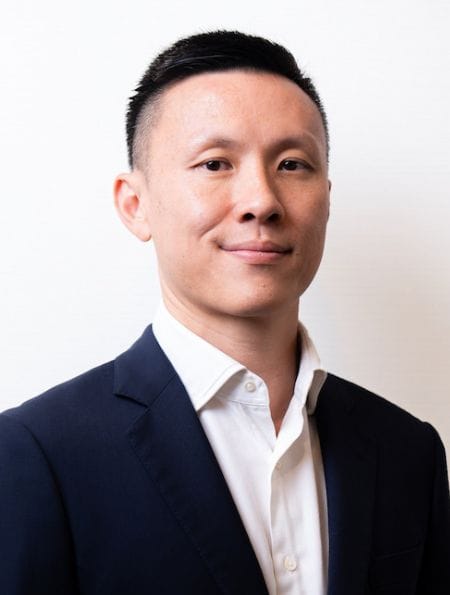
Watch Interview Video: Dr Byran Wang Explains Golfer’s Elbow
Get An Appointment For Golfer’s Elbow Treatment
Golfer’s elbow might be frustrating, but it’s a condition that usually responds well to treatment — especially when caught early. With the right care plan, many people recover fully and return to their normal routines pain-free.
Consult An Orthopaedic Surgeon Today
Contact MedicalTravel.asiaPreferred Doctors: Dr Bryan Wang (Orthopaedic Surgeon)
Watch Interview Video: Dr Byran Wang Explains Golfer’s Elbow
Back To: Orthopaedic Care In Singapore: Upper Limbs Main Page
All content on this site is informative only and is not intended to be a substitute for professional medical advice, diagnosis, or treatment, and should never be relied upon for specific medical advice. If you are experiencing a medical emergency, call 995 immediately or go to the nearest Accident & Emergency department.
health365.sg is a member of 365Asia.