

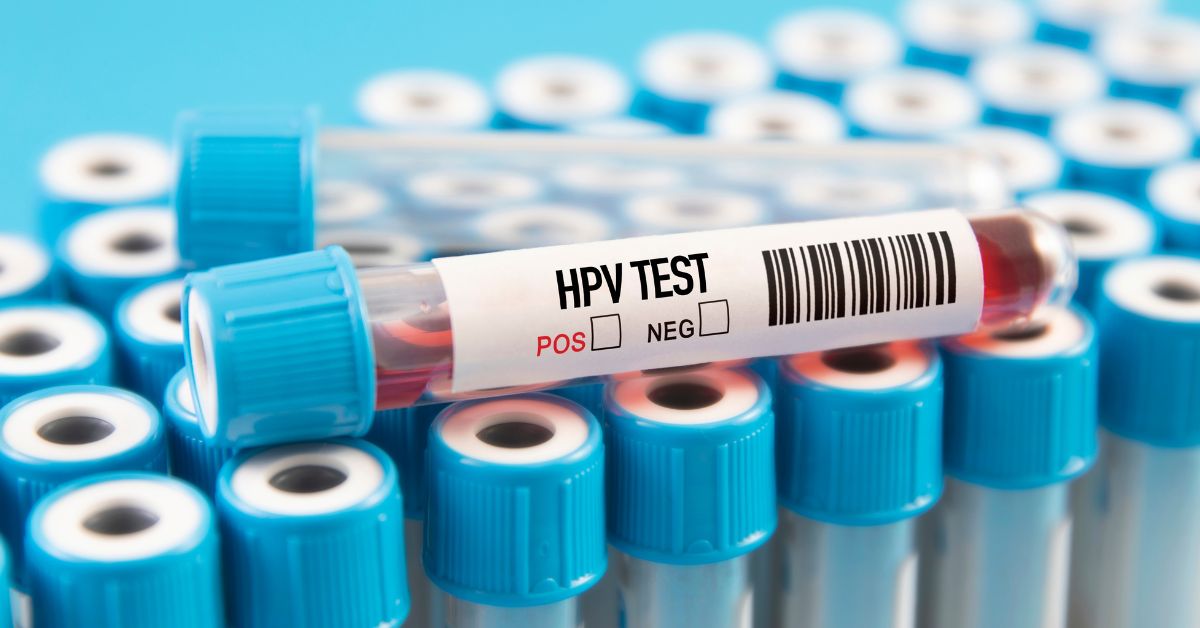
The HPV test is an essential part of modern health screening. It is used to detect the presence of the human papillomavirus (HPV), a virus that can lead to certain cancers, including cervical cancer. But what is HPV test, and why is it significant for your health?
Back to Main Channel: Sexual Health
What Is HPV Test?
The HPV test is a medical procedure that checks for the presence of high-risk human papillomavirus (HPV) types. This virus can lead to serious health conditions, including cancer. Unlike the Pap smear, which identifies abnormal cells, the HPV test identifies the virus itself, which is the root cause of these abnormalities.
A sample of cells is typically collected from the cervix (for those with a cervix) or other areas of the genital region (depending on the test and individual). These cells are then examined for high-risk HPV strains.
What Does HPV Stand For?
HPV stands for human papillomavirus, a group of more than 100 related viruses. Many types of HPV are harmless, but some can lead to abnormal cell growth and, if untreated, may result in cancer over time.
How Is the HPV Test Done?
The HPV test is similar to a Pap smear in terms of how the sample is collected:
- A healthcare professional uses a small instrument (speculum) to open the vaginal walls (for individuals with a cervix) or to collect the sample from the genital area.
- A soft brush or swab is used to collect the necessary cells.
- The sample is sent to a lab for testing to check for the presence of high-risk HPV types.
The test is typically quick, with minimal discomfort.
What Is the Difference Between a Pap Smear and an HPV Test?
- A Pap smear detects abnormal or precancerous cells in the cervix.
- An HPV test detects the virus that causes those abnormal cells in the first place.
Together, they help to identify individuals at risk for developing conditions such as cervical or anal cancer, as HPV is the primary cause.
Get a Health Screening with Pap Smear
Why Should You Consider an HPV Test?
In Singapore, it is recommended for women to start undergoing HPV testing from the age of 30 every 3 to 5 years, depending on your risk factors for cervical cancer. Women between the ages of 25 and 29 may still receive regular Pap smears, which look for abnormal cell changes in the cervix, although they may not be routinely tested for HPV. After the age of 30, combining an HPV test with a Pap smear is considered the most effective way to detect both the virus and any abnormal cell changes.
If you are sexually active, it is important to consult with your doctor about the appropriate time for you to begin HPV testing, as the virus is transmitted through sexual contact.
When Is HPV Testing Done?
If you are sexually active, regular HPV testing may be part of your routine health screening. You should consult a healthcare provider for personalised advice on when to start and how often to get tested.
Is HPV Testing Available in Singapore?
Yes, HPV testing is available at many clinics and hospitals throughout Singapore, both in public healthcare settings and private clinics. Some centres also offer comprehensive sexual health packages that include HPV testing as part of general wellness screenings.
Take Charge of Your Health with HPV Screening
If you are looking for a trusted clinic or doctor to discuss HPV testing in Singapore, contact us for an introduction to a trusted specialist.
Useful Links
- Preferred Men’s Health Doctor: Dr Kenneth Lee of Dr Plus
- Have Questions? Find us on WhatsApp (wa.me/6590991662)
- Explore comprehensive health screening packages from our partners
Related Content
Back to Main Channel: Sexual Health
All content on this site is informative only and is not intended to be a substitute for professional medical advice, diagnosis, or treatment, and should never be relied upon for specific medical advice. If you are experiencing a medical emergency, call 995 immediately or go to the nearest Accident & Emergency department.
health365.sg is a member of 365Asia.