


Thyroid surgery, or thyroidectomy, is a procedure in Singapore performed to treat conditions such as thyroid nodules, goitres, and thyroid cancer. With thyroid disorders on the rise due to increased screening and awareness, many patients may wonder when is surgery really necessary, and what does it involve? This article explores the reasons for thyroid surgery, what to expect, and how it is managed by specialists in Singapore.
Need An Appointment With A Thyroid Surgeon?
Contact UsBack To: Thyroid Health Main Page
What Is The Thyroid And Why Does It Matter?
The thyroid gland is a butterfly-shaped organ located in the lower front of your neck. It produces hormones that regulate metabolism, growth, and energy use in the body. When the thyroid becomes enlarged or develops lumps (known as nodules), it can interfere with hormone balance or cause visible swelling in the neck.
In Singapore, thyroid nodules are relatively common, especially among women. Most nodules are benign(non–cancerous), but a small percentage can be cancerous or cause symptoms that require medical attention.
When Is Thyroid Surgery Needed?
Thyroid surgery may be recommended for several reasons:
- Suspicion or Diagnosis of Thyroid Cancer
- Surgery is the primary treatment for most thyroid cancers, especially papillary and follicular thyroid carcinoma, which are the most common types seen in Singapore.
- A biopsy (fine-needle aspiration) helps determine whether a nodule is cancerous. If confirmed or strongly suspected, partial or total thyroidectomy may be necessary.
- Large or Symptomatic Goitre
- When the thyroid becomes significantly enlarged (goitre), it can cause compression symptoms such as difficulty swallowing, breathing issues, or a visible neck lump.
- In these cases, surgery helps relieve pressure and restore comfort.
- Overactive Thyroid (Hyperthyroidism)
- Conditions like Graves’ disease or toxic multinodular goitre can cause the thyroid to produce excessive hormones.
- If medication or radioactive iodine therapy is not effective or suitable, surgery may be considered to control hormone levels.
- Suspicious or Indeterminate Nodules
- Some thyroid nodules yield inconclusive biopsy results. In these situations, surgery may be advised for definitive diagnosis and peace of mind.
What Are The Types Of Thyroid Surgery?
Depending on the diagnosis and extent of disease, your endocrinesurgeon will recommend one of the following:
- Lobectomy (Partial Thyroidectomy): Removal of one thyroid lobe. Often performed when only one side contains a nodule or small cancer.
- Total Thyroidectomy: Removal of the entire gland, typically required for thyroid cancer or large goitres.
- Completion Thyroidectomy: Removal of the remaining thyroid tissue after an earlier partial surgery, if cancer is later confirmed.
In Singapore, thyroid surgery is performed in major hospitals and specialist centres using advanced, minimally invasive techniques where suitable — reducing scarring and improving recovery times.
What Can You Expect After Thyroid Surgery?
Most patients stay in hospital for one to two days after surgery. A mild sore throat and temporary voice hoarseness are common, but these usually resolve quickly. Recovery typically takes one to two weeks, depending on the extent of surgery.
If your entire thyroid is removed, you will need lifelong thyroid hormone replacement to maintain normal metabolic function. These medications are well tolerated and regularly monitored through blood tests.
How Is Thyroid Cancer Managed In Singapore?
Thyroid cancer generally has an excellent prognosis, especially when detected early. Singapore follows internationally recognised guidelines (such as those from the American Thyroid Association) for diagnosis and management.
Treatment typically involves:
- Surgery — to remove part or all of the thyroid.
- Radioactive Iodine Therapy (RAI) — to eliminate remaining thyroid tissue or microscopic cancer cells after surgery.
- Thyroid Hormone Therapy — to suppress tumour growth and replace normal hormones.
- Regular Follow-up — including ultrasound and blood tests to monitor recurrence or hormone balance.
Most patients lead healthy, normal lives after treatment, with survival rates exceeding 90% for early-stage thyroid cancers.
When Should You See A Thyroid Specialist?
You should consult an endocrine surgeon if you experience:
- A persistent lump or swelling in the neck
- Hoarseness or voice changes
- Difficulty swallowing or breathing
- Unexplained fatigue, weight changes, or anxiety (possible thyroid hormone imbalance)
Early evaluation helps identify issues before they become serious, allowing for timely treatment and the best outcomes.
Our Preferred Doctors For Thyroid Surgery

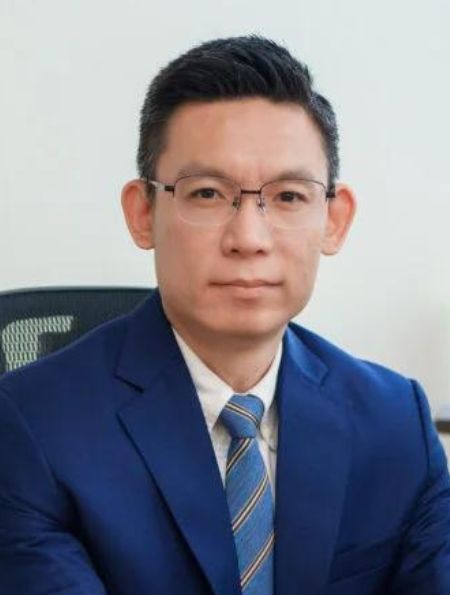
Dr Tan Wee Boon
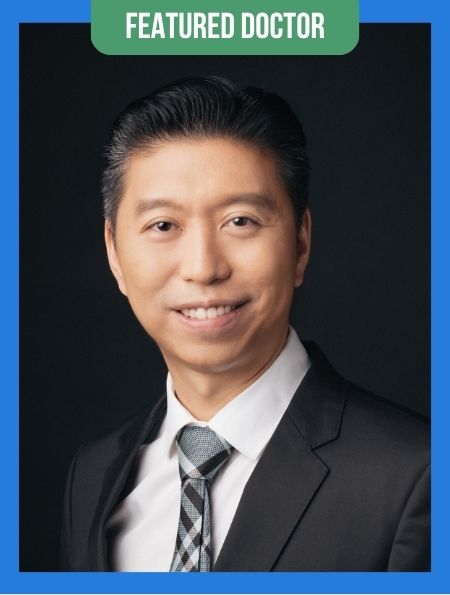
[SG] Featured Doctor- Dr Kevin Koo
Watch Interview Video: Dr Tan Wee Boon explains thyroid conditions and their symptoms
Frequently Asked Questions (FAQs)
No, thyroid surgery is performed under general anaesthesia, so you will not feel pain during the procedure. Post-operative discomfort is usually mild and well managed with medication. Most patients resume normal activities within a week.
In Singapore, many thyroid surgeons use minimally invasive or cosmetic approaches, including small incisions placed in natural neck folds. Scars typically fade over time and become barely noticeable.
If a partial thyroidectomy is performed, the remaining thyroid tissue continues to function. However, once the entire gland is removed, it cannot regenerate. Lifelong hormone replacement will be necessary.
Thyroid Surgery In Singapore
Thyroid surgery is a safe and effective treatment for many thyroid conditions when performed by experienced specialists. Whether for thyroid nodules, goitres, or cancer, the goal is always to restore health, comfort, and peace of mind. If you notice changes in your neck or experience symptoms of thyroid dysfunction, do not ignore them. Seek professional evaluation early.
Contact UsBack To: Thyroid Health Main Page
All content on this site is informative only and is not intended to be a substitute for professional medical advice, diagnosis, or treatment, and should never be relied upon for specific medical advice. If you are experiencing a medical emergency, call 995 immediately or go to the nearest Accident & Emergency department.
health365.sg is a member of Group 365Asia.