

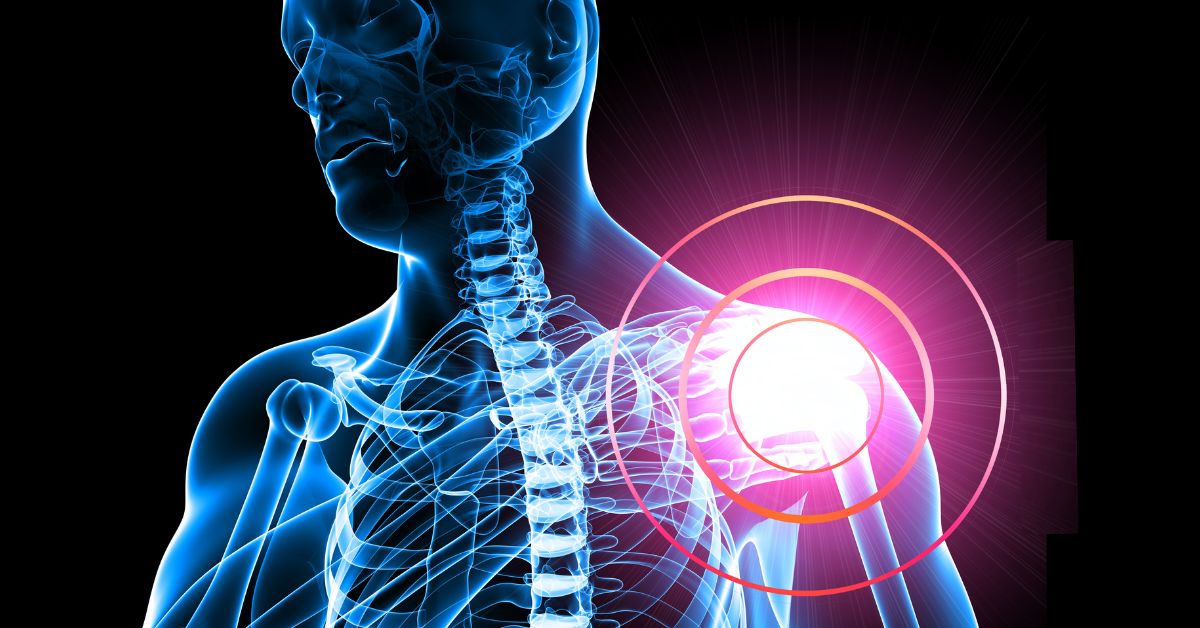
The shoulder is one of the most mobile joints in the human body, allowing a wide range of movement. However, this flexibility also makes it vulnerable to injury, degeneration, and overuse. Shoulder pain can range from mild discomfort to severe pain that interferes with daily activities, sleep, and work. Read on to learn why shoulder pain happens, how they are diagnosed, and the available treatment options.
Get A Consultation With An Orthopaedic Doctor
Contact MedicalTravel.asiaLearn more about upper limb orthopaedic health here.
How Common Is Shoulder Pain In Singapore?
Musculoskeletal conditions are among the leading causes of outpatient visits in Singapore. Healthhub reports that an estimated 33% of people will experience shoulder pain in their lifetime. There is also higher prevalence in individuals over 40. In Singapore’s ageing population, conditions such as frozen shoulder and rotator cuff disorders are particularly common, especially among individuals with diabetes, sedentary lifestyles, or repetitive overhead activities.
Shoulder pain is also a frequent cause of work absenteeism and reduced productivity, particularly among office workers, manual labourers, and athletes. In a study conducted by the Singapore General Hospital on the prevalence of musculoskeletal disorders among office workers in Singapore, it was found that of the respondents who reported experiencing pain in at least one of the body parts, the highest report of pain were neck (46%), shoulder (42%) and low back (42%). Musculoskeletal disorders were more common in female (79%) compared to male (64%).
Why Shoulder Pain Occurs
Frozen Shoulder (Adhesive Capsulitis)
Frozen shoulder is one of the most common reasons why shoulder pain occurs to people in Singapore, particularly among adults aged 40 to 60. It is characterised by progressive stiffness, pain, and restricted movement.
Key features include:
- Gradual onset of pain
- Significant limitation of shoulder movement
- Night pain affecting sleep
- Symptoms lasting several months to years
Frozen shoulder is more common in individuals with diabetes, thyroid disorders, or prolonged shoulder immobilisation. In Singapore, diabetes affects about 10% of adults, making frozen shoulder a frequent clinical issue.
Rotator Cuff Tears
The rotator cuff is a group of muscles and tendons that stabilise the shoulder joint. Tears may occur due to degeneration, overuse, or trauma.
Symptoms include:
- Pain when lifting or rotating the arm
- Weakness in the shoulder
- Difficulty with overhead activities
- Night pain, especially when lying on the affected side
Rotator cuff tears are common in adults over 50 and are increasingly seen in younger individuals involved in sports or heavy manual work.
Rotator Cuff Tendinopathy And Impingement
Rotator cuff tendinopathy occurs when rotator cuff tendons become inflamed or compressed during shoulder movement.
Typical symptoms:
- Pain with overhead or reaching movements
- Discomfort during daily activities
- Gradual onset without a clear injury
Poor posture, repetitive movements, and prolonged desk work are contributing factors, making this condition common among Singapore’s office-based workforce.
Shoulder Osteoarthritis
Osteoarthritis of the shoulder occurs due to wear and tear of joint cartilage. It is more common in older adults or individuals with previous shoulder injuries.
Symptoms include:
- Deep, aching pain
- Reduced range of motion
- Stiffness, particularly in the morning
- Grinding or clicking sensations
Shoulder Instability And Dislocations
Shoulder instability occurs when the joint is prone to slipping out of place. This is more common in younger individuals, athletes, and those with previous dislocations.
Symptoms may include:
- Recurrent dislocations
- Feeling of looseness or instability
- Pain during specific movements
Referred Pain From The Neck
Not all shoulder pain originates from the shoulder itself. Cervical spine issues such as disc degeneration or nerve compression can cause pain that radiates into the shoulder and arm.
Diagnosis Of Shoulder Pain
Accurate diagnosis is essential for effective treatment. Evaluation typically includes:
Clinical Assessment
- Detailed medical history
- Assessment of pain patterns and functional limitations
- Physical examination to assess range of motion, strength, and stability
Imaging Studies
- X-rays to assess bone structure, arthritis, or fractures
- Ultrasound for rotator cuff evaluation
- MRI scans for detailed assessment of soft tissue injuries, tendon tears, and cartilage damage
Imaging is usually recommended when symptoms persist despite conservative treatment or when surgery is being considered.
Treatment Options For Shoulder Pain
Conservative (Non-Surgical) Treatment
Most shoulder conditions improve with non-surgical management.
Physiotherapy
Physiotherapy is a cornerstone of shoulder pain treatment and focuses on:
- Improving mobility
- Strengthening shoulder muscles
- Correcting posture and movement patterns
Approximate cost in Singapore:
S$120–S$200 per session in private clinics
Medications
Pain relief and anti-inflammatory medications may be prescribed to manage symptoms, particularly during acute flare-ups.
Steroid Injections
Corticosteroid injections may be used to reduce inflammation and pain, especially in frozen shoulder or severe rotator cuff inflammation.
Approximate cost:
S$300–S$600 per injection (private healthcare)
Minimally Invasive Procedures
Some patients may benefit from image-guided injections or hydrodilatation for frozen shoulder, which involves stretching the joint capsule.
Surgical Treatment
Surgery is considered when conservative treatment fails or in cases of significant structural damage.
Arthroscopic Shoulder Surgery
Arthroscopic shoulder surgery is used for rotator cuff repairs, impingement relief, or joint stabilisation.
Approximate cost in Singapore:
S$25,000–S$35,000 (depending on complexity and hospital)
Shoulder Replacement Surgery
Recommended for severe arthritis or irreparable joint damage.
Approximate cost:
S$35,000–S$50,000 in private hospitals
What Is The Recovery And Prognosis For Shoulder Pain?
Recovery time varies depending on the condition and treatment approach:
- Frozen shoulder may take 12–24 months to fully resolve
- Rotator cuff surgery requires several months of rehabilitation
- Early diagnosis improves outcomes and reduces long-term disability
When To Seek Medical Attention
You should seek professional evaluation if you experience:
- Persistent pain lasting more than two weeks
- Significant movement restriction
- Night pain disrupting sleep
- Weakness or instability
- Pain following trauma or a fall
Early intervention can prevent progression and reduce recovery time.
Preferred (Orthopaedic) Doctors For Shoulder Pain Treatment
If you are looking for the best orthopaedic doctor for shoulder pain for your requirements, you can consider the following:
- Dr Kevin Koo is an orthopaedic surgeon with more than 20 years of experience, particularly in managing foot and ankle conditions as well as joint and sports-related problems. He combines minimally invasive techniques with evidence-based care, which may help patients recover function and return to activity more smoothly.
- Dr Bryan Wang is an experienced orthopaedic surgeon in Singapore known for his patient-centred approach, advanced minimally invasive techniques, and comprehensive management of complex shoulder conditions.




[SG] Featured Doctor- Dr Juanda Leo Hartono
Frequently Asked Questions (FAQs)
Some mild cases may improve with rest and activity modification. However, persistent or worsening pain should be evaluated to prevent long-term complications.
No. Many partial tears respond well to physiotherapy and conservative treatment. Surgery is usually reserved for full-thickness tears or cases with significant functional impairment.
Frozen shoulder typically progresses through stages and may take one to two years to fully resolve. Early treatment can help reduce pain and improve function.
Taking Care Of Your Shoulder Health
Shoulder pain can significantly affect quality of life, but effective treatments are available. Understanding the causes, recognising symptoms early, and seeking timely medical care are key to recovery. A personalised assessment by a healthcare professional can help determine the most appropriate treatment plan and support long-term shoulder health.
Contact MedicalTravel.asiaLearn more about upper limb orthopaedic health here.
All content on this site is informative only and is not intended to be a substitute for professional medical advice, diagnosis, or treatment, and should never be relied upon for specific medical advice. If you are experiencing a medical emergency, call 995 immediately or go to the nearest Accident & Emergency department.
health365.sg is a member of 365Asia.