


Dr Kevin Tay – Combining Oncologic Expertise With Community Compassion
As a Senior Consultant Medical Oncologist at OncoCare Cancer Centre, Dr Kevin Tay brings over 25 years of extensive clinical expertise to the forefront of oncology. Trained at the National University of Singapore and the prestigious National Cancer Institute (NCI/NIH) in Bethesda, Maryland, Dr Tay holds dual American Board certifications in Internal Medicine and Medical Oncology. His clinical practice encompasses a broad spectrum of complex cancers, delivering individualized, evidence-based care to patients navigating difficult diagnoses.
Dr Tay has in addition made significant contributions to oncology research. His scientific work focuses on translational oncology, early-phase clinical trials, and novel therapeutic strategies—bridging fundamental laboratory discoveries with clinical applications to improve patient outcomes.
Rooted in this strong foundation of clinical practice and scientific research, Dr Tay has long maintained a deep commitment to non-profit advocacy. In January 2024, he assumed the role of Chairman of Children’s Cancer Foundation (CCF), channelling his medical insights and research background into leading a mission that transforms the lives of young cancer patients and their families.
Transforming Childhood Cancer Support In Singapore
Founded to improve the quality of life for children fighting cancer, the Children’s Cancer Foundation has served as a beacon of hope for over 4,200 children and families. CCF adopts the Biopsychosocial-Spiritual (BPSS) model of care for CCF beneficiaries. This holistic approach takes into account the unique biological, psychological, social and spiritual factors that impact each individual’s subjective experiences and clinical outcomes.
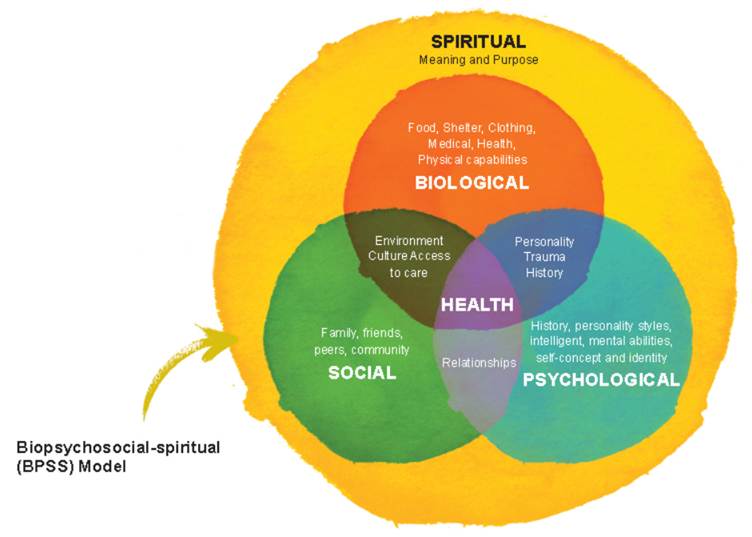
Image Source: Children’s Cancer Foundation
Under Dr Tay’s leadership, CCF works hand-in-hand with medical teams across hospitals to bridge inpatient care with home and community reintegration. CCF’s key initiatives include:
- Holistic Psychosocial Support: Dedicated social workers and child life therapists who guide families through diagnosis, surgery, and chemotherapy.
- Community & School Reintegration: Programmes helping young survivors adjust back to mainstream schooling and supporting coping with long-term treatment side effects.
- Hair for Hope (HfH): CCF’s flagship head-shaving campaign symbolising community solidarity and raising vital funds for paediatric cancer services. HfH celebrated its 20th anniversary in 2023, when it set a Singapore Book of Records mark of 70,000 shaved heads over 20 years. Since its inception, the campaign has attracted approximately 80,000 shavees and raised $59 million in support of children and families impacted by childhood cancer.
Through research partnerships, community outreach, and compassionate care, Dr Tay and CCF continue to build a supportive ecosystem where no child faces cancer alone.
Leaving A Lasting Legacy
As CCF moves towards our long-term strategic vision of 1 CCF 2030, our aspiration is to become the leading centre of excellence in Childhood Cancer Survivorship. We want to enable every child and family not simply to survive cancer, but to truly thrive beyond it. Today, we are curing more children with cancer than ever before, and that is something we should be deeply grateful for. But I believe our responsibility cannot end when treatment ends. Survival is not the finish line. We want every child who has faced cancer to be able to return to school, pursue their dreams, build meaningful relationships and eventually grow into confident, independent adults who can contribute fully to society. Cancer may have shaped part of their childhood, but it should not define the rest of their lives.
This is where I believe CCF has an important and enduring role to play. I want CCF to be the trusted place that every child with cancer and every family knows they can turn to, from diagnosis and treatment through survivorship and the years beyond. We want to be the bridge between the hospital, healthcare professionals and the wider community, working closely with schools, social service agencies, charities and other partners to give our beneficiaries the support and opportunities they need to rebuild their lives. Ultimately, my hope is that when people in Singapore think of childhood cancer, CCF is the first name that comes to mind, a name families trust and a community they know will stand beside them. As treatments and outcomes continue to improve, CCF must evolve too. Our success should be measured not only by how many children survive cancer, but by how well they go on to live. Our role is to help them rediscover their strengths, find purpose, fulfil their potential and build lives defined not by cancer, but by who they choose to become.
Dr Kevin Tay
10 Questions for Dr Kevin Tay: Inside Children’s Cancer Foundation
The following questions explore Dr Kevin Tay’s personal motivations, oncology research, societal insights on cancer care, and strategic vision for CCF:
1. What initially inspired you to pursue a career in oncology, and what motivated you to step up as Chairman of the Children’s Cancer Foundation?
Answer: My journey into oncology really began when I was a junior doctor in the 1990s. A senior doctor, who later became an important mentor to me, roped me in to volunteer as a home hospice doctor. At the time, home hospice care was still in its early days in Singapore, and it was my first real exposure to caring for patients with advanced cancer outside the hospital.
There was one patient I still remember very clearly. He had terminal lung cancer and regularly attended our day-care programme. Despite knowing that his time was limited, he was always the life of the party, jovial, encouraging and constantly lifting the spirits of everyone around him. As a young doctor, I found that incredibly inspiring. Here was someone facing the end of his own life, yet still finding joy and giving strength to others. He taught me something that has stayed with me throughout my career, that even when we cannot cure someone, there is still so much we can do as doctors. We can still care, bring comfort, preserve dignity, and to help someone continue to find meaning in life.
At about the same time in the late 1990s and early 2000s, that was a fascinating period in cancer research. Our understanding of cancer biology was advancing rapidly, and we were beginning to see important scientific discoveries translate into new and more effective treatments. I became fascinated by these two very different but equally important sides of oncology, the science of understanding and treating cancer, and the art of caring for the person living with it. That combination of science and humanity was ultimately what drew me to become an oncologist, and it continues to inspire me today.
My journey with the Children’s Cancer Foundation grew from that same belief. Serendipitously, it was the same mentor who first introduced me to hospice care who later brought me to CCF. In many ways, it felt as though my journey had come full circle. Over the years, my involvement with CCF gave me a much deeper appreciation of the important work we do, but also helped me recognise where we could do more. The needs of our children and families continue to evolve, and I believe we must evolve with them.
Taking on the role of Chairman therefore felt like a natural extension of why I chose medicine and oncology in the first place. It gave me an opportunity to contribute beyond my work as a doctor, not only to support children and families through their cancer journey, but also to help shape how CCF can better serve them in the years ahead. For me, it is about building a strong and caring community around every child and family, strengthening the support available to them, and ensuring that as their needs change, we continue to be there for them in ways that truly make a difference.
2. Why is a holistic biopsychosocial-spiritual approach essential when treating paediatric cancer patients compared to adult oncology care?
Answer: A child diagnosed with cancer is still developing physically, emotionally, and socially. Treatment may happen during some of the most formative years of their life, so we cannot look only at the disease or the medical outcome. We also need to consider what treatment means for their development, education, emotional wellbeing, relationships, and sense of identity.
The family is also an integral part of this journey. Parents may experience tremendous emotional and practical pressures, while siblings can also be affected by changes in routines and family dynamics. A holistic approach therefore recognises the child within this larger ecosystem. Medical treatment is essential, but so are psychological, social and, where relevant to the individual and family, spiritual sources of support. The aim is not simply to treat cancer, but to care for the whole child and the people journeying alongside them.
3. Childhood cancer affects the entire household. How do CCF’s counselling and family programs support parents and siblings throughout the diagnosis and recovery journey?
Answer: When a child is diagnosed with cancer, the impact is rarely confined to that child. Parents suddenly have to navigate medical decisions, caregiving responsibilities, work and financial concerns, while trying to manage their own emotions. Siblings may experience changes at home, less time with their parents or feelings that they may not always know how to express.
This is why CCF takes a family-centred approach. Through counselling, casework, and other psychosocial support, we journey with families according to their individual needs. This includes creating spaces for parents and caregivers to receive support, as well as recognising the needs of siblings. Sometimes, families may not even realise how much support they themselves need because understandably, their attention is centred on the child undergoing treatment. Our role is to look at the family as a whole and help ensure that no member of the family feels forgotten along the way.
4. How does CCF collaborate with hospital medical teams to ensure seamless continuity of care from bedside treatment to home recovery?
Answer: Continuity is particularly important because a child’s needs do not begin and end within the hospital. CCF works within the broader childhood cancer care ecosystem, complementing the work of medical teams with psychosocial support for children and families.
Having support within the hospital environment also allows us to understand the needs of children and families while they are undergoing treatment. As they transition back into the community, those needs can evolve. A child may require support returning to school, adjusting socially or emotionally, or navigating longer-term effects after treatment. By working alongside healthcare and community partners, we can help make that transition less fragmented and ensure families know that support remains available beyond the hospital.
5. Hair for Hope has become an iconic movement in Singapore. How has this initiative evolved over the past two decades, and what does it mean for young patients undergoing chemotherapy?
Answer: Hair for Hope began in 2003 with a very simple but powerful act: shaving in solidarity with children who may lose their hair as a result of cancer treatment. Over the years, it has grown into a nationwide movement involving individuals, schools, corporations, and community groups across Singapore.
But the heart of Hair for Hope has remained the same. Hair loss can be one of the most visible signs that a child is undergoing cancer treatment. By choosing to shave, members of the community help shift the conversation from appearance to solidarity and understanding. The message we hope every child receives is: you are not alone, and there is an entire community standing with you.
What has been especially encouraging over the years is seeing different generations and communities embrace that message. Hair for Hope is no longer simply an event; it has become a platform through which Singaporeans can learn more about childhood cancer, challenge misconceptions and demonstrate empathy in a very visible way.
6. As survival rates for childhood cancer improve, what support systems does CCF provide for youth survivors managing long-term side effects into adulthood?
Answer: Improving survival is something we should celebrate, but survivorship brings a different set of needs that we must be prepared to address. Depending on their disease and treatment, survivors may experience longer-term physical, cognitive, emotional, or psychosocial effects. They may also encounter challenges relating to education, employment, relationships, and their transition into adulthood.
CCF therefore sees survivorship as a continuation of the childhood cancer journey rather than simply an endpoint after treatment. Our programmes support survivors in areas such as wellness, social connection, and personal development, while providing opportunities for them to explore their interests, build confidence and connect with others who may share similar experiences.
Increasingly, we are also looking at wellness holistically – encompassing physical, mental, and emotional wellbeing. As more children survive cancer and grow into adulthood, our support must evolve alongside them. The question is no longer only, “How do we help a child survive cancer?” but also, “How do we help that child thrive after cancer?”
7. From your oncology practice, what notable shifts are you observing in Asian cancer demographics, and what broader public health strategies are needed to improve early detection at a societal level?
Answer: One of the most notable shifts we are seeing is that cancer is no longer predominantly a disease of older age. This is a global phenomenon, but it is increasingly evident across Asia as well. We are seeing more cancers being diagnosed in people in their 30s and 40s, particularly colorectal and breast cancers, and that has important implications for how we think about prevention, screening, and public awareness.
At a societal level, earlier detection requires more than simply offering more tests. We need to improve cancer literacy so that people recognise warning symptoms and seek medical attention earlier, reduce barriers to accessing primary care and diagnostic services. We also want to make sure that those at higher risk, for example because of a strong family history or inherited cancer predisposition, are identified and screened appropriately. Screening programmes also need to remain evidence-based and targeted towards cancers where early detection has been shown to improve outcomes, rather than simply testing everyone for everything.
But I think the more important conversation is actually about prevention. We sometimes focus so much on finding cancer earlier that we forget the best cancer is still the one that never develops. Current WHO estimates suggest that roughly four in ten cancer cases globally are linked to preventable causes. Tobacco remains the largest contributor, but excess body weight, physical inactivity, alcohol, unhealthy diet, infections such as HPV and hepatitis, and environmental exposures all matter.
So, the real public health strategy has to begin much earlier in life. It means creating an environment that makes healthier choices easier such as reducing tobacco use, encouraging physical activity and healthy weight, improving nutrition, limiting alcohol exposure, and maintaining strong vaccination programmes against HPV and hepatitis B. In Asia, infection-related cancers remain particularly relevant, and prevention through vaccination and infection control can have a very substantial impact.
Ultimately, I think we need to shift the mindset from “How do we find cancer earlier?” to “How do we reduce the chance of cancer developing in the first place?” Early detection will always be an important part of cancer control, but prevention is where we have the greatest opportunity to change the cancer burden for the next generation. If we can combine prevention, appropriate risk-based screening and rapid access to diagnosis, we will not only detect cancers earlier but we may prevent a significant proportion of them altogether.
8. Breakthroughs in targeted therapies and immunotherapies are rapidly changing cancer treatment. From a societal and economic perspective, how are these scientific advancements transforming long-term survival and quality of life for patients, especially for the paediatric patients?
Answer: The advances we are seeing in cancer treatment are truly remarkable. Targeted therapies and immunotherapies are allowing us to treat cancers with far greater precision, and in some cancers, we are achieving outcomes that would have been difficult to imagine even a decade or two ago. For some patients with advanced cancer, diseases that once carried a very limited prognosis can now be controlled for years. And for children with cancer, where cure rates for many cancers are already high, the next frontier is not simply about curing more children but curing them better.
That distinction is very important. A child who survives cancer may have another 60 or 70 years of life ahead. Some of our traditional treatments with chemotherapy, while highly effective, can leave long-term consequences affecting the heart, fertility, growth, cognition, or the risk of developing another cancer later in life. If newer targeted treatments and immunotherapies can achieve the same or better cure rates while reducing some of these long-term toxicities, the impact extends far beyond the immediate treatment of the cancer. It can potentially change the entire trajectory of that child’s life.
From a societal and economic perspective, that is enormously important. A child who is cured and remains well can return to school, pursue an education, enter the workforce, build relationships and families, and contribute to society for decades. It also reduces the long-term burden on parents, caregivers, and the healthcare system. So, when we assess the value of a new cancer treatment, particularly in children, we should not look only at the cost of the drug or whether it extends survival. We should also consider the quality and productivity of the years of life that treatment gives back.
Of course, these advances also bring significant challenges, as many of the newer treatments come at a very high cost. As science moves forward, we must ensure that the price of innovation does not become a barrier to patients accessing the treatments they need. That requires governments, healthcare systems, industry, and charities to think seriously about affordability, equitable access and how we define value in cancer care.
Ultimately, for me, the goal is not simply to add years to life, but to add life to those years. This is especially important for children. If we can cure a child of cancer, our responsibility should be to give that child the best possible chance of growing up healthy, fulfilling their potential and living a life that is not defined by the cancer they once had.
9. As cutting-edge clinical trials and personalised medicines advance, how can the medical and research communities ensure that emerging treatments remain accessible and equitable across different socio-economic groups?
Answer: This is a complex issue because equitable access goes well beyond the medical and research communities. As clinicians, our role is to generate good evidence, identify which patients are most likely to benefit, and advocate for our patients. But ultimately, this is also a question of health economics and how we allocate finite healthcare resources.
In Singapore, ensuring equitable access requires collaboration between the Ministry of Health, bodies such as the Agency for Care Effectiveness, healthcare institutions and the pharmaceutical industry. This includes negotiating sustainable drug prices, assessing which treatments provide meaningful clinical benefit and value, and providing government funding and financial assistance to help patients afford costly treatments. Charities such as the Singapore Cancer Society and Children’s Cancer Foundation can also complement these efforts by working alongside the healthcare system to provide additional financial and practical support for patients and families where gaps remain.
Ultimately, we need to strike a careful balance between encouraging innovation, maintaining a sustainable healthcare system and ensuring that access to effective treatment is not determined simply by a patient’s ability to pay. Medical innovation can only fulfil its true promise when we find sustainable ways to make these advances accessible to the patients who need them.
10. Looking ahead, what are your key priorities for expanding CCF’s outreach, resources, and impact for children and families impacted by childhood cancer in Singapore?
Answer: My hope is for CCF to continue evolving alongside the children and families we serve. As outcomes improve and more children become long-term survivors, our role must extend beyond supporting families through diagnosis and treatment to helping them navigate recovery, survivorship, and adulthood.
This is an important part of our direction under 1 CCF 2030. We want to strengthen a holistic and integrated model of support that considers the child and family throughout the entire journey, with greater emphasis on survivorship and physical, mental, and emotional wellness. We also want to deepen partnerships across healthcare, schools, social services, and the wider community, because no single organisation can meet every need of a child and family alone.
Ultimately, I hope we reach a point where overcoming childhood cancer means more than survival. Every child should have the opportunity to return to the things that make childhood meaningful, pursue their aspirations and grow into adulthood with confidence and hope. As their journeys change, CCF must continue to change with them, ensuring that no child or family has to walk the journey alone.
Back to: A Lifetime In Medicine Main Page
Read: Community Rallies At Hair for Hope 2026 To Stand With Children Fighting Cancer
Also Featured In A Lifetime In Medicine

Know of a doctor or personality in the healthcare & medical field deserving of being honoured for their lifetime of work in medicine? Contact Group 365Asia with your suggestion.
All content on this site is informative only and is not intended to be a substitute for professional medical advice, diagnosis, or treatment, and should never be relied upon for specific medical advice. If you are experiencing a medical emergency, call 995 immediately or go to the nearest Accident & Emergency department.
health365.sg is a member of Group 365Asia.