


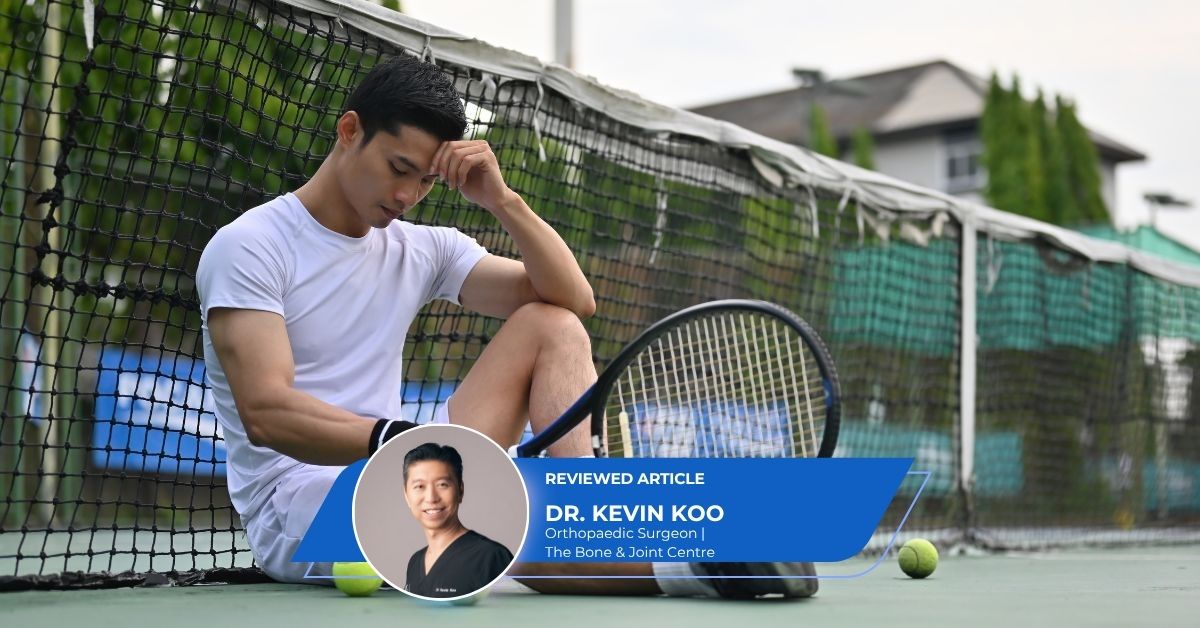
In the vibrant sports culture of Singapore, racket sports such as badminton, tennis, and squash are immensely popular across all age groups. However, the explosive movements, sudden lunges, and rapid changes in direction required by these sports place significant stress on the lower limbs. One of the most severe injuries an athlete can face in this environment is an achilles tendon rupture. This injury is often sudden, painful, and requires a structured approach to rehabilitation to ensure a safe return to the court.
Contact UsBack To: Bone And Orthopaedic Health Main Page
Understanding The Achilles Tendon Rupture
The achilles tendon is the largest and strongest tendon in the human body. It connects the calf muscles (gastrocnemius and soleus) to the heel bone (calcaneus). This powerful structure is essential for walking, running, and jumping, as it allows the foot to push off the ground. An achilles tendon rupture occurs when the tendon fibres are stretched beyond their capacity, leading to a partial or complete tear.
While the tendon is built to withstand high loads, it has a relatively poor blood supply, especially in the section a few centimetres above the heel bone. This biological limitation makes it susceptible to injury and can result in a slower healing process compared to other soft tissues.
Why It Is Known As The “Badminton Injury” In Singapore
In Singapore, the achilles tendon rupture is frequently referred to by medical professionals as a “badminton injury.” This informal title stems from the high incidence of the condition among recreational badminton players. The sport requires frequent explosive jumping and rapid lunging to reach the shuttlecock, which places immense eccentric load on the Achilles tendon.
Most individuals affected are “weekend warriors”—active adults who may not engage in regular conditioning but participate in high-intensity matches over the weekend. As individuals age, the tendon naturally loses some of its elasticity. When an unconditioned tendon is subjected to the high-intensity demands of a competitive match, the risk of a rupture increases significantly.
Differentiating Between Tendinopathy And A Complete Rupture
It is important for athletes to distinguish between chronic tendon issues and an acute rupture.
- Achilles Tendinopathy: This is a chronic condition characterised by gradual pain and stiffness. It is an overuse injury where the tendon undergoes degenerative changes rather than a sudden break.
- Achilles Tendon Rupture: This is an acute event. It happens instantaneously, often without any prior warning or history of tendon pain. Unlike tendinopathy, which may allow for continued movement with discomfort, a rupture typically results in an immediate loss of function.
Signs And Symptoms Of An Acute Tear
The experience of an achilles tendon rupture is quite distinct. Most patients describe a sensation of being kicked or struck in the back of the lower leg, even when no one is near them. Common signs include:
- An audible “pop” or “snap” at the time of the injury.
- Sudden and severe pain at the back of the ankle or calf.
- A visible gap or depression in the tendon above the heel bone.
- Inability to “point the toes” or push off properly when walking.
- Rapid swelling and eventual bruising around the ankle.
If you suspect a rupture, it is vital to seek medical attention immediately. Early immobilisation is key to preventing the tendon ends from retracting further.
Non-Surgical Versus Surgical Management
The treatment for an achilles tendon rupture has evolved over the years. Modern medicine offers two primary pathways: non-surgical functional rehabilitation and surgical repair.
Non-Surgical Management
This approach involves immobilising the foot in a series of casts or specialised walking boots that gradually bring the foot back to a neutral position. This allows the tendon ends to heal naturally. This method is often preferred for patients with certain medical contraindications to surgery or those with lower physical demands.
Surgical Management
For active individuals and athletes in Singapore, surgery is frequently recommended. The surgeon stitches the torn ends of the tendon back together. This approach typically offers a lower rate of re-rupture and may allow for a more aggressive rehabilitation programme. Minimally invasive techniques are often used to reduce the risk of wound complications.
The Recovery Journey And Returning To Racket Sports
Recovery from an achilles tendon rupture is a long-term commitment. Regardless of whether a patient chooses surgery or conservative management, the rehabilitation process usually spans six to nine months. The initial phases focus on protecting the repair and regaining a range of motion. Subsequent phases involve progressive calf strengthening and balance training. Returning to racket sports requires passing specific functional tests, such as the ability to perform repeated single-leg heel raises. Skipping steps in rehabilitation increases the risk of a devastating re-injury. To prevent future issues, players should ensure they warm up thoroughly and incorporate regular calf-strengthening exercises into their weekly routine.
Contact UsBack To: Bone And Orthopaedic Health Main Page

This medical content has been reviewed by Dr Kevin Koo, an orthopaedic surgeon with more than 20 years of experience, particularly in managing foot and ankle conditions as well as joint and sports-related problems. He combines minimally invasive techniques with evidence-based care, which may help patients recover function and return to activity more smoothly.
All content on this site is informative only and is not intended to be a substitute for professional medical advice, diagnosis, or treatment, and should never be relied upon for specific medical advice. If you are experiencing a medical emergency, call 995 immediately or go to the nearest Accident & Emergency department.
health365.sg is a member of Group 365Asia.