


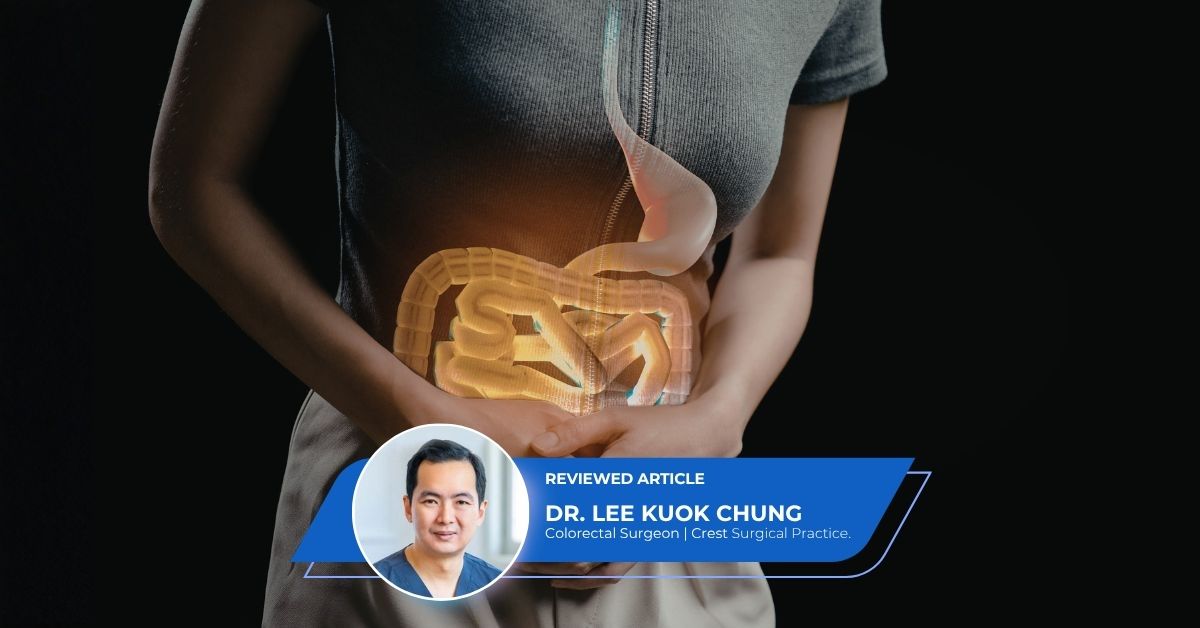
Advancements in medical imaging and minimally invasive surgery have transformed how digestive diseases are diagnosed and treated. One of the most significant developments in this field is the use of advanced endoscopy procedures in Singapore. These techniques are often preferred for their precision, safety, and quicker recovery times.
In this article, we explore what advanced endoscopy procedures are, when they are needed, what types exist, their benefits and limitations, and what alternative options patients might consider.
Get An Appointment With A Surgeon For Endoscopy
Contact UsBack To: Colorectal Cancer & Other Conditions Main Page
What Are Advanced Endoscopy Procedures?
Advanced endoscopy procedures go beyond standard diagnostic endoscopy. While traditional endoscopy allows doctors to view the gastrointestinal (GI) tract using a thin, flexible tube equipped with a camera, advanced endoscopic techniques enable physicians not only to visualise but also to treat conditions within the GI tract without open surgery.
These procedures are performed using specialised tools and high-definition imaging systems that can remove growths, stop bleeding, or open blocked pathways. These methods are particularly useful for removing complex or large polyps that would otherwise require surgical removal.
Common advanced endoscopic procedures include:
- Endoscopic Polypectomy: Removes polyps, which can be precancerous or benign growths, without major surgery. Techniques include:
- Endoscopic Mucosal Resection (EMR): Removes superficial lesions from the GI tract.
- Endoscopic Submucosal Dissection (ESD): Enables en bloc removal of larger or deeper lesions.
- Endoscopic Ultrasound (EUS): Combines endoscopy and ultrasound to visualise organs and structures near the GI tract.
When Are Advanced Endoscopy Procedures Needed?
Advanced endoscopy procedures in Singapore are typically recommended when non-invasive imaging (like CT or MRI scans) reveals abnormalities in the digestive tract that need closer evaluation or treatment. They are also used when polyps, tumours, or blockages are found during a standard endoscopy or colonoscopy.
Conditions where advanced endoscopy is indicated include:
- Detection or removal of large or complex polyps in the colon or stomach.
- Treatment of early-stage gastrointestinal cancers without major surgery.
- Control of bleeding ulcers or varices in the stomach or oesophagus.
Patients are often referred to advanced endoscopy specialists when standard techniques are insufficient or when precision and minimally invasive methods are preferred for faster recovery.
What Are The Benefits Of Advanced Endoscopy Procedures?
Advanced endoscopy has numerous advantages:
- Minimally Invasive: No large incisions are required, reducing scarring and recovery time.
- Early Detection And Treatment: Allows for immediate removal or biopsy of suspicious tissue.
- Shorter Hospital Stay: Many procedures are performed on a day-surgery basis.
- Reduced Complications: Compared to open surgery, there is a lower risk of infection and bleeding.
- Precision: High-resolution imaging provides detailed visualisation, enabling accurate diagnosis and treatment.
Patients often return to normal activities within a few days, making these procedures especially appealing for working adults and elderly patients seeking less invasive care.
Are There Any Risks Or Limitations?
Although advanced endoscopy procedures are generally safe, they are not totally without risks. The potential complications vary depending on the type of procedure but can include:
- Bleeding: Particularly after polyp removal or tissue dissection.
- Perforation: Rare but possible, where a small tear occurs in the GI wall.
- Infection: Uncommon but may occur if bacteria enter the bloodstream.
- Incomplete Removal: Some complex lesions may require repeat procedures or surgery.
What Are The Alternatives To Advanced Endoscopy?
In certain cases, alternative treatments may be considered, depending on the patient’s condition and overall health. These include:
- Conventional Surgery: For very large or deeply invasive tumours, open or laparoscopic surgery may still be required.
- Medical Therapy: Some ulcers, infections, or inflammatory conditions can be treated with medications alone.
However, the key advantage of advanced endoscopy is that it bridges the gap between diagnosis and treatment—offering both precision and minimally invasive intervention in one procedure.
How To Prepare For An Advanced Endoscopy Procedure?
Preparation typically involves fasting for several hours before the procedure and possibly bowel cleansing if the colon is being examined. Patients should inform their doctor of any medications, allergies, or medical conditions. Sedation or anaesthesia is commonly administered to ensure comfort.
After the procedure, patients are monitored until the effects of sedation wear off. Most can return home the same day, although it’s advisable to arrange for someone to accompany them.
Frequently Asked Questions (FAQs)
Depending on complexity, procedures can take between 30 minutes to two hours. More intricate interventions such as ESD may require longer.
No. Sedation or anaesthesia is provided to ensure patient comfort throughout the procedure. Mild discomfort such as bloating or a sore throat may occur temporarily afterwards.
Most patients can resume normal activities within 24–48 hours, depending on the procedure and the doctor’s advice.
Get An Appointment With A Specialist On Advanced Endoscopy Procedures
Advanced endoscopy procedures in Singapore provide safer, faster, and more effective solutions for gastrointestinal conditions. With experienced specialists and world-class medical facilities, patients can access these cutting-edge techniques confidently and comfortably.
Contact UsBack To: Colorectal Cancer & Other Conditions Main Page
This medical content has been reviewed by Dr Lee Kuok Chung, a highly experienced colorectal surgeon specialising in minimally invasive and robotic surgery for colorectal cancer and complex perianal conditions. He is also one of the few surgeons in Singapore skilled in advanced endoscopic techniques such as EMR and ESD, allowing large polyps and early cancers to be removed without major surgery.
All content on this site is informative only and is not intended to be a substitute for professional medical advice, diagnosis, or treatment, and should never be relied upon for specific medical advice. If you are experiencing a medical emergency, call 995 immediately or go to the nearest Accident & Emergency department.
health365.sg is a member of Group 365Asia.