

Colorectal Polyps: The Big Story

Colorectal Polyps: Should I Be Worried?
What Are Colorectal Polyps And Why Do They Matter?
Colorectal polyps are small growths that develop on the inner lining of the colon or rectum. While the majority of polyps are non-cancerous, certain types, known as adenomas, have the potential to evolve into colorectal cancer over several years.
In Singapore, colorectal cancer ranks as the second most common cancer in both males and females. Between 2019 and 2023, there were over 12,000 new cases diagnosed locally. Because polyps often do not cause noticeable symptoms in their early stages, they can grow undetected for a long period. Identifying and removing these growths before they become malignant is the most effective way to prevent colorectal cancer.
Are You At Risk Of Developing Colorectal Polyps?
The risk of developing polyps and subsequent colorectal cancer increases with age. While it is most common in individuals aged 50 and above, there has been a concerning 34% increase in cancer diagnoses for those under 40 in recent years.
Several factors can influence your risk profile:
- Age: Risk rises significantly after the age of 50.
- Family History: Having a close relative with colorectal polyps or cancer increases your likelihood of developing them.
- Lifestyle Factors: Diets high in processed meats and low in fibre, sedentary lifestyles, and smoking are linked to higher risk levels.
- Ethnicity: In Singapore, colorectal cancer incidence and mortality rates vary across different ethnic groups, with the Chinese community historically showing higher age-standardised rates compared to Malay and Indian communities.
What Symptoms Should You Look Out For?
Most colorectal polyps are asymptomatic, meaning they do not cause any signs or pain. However, as they grow larger or if they begin to change, some individuals may experience:
- Changes in bowel habits, such as persistent diarrhoea or constipation.
- Rectal bleeding or blood in the stool.
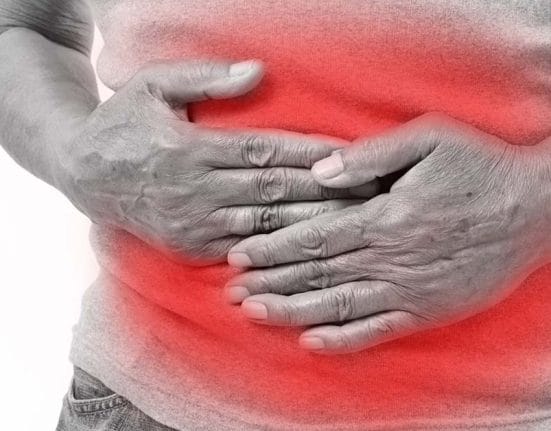
- Abdominal pain or cramping.
- Unexplained weight loss.
It is important to note that by the time symptoms appear, the condition may have already progressed. This is why screening is essential for early detection.
How Does Colonoscopy Help In Preventing Cancer?
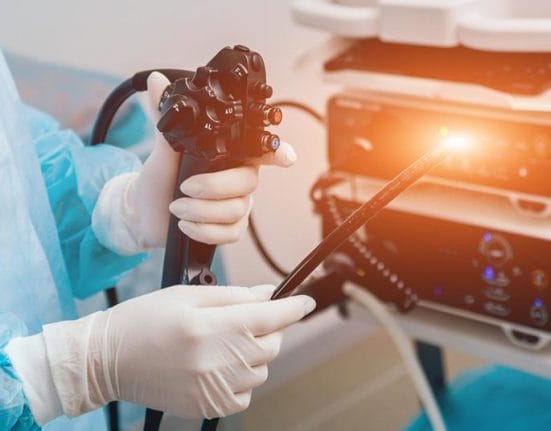
Colonoscopy is widely regarded as the gold standard for both the detection and prevention of colorectal cancer. During this procedure, a doctor uses a thin, flexible tube with a camera to examine the entire length of the colon.
The primary advantages of a colonoscopy include:
- Detection: It allows for the identification of even small polyps that might be missed by other tests.
- Prevention: If a polyp is found, the doctor can often remove it immediately during the procedure (polypectomy), effectively eliminating the risk of the polyp turning into cancer.
- Biopsy: Small tissue samples can be taken to determine if a polyp is precancerous or benign.
Despite the effectiveness of screening, participation rates in Singapore remain lower than ideal. Recent data indicates that only 44.9 per cent of the eligible population goes for colorectal cancer screening.
What Are The Current Trends Of Colorectal Cancer In Singapore?
The Singapore Cancer Registry Annual Report 2023 highlights that the age-standardised incidence rate (ASIR) for colorectal cancer in males has increased substantially since the late 1960s. While survival rates have improved due to better treatments and earlier detection, the “screening gap” remains a critical issue.
A significant portion of colorectal cancer cases in Singapore are still diagnosed at later stages. Between 2019 and 2023, over 58% of colorectal cancer cases were diagnosed at Stage s III or IV. Early detection through the removal of polyps can shift these statistics towards better outcomes and higher survival rates.
Learn More About Colon Polyps, Colorectal Cancer And Colonoscopies
Comment: The row below to be moved to article for healthcare professionals article
Find A Doctor
Verified Healthcare Professionals
We connect you with a network of qualified and experienced doctors who specialise in chronic health conditions, health screening, and longevity.
Trusted Information Source
We pride ourselves on providing accurate, up-to-date, and evidence-based information about each disease, its prevention, and treatment.
Privacy and Security
Your health information and personal data are paramount to us. We will protect your privacy throughout the booking process and beyond.
Convenience at Your Fingertips
Our user-friendly platform allows you to find and book appointments 24/7 from the comfort of your home.
Our Preferred Doctors You Can Consider
- Dr Juanda Leo Hartono is a Gastroenterologist with extensive training in inflammatory bowel disease, colorectal cancer and advanced endoscopy. Patients benefit from his evidence-based care and deep understanding of complex gastrointestinal and liver conditions.

Powered by Find by 365Asia


[SG] Featured Doctor- Dr Kevin Koo
Orthopaedic Surgeon In Singapore
Book An Appointment
Take a proactive step for your health and peace of mind today. If you wish to get an appointment with a specialist, our team is here to assist.
Financials
[findDoctor category="financial consultants" countries="Singapore" " limit="15"]
Related Content





FAQs On Colon Polyps, Colonoscopy & Colorectal Cancer
No, the majority of polyps found during screening are benign. However, because it is impossible to tell if a polyp will become cancerous just by looking at it, doctors typically remove all polyps found during a colonoscopy for safety and testing.
The progression from a precancerous polyp to colorectal cancer is a slow process that typically takes between 5 to 10 years, and sometimes up to 15 years. This slow growth is why regular screening intervals (every 5 to 10 years for average-risk individuals) are so effective.
Once a polyp is completely removed, it does not grow back. However, new polyps can develop in different parts of the colon over time. This is why patients who have had polyps removed are often placed on a more frequent surveillance schedule.
In Singapore, colonoscopies are typically performed under sedation. This means patients are asleep or in a state of “conscious sedation” and generally do not feel or remember the procedure. Most patients only report mild bloating or gas afterwards.
A Faecal Immunochemical Test (FIT) is a useful annual screening tool, but it only detects blood in the stool. Some polyps do not bleed and may be missed by a FIT. A colonoscopy is more comprehensive as it allows for direct visualisation of the colon lining.
Additional Resources
- Juanda Leo Gastroenterology & Liver Clinic | Preparing For A Colonoscopy
- Mayo Clinic | Colon Polyps
- HealthHub |Screening for Colorectal Cancer
- Cleveland Clinic | Polypectomy
.