

Diabetes – The Big Story

Diabetes: The Gateway Disease - The Big Story
Diabetes is a chronic condition in which the level of glucose (sugar) in the blood becomes too high. This is usually caused by problems with the production or action of insulin, which is a hormone made by the pancreas that helps regulate blood sugar levels.
When there is not enough insulin, or if the body cannot use it effectively, glucose remains in the bloodstream instead of being used by the body’s cells for energy.
What Causes Diabetes?
The root causes of diabetes depend on its type.
Type 1 Diabetes: The pancreas does not produce any insulin due to an immune reaction that attacks insulin-producing cells.
Type 2 Diabetes: The body becomes resistant to insulin, or the pancreas does not make enough insulin to meet the body’s needs. This can be due to genetic and lifestyle factors such as being overweight or physically inactive.
Prediabetes: Occurs when the blood glucose level is higher than normal but not high enough to be considered Type 2 diabetes.
Gestational Diabetes: This can develop during pregnancy due to hormonal changes that affect insulin action, and there are also rarer causes like certain genetic conditions, diseases of the pancreas, or the effects of specific medications.
The most common form of diabetes in Singapore is Type 2 diabetes.
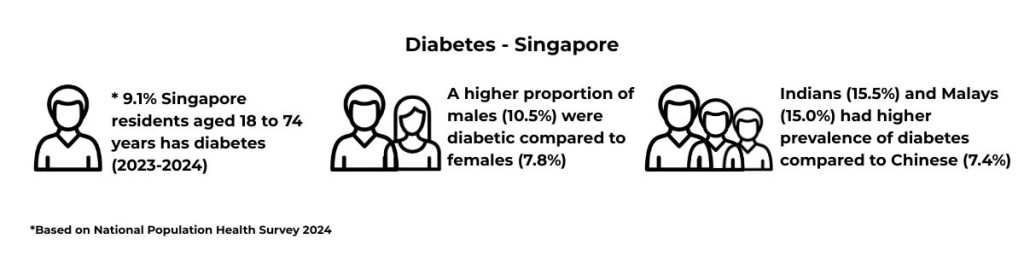
Diabetes Singapore Statistics
Based on the 2024 National Population Health Survey:
- About one in 11 (9.1%) Singapore residents aged 18 to 74 years had diabetes mellitus during the period 2023-2024.
- A higher proportion of males (10.5%) were diabetic compared to females (7.8%).
- Diabetes prevalence increased with age. The proportion of diabetics almost doubled with each successive age group, from 1.8% among those aged 30 to 39 years to about one in five among those aged 60 to 74 years.
- Indians (15.5%) and Malays (15.0%) had higher prevalence of diabetes compared to Chinese (7.4%)
What Are The Symptoms Of Diabetes?
The symptoms of diabetes can vary depending on the type but generally include:
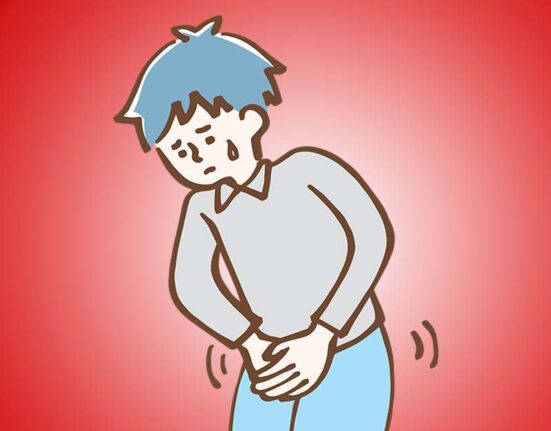
- Frequent urination, especially at night.
- Excessive thirst.
- Increased hunger even when eating normally.
- Unintended weight loss (more common in type 1 diabetes).
- Fatigue or feeling very tired.
- Blurred vision.
- Slow-healing wounds or sores.
- Numbness or tingling feelings in the hands or feet (common in type 2).
- Dry skin and frequent infections, such as gum, skin, or vaginal infections
In type 1 diabetes, symptoms tend to develop quickly over weeks or months and can be severe, sometimes including nausea or vomiting. Type 2 diabetes symptoms usually develop more gradually and may be mild or even unnoticed for years. Gestational diabetes often has no clear symptoms and is typically diagnosed during pregnancy screenings.
Diabetes Is A Gateway Disease - Why It Should Not Be Ignored
Prediabetes and diabetes should not be ignored because both conditions significantly increase the risk of serious health complications.
Prediabetes raises the chance of developing :
- Cardiovascular diseases e.g. heart attack, stroke.
- Chronic kidney disease.
- Certain cancers.
- Dementia.
Type 2 diabetes is know as a Gateway disease as it not only further escalates the above risks, but can also lead to additional serious complications including:
- Nerve damage.
- Eye damage and potential blindness.
- Fatty liver disease.
- High blood pressure.
Ignoring these conditions delays timely interventions, lifestyle changes or medical treatment. Early diagnosis and management are crucial for reducing the risks of mortality and severe disability associated with diabetes.
When To See A Doctor And How Is Diabetes Treated?
You should consult a doctor and get the necessary medical attention if you are experiencing symptoms (even if the symptoms to not seem to be too severe), or if health screenings show an elevated level of blood glucose.
Lifestyle Management
Lifestyle modification is the cornerstone of diabetes care. It includes:
- Healthy eating: Emphasising balanced meals with whole grains, lean proteins, fruits, and vegetables while reducing sugar and refined carbohydrates.
- Regular physical activity: At least 150 minutes of moderate exercise per week helps improve insulin sensitivity.
- Weight management: Maintaining a healthy body weight can significantly reduce insulin resistance and blood sugar levels.
Lifestyle approaches are usually the first line of treatment for Type 2 diabetes and remain essential even when medications are introduced.
Medications (Oral and Injectable Non-Insulin Drugs)
hese are prescribed when lifestyle changes alone do not control blood sugar effectively. They include:
- Metformin: The most common first-line oral drug, which reduces glucose production in the liver and improves insulin sensitivity.
- Sulphonylureas and DPP-4 inhibitors: Help stimulate insulin release from the pancreas.
- SGLT2 inhibitors: Aid in removing excess glucose through the urine and offer heart and kidney protection.
- GLP-1 receptor agonists: Injectable drugs (e.g., liraglutide, semaglutide) that mimic natural hormones to enhance insulin secretion, suppress appetite, and support weight loss.
These medications may be used individually or in combination, depending on blood sugar levels and patient needs.
Surgery
When the body cannot produce enough insulin (Type 1 diabetes, or advanced Type 2 diabetes), insulin injections become necessary.
There are several types of insulin, categorised by how quickly they act:- Rapid-acting (taken with meals)
- Intermediate-acting (for background control)
- Long-acting (provides steady levels throughout the day)
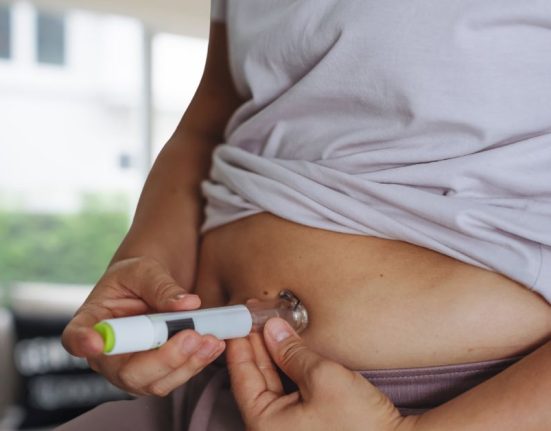
Insulin can be delivered via injections or insulin pumps, and doses are carefully adjusted to each individual’s lifestyle, diet, and blood glucose monitoring results.
Learn More About Diabetes
Comment: The row below to be moved to article for healthcare professionals article
Find A Doctor
Verified Healthcare Professionals
We connect you with a network of qualified and experienced doctors who specialise in chronic health conditions, health screening, and longevity.
Trusted Information Source
We pride ourselves on providing accurate, up-to-date, and evidence-based information about each disease, its prevention, and treatment.
Privacy and Security
Your health information and personal data are paramount to us. We will protect your privacy throughout the booking process and beyond.
Convenience at Your Fingertips
Our user-friendly platform allows you to find and book appointments 24/7 from the comfort of your home.
Our Preferred Doctors You Can Consider For Diabetes Management Or Treatment:

Book An Appointment
Take a proactive step for your health and peace of mind today. If you need to see an endocrinologist regarding diabetes symptoms, our team is here to assist.
Financials
[findDoctor category="financial consultants" countries="Singapore" " limit="15"]
Related Content






FAQs - Test Your Knowledge About Diabetes
You may be at higher risk of developing diabetes if you:
- Have a family history of diabetes
- Are overweight or obese, especially with excess fat around the abdomen
- Lead a sedentary lifestyle with little physical activity
- Have high blood pressure or cholesterol
- Experienced gestational diabetes during pregnancy
- Are aged 40 or above, particularly among Singapore’s Malay and Indian communities, who are at higher genetic risk
There are three primary types:
- Type 1 diabetes: An autoimmune condition in which the body destroys insulin-producing cells. Usually diagnosed in childhood or adolescence and requires insulin injections.
- Type 2 diabetes: The most common form, often associated with obesity and lifestyle factors. The body becomes resistant to insulin or produces too little of it.
- Gestational diabetes: Occurs during pregnancy and usually resolves after delivery, though it raises future risk of Type 2 diabetes.
Treatment depends on the type and severity of diabetes but often includes:
- Lifestyle management: A balanced diet, regular physical activity, and maintaining a healthy weight.
- Oral medications: Such as metformin, which helps control blood sugar levels.
- Insulin therapy: For individuals who cannot manage with tablets alone.
- Newer injectable options, including GLP-1 receptor agonists, which not only improve blood sugar control but can also aid in weight loss and heart protection.
GLP-1 receptor agonists (such as semaglutide) mimic the effects of the body’s natural GLP-1 hormone, which stimulates insulin release, reduces appetite, slows digestion, and lowers blood sugar levels after meals.
In Singapore, these medications are available by prescription and are increasingly used for Type 2 diabetes management and weight control, under a doctor’s supervision.
While Type 1 diabetes cannot be prevented, Type 2 diabetes can often be delayed or prevented through lifestyle changes.
Maintaining a healthy diet, engaging in regular exercise, and managing weight are the most effective ways to reduce risk. In some cases, early lifestyle changes combined with medical treatment may lead to remission, where blood sugar levels return to a healthy range without medication, though regular monitoring is still essential.
Additional Resources
- Diabetes Specialist In Singapore | Dr Daphne Lee Endocrine and Diabetes Medical Clinic
- Diabetes Singapore | Diabetes Singapore
- Let’s BEAT Diabetes | Health Hub
- Ozempic | Novo Nordisk
- Ozempic (semaglutide) injection mechanism of action | Novo Nordisk
- Diabetes In Singapore Channel | Health365
.