

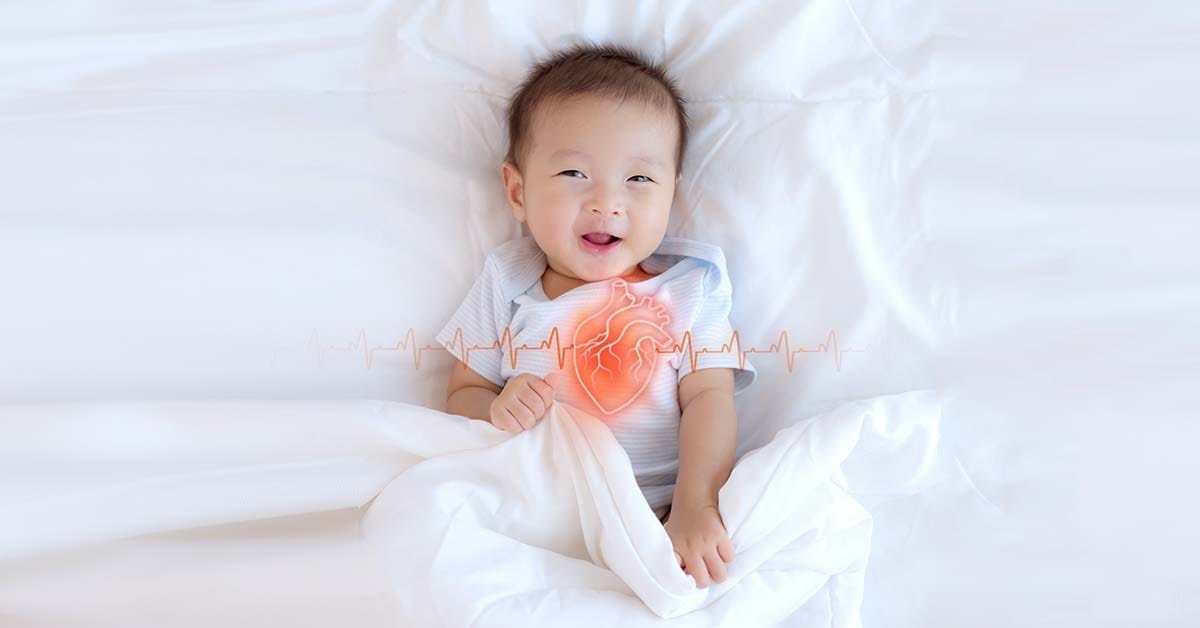
Congenital Heart Disease (CHD) refers to a group of structural abnormalities in the heart that are present from birth. These defects can affect the heart’s walls, valves, arteries, and veins, potentially disrupting normal blood flow. CHD can range from simple conditions that may not require treatment to complex malformations that demand surgery and long-term care. In Singapore, like many developed countries, CHD is the most common birth defect. With advancements in medical technology and early diagnosis, the outlook for children born with CHD has improved dramatically. This guide aims to provide an in-depth understanding of Congenital Heart Disease in Singapore, from causes and symptoms to treatment and support.
Seeking A Consultation With A Paediatric Cardiologist Or A Cardiologist For Adult CHD Issues?
Contact UsGet A Comprehensive Health Screening Package
Back To: Congenital Heart Disease Main Page
Congenital Heart Disease Singapore Statistics
CHD affects approximately 8 out of every 1,000 live births globally, and Singapore’s incidence mirrors this global trend. About 0.81% of live births in Singapore are affected by CHD. With more babies surviving premature births and complex defects due to improvements in neonatal and surgical care, the number of individuals living with CHD into adulthood has also increased.
Ventricular septal defects (VSDs), atrial septal defects (ASDs), tetralogy of Fallot, Patent Ductus Arteriosus (PDA), and Coarctation of the Aorta are among the commonly diagnosed types in the country.
Causes Of Congenital Heart Disease & Risk Factors
The exact causes of many CHD cases are still not fully understood, but several risk factors have been identified:
- Genetic Abnormalities: Chromosomal disorders such as Down syndrome are often associated with CHD.
- Maternal Infections: Rubella and other viral infections during the first trimester can interfere with heart development.
- Environmental Exposure: Exposure to certain medications, alcohol, or uncontrolled diabetes during pregnancy.
- Family History: If one child has CHD, there is an increased risk for subsequent children.
- Maternal Age: Women over 35 have a slightly higher risk of giving birth to a child with CHD.
Symptoms Of Congenital Heart Disease
Contact UsThe symptoms of CHD vary depending on the severity of the condition. Mild defects may be asymptomatic and discovered later in life, while more serious conditions can present shortly after birth. Common signs include:
- Rapid breathing or breathlessness
- Fatigue and difficulty feeding (in infants)
- Poor weight gain
- Cyanosis (bluish tint to lips, fingers, or toes)
- Heart murmur detected via stethoscope
- Swelling in the legs, abdomen, or around the eyes
Early detection is key, as untreated CHD can lead to complications such as arrhythmias, heart failure, or pulmonary hypertension.
Screening & Prevention
Singapore hospitals typically conduct newborn screening for CHD using pulse oximetry and echocardiography when symptoms are suspected. Routine prenatal ultrasounds can also identify some major defects.
To reduce the risk of CHD:
- Pregnant women should attend all antenatal appointments
- Avoid alcohol and smoking
- Manage chronic illnesses like diabetes properly
- Ensure vaccinations are up to date (e.g., rubella)
- Take prenatal vitamins with folic acid
Genetic counselling may be recommended for couples with a family history of heart defects.
Congenital Heart Disease Treatments
Get An Appointment With A Paediatric Cardiologist
Contact UsTreatment for Congenital Heart Disease in Singapore depends on the type and severity of the condition. Options include:
1. Medications
Used to manage symptoms and help the heart function more efficiently. These include diuretics, beta-blockers, and ACE inhibitors.
2. Catheter-Based Procedures
Minimally invasive methods, such as device closures for ASDs and VSDs, are common and often preferred for less severe defects.
3. Open-Heart Surgery
Complex defects like Tetralogy of Fallot may require surgical repair within the first year of life.
4. Long-Term Follow-Up
Adults with CHD often require regular follow-up with a paediatric or adult congenital cardiologist to monitor heart function.
Living With Congenital Heart Disease In Adulthood
Thanks to advances in paediatric cardiology and surgical interventions, more than 85% of children born with congenital heart disease in Singapore now survive into adulthood. However, this growing population of adult survivors — often referred to as Adult Congenital Heart Disease (ACHD) patients — still face health risks that require lifelong monitoring and management.
Preferred Cardiologist: Dr Pinakin V Parekh
Explore Heart Screening Packages In 365Mall
Get A Comprehensive Health Screening Package
Likelihood Of Persistence Into Adulthood
While simple defects such as small atrial septal defects (ASDs) may close spontaneously or pose little risk after childhood, moderate to complex CHDs — including repaired tetralogy of Fallot, transposition of the great arteries, or Fontan circulation — can lead to long-term complications. These may include:
- Arrhythmias (irregular heart rhythms)
- Heart failure
- Pulmonary hypertension
- Valve dysfunction
- Exercise intolerance
- Risk of endocarditis (infection of the heart lining)
Up to 50% of ACHD patients may experience symptoms or require additional interventions in adulthood, especially if they had surgery early in life.
Health Tips For Adults With Congenital Heart Disease
If you’re an adult living with CHD — whether repaired or unrepaired — proactive health management is critical. Here are some essential guidelines:
1. Routine Cardiac Monitoring
See a cardiologist specialising in adult congenital heart disease at least once a year. Singapore’s National Heart Centre and NUH have dedicated ACHD clinics.
Explore Heart Screening Packages In 365Mall
Get A Comprehensive Health Screening Package
2. Exercise Safely
While physical activity is encouraged, certain heart defects may limit exercise tolerance. Always get a personalised exercise plan from your cardiologist.
3. Manage Lifestyle Risks
Avoid smoking, control cholesterol and blood pressure, and maintain a heart-healthy diet to reduce stress on your cardiovascular system.
4. Family Planning Support
Women with CHD should consult a cardiologist before pregnancy, as some heart conditions may pose significant maternal and foetal risks.
5. Prevent Infection
Some patients require antibiotic prophylaxis before dental work or surgery to prevent infective endocarditis.
6. Emotional And Mental Well-Being
Living with a chronic condition can be emotionally taxing. Support groups, mental health professionals, and family involvement are all vital.
Costs Of Congenital Heart Disease Diagnosis And Treatment
Singapore’s public healthcare system provides subsidies through schemes like MediSave, MediShield Life, and CHAS. However, costs can vary widely:
- Specialist Consultation & Diagnostics: S$100–S$500+
- Echocardiogram & Imaging: S$500–S$2,000+
- Catheterisation Procedures: S$5,000–S$15,000
- Open-Heart Surgery: S$20,000–S$40,000 or more
Private healthcare options may incur higher charges but offer shorter waiting times.
Contact Us For An Appointment
Worried your child may have a heart condition? Early diagnosis and treatment can make a life-changing difference. Our medical team can help connect you with a qualified paediatric cardiologist in Singapore.
Click the button below to schedule an appointment or get assistance now.
Contact UsFrequently Asked Questions (FAQs)
1. What Is The Most Common Congenital Heart Disease In Singapore?
The most common CHD in Singapore is ventricular septal defect (VSD), a hole in the wall separating the two lower chambers of the heart.
2. Can Congenital Heart Disease Be Cured?
Some mild defects may resolve on their own, while others can be corrected with surgery or managed long-term with medications and regular monitoring.
3. Is CHD Hereditary?
CHD can be influenced by genetics, especially in cases where multiple family members are affected, but environmental and maternal health factors also play a significant role.
4. How Early Can CHD Be Diagnosed?
Serious heart defects can often be detected during a routine prenatal scan between 18–22 weeks, or shortly after birth through screening and physical exams.
5. Are There Support Groups For Families Affected By CHD In Singapore?
Yes, groups like the Congenital Heart Association for Parents and Patients Support offer support for families affected by CHD.
By understanding the nature of Congenital Heart Disease in Singapore, recognising the symptoms, and seeking early medical intervention, affected children can lead fulfilling lives. With expert care, family support, and timely treatment, CHD is more manageable than ever before.
Preferred Cardiologist: Dr Pinakin V Parekh
Explore Heart Screening Packages In 365Mall
Get A Comprehensive Health Screening Package
Related Content
Back To: Congenital Heart Disease Main Page
All content on this site is informative only and is not intended to be a substitute for professional medical advice, diagnosis, or treatment, and should never be relied upon for specific medical advice. If you are experiencing a medical emergency, call 995 immediately or go to the nearest Accident & Emergency department.
health365.sg is a member of Group 365Asia.