

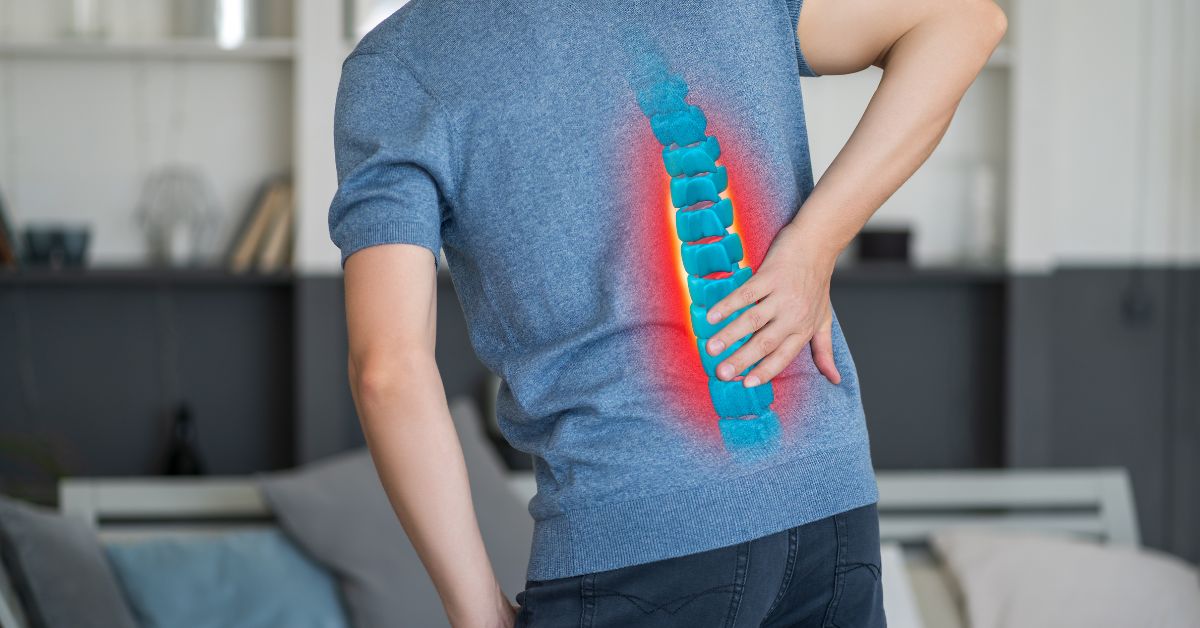
Osteoporosis is a systemic skeletal condition characterised by low bone mass and the micro-architectural deterioration of bone tissue. When this condition affects the vertebrae, it leads to enhanced spinal fragility and a significantly increased risk of compression fractures. Within the framework of exercise medicine, physical activity is utilised as a clinical intervention to improve bone mineral density and preserve the structural integrity of the spinal column.
Contact UsBack To: Exercise For Chronic Conditions Big Story
The Science Of Mechanical Loading For Bone Health
Bone is a dynamic, living tissue that adapts to the physical demands placed upon it. The biological process known as mechanotransduction explains how bone cells sense mechanical strain and convert it into biochemical signals that stimulate bone formation. For patients seeking effective exercises for osteoporosis of the spine, the objective is to apply controlled, axial loading through the vertebral column to encourage the deposition of essential minerals.
When the spine is subjected to weight-bearing forces, osteoblasts (the cells responsible for bone synthesis) become more active. Conversely, a lack of mechanical stimulus can lead to increased activity in osteoclasts, which break down bone tissue. By prescribing specific movements, a specialist in exercise medicine can tip this biological balance in favour of bone accumulation.
Weight-Bearing Aerobic Physical Activity
Weight-bearing exercises involve movements where the skeletal system works against gravity while the body remains upright. These activities are foundational for maintaining spinal health in the presence of low bone density. The impact from the ground travels up through the lower limbs and into the spine, providing the necessary stimulus for vertebral strengthening.
High-Impact Versus Low-Impact Options
While high-impact activities like jogging provide a greater osteogenic (bone-building) stimulus, they may not be suitable for patients with existing vertebral fractures or advanced degeneration. In a clinical setting, weight-bearing activities are categorised by the level of force they apply:
- Brisk Walking: Provides a steady, rhythmic load to the lumbar and thoracic spine. It is a safe entry point for most patients to build cardiovascular endurance alongside bone health.
- Stair Climbing: This increases the intensity of the gravitational load on the vertebrae and hips. The vertical movement requires more muscular engagement, which in turn applies more “pull” on the bone.
- Dancing Or Low-Impact Aerobics: These incorporate multi-directional movements, which are beneficial because bone responds best to varied loading patterns rather than repetitive, linear ones.
Resistance Training For Vertebral Protection
Resistance training is arguably the most critical component of a medical programme focusing on exercises for osteoporosis of the spine. By utilising external weights, resistance bands, or targeted body-weight movements, patients can strengthen the paraspinal muscles. Robust musculature acts as a functional support system for the spine, absorbing shocks and maintaining alignment.
Strengthening The Posterior Chain
The posterior chain consists of the muscles on the back of the body, including the erector spinae, latissimus dorsi, and gluteals. Strengthening these muscles creates a tension that pulls on the spinal processes, stimulating bone growth at the exact sites most prone to thinning.
- Back Extensions: These specifically target the muscles that keep the spine upright. By strengthening the erectors, patients can prevent the “forward slump” that increases the risk of wedge fractures in the thoracic spine.
- Scapular Retractions: These exercises focus on the upper back and shoulder blades. They are essential for maintaining an upright thoracic posture and counteracting kyphosis (rounding of the back).
- Modified Squats And Deadlifts: When performed with a “spinal neutral” technique, these compound movements train the body to handle loads using the legs and hips rather than the lower back, which is a vital skill for daily injury prevention.
Flexibility And Balance Training For Fall Prevention
While building bone density is a long-term goal, the immediate priority in managing spinal health is the prevention of falls. A fall for an osteoporotic patient can lead to catastrophic fractures. Exercises for osteoporosis of the spine must therefore incorporate balance and flexibility training.
Improving the body’s ability to sense its position in space significantly reduces the likelihood of stumbles. Balance exercises, such as standing on one leg or tandem walking, retrain the neurological pathways that control stability. Furthermore, improving the flexibility of the hip flexors and hamstrings allows for better pelvic alignment, which reduces the strain on the lumbar spine.
Safe Movement Mechanics And Precautions
In the context of osteoporosis, certain common exercises can actually be harmful. It is imperative to avoid:
- Spinal Flexion: Bending forward at the waist (such as traditional sit-ups or touching your toes) puts excessive pressure on the front of the vertebrae, which can cause compression fractures in brittle bone.
- Extreme Rotation: Rapid twisting of the torso can strain the vertebral architecture.
- High-Velocity Impacts: Jumping or jerky movements should only be introduced if the patient’s bone density and stability have reached a specific threshold.
Effective exercises for osteoporosis of the spine focus on “spinal neutral i.e. maintaining the natural curves of the back throughout every movement to distribute force evenly.
Preferred Doctors For Exercise Medicine For Osteoporosis Of The Spine



[SG] Featured Doctor- Dr Kevin Koo
Consultation For A Tailored Medical Exercise Plan
Given the complexities of bone health and the risks associated with improper movement, it is essential to consult a specialist qualified in exercise medicine.
Exercise medicine is a distinct clinical field where physicians use physical activity as a primary treatment for medical conditions. Unlike a general fitness trainer, an exercise medicine specialist is a medical doctor who understands the pathophysiology of osteoporosis. They can interpret your Bone Mineral Density (BMD) scores and Dexa scans to design a personalised regime of exercises for osteoporosis of the spine. By prescribing the correct “dosage” of exercise, they ensure your routine is safe, effective, and tailored to your specific skeletal needs.
Back To: Exercise For Chronic Conditions Big Story
All content on this site is informative only and is not intended to be a substitute for professional medical advice, diagnosis, or treatment, and should never be relied upon for specific medical advice. If you are experiencing a medical emergency, call 995 immediately or go to the nearest Accident & Emergency department.
health365.sg is a member of Group 365Asia.