

Obesity In Singapore – The Big Story

Obesity & Weight Loss In Singapore
Obesity is a health concern that is affecting increasingly more people in Singapore – adults and children alike. More than just a cosmetic concern, obesity is a complex, chronic disease that significantly increases the risk of other serious health conditions. These include diabetes, cardiovascular disease, certain cancers, and joint problems.
In this Big Story, we explore the scale of the problem in Singapore, what causes obesity, its health consequences, and the options available for prevention and treatment.
What is Obesity?
Obesity is defined as the excessive accumulation of body fat that presents a risk to health. The most commonly used measure is the Body Mass Index (BMI), which calculates body weight in relation to height.
In Singapore, the BMI cut-offs for Asians are lower than the international standard because research shows that health risks occur at a lower BMI for Asian populations:
- Normal weight: BMI 18.5 – 22.9
- Overweight (at risk): BMI 23 – 27.4
- Obese: BMI ≥ 27.5
Our body stores fat in two primary forms — subcutaneous fat and visceral fat.
- Subcutaneous fat is the fat located just beneath the skin. It is the “pinchable” fat we can see and feel.
- Visceral fat, however, is stored deep within the abdominal cavity, surrounding vital organs such as the liver, pancreas, and intestines. Because it isn’t visible from the outside, it’s often called “hidden fat.” Asians, particularly those of South Asian descent, are genetically more likely to develop visceral fat even at lower BMI levels compared to Caucasians — one reason why health guidelines for waist circumference are stricter in Asia.
The Scale of Obesity in Singapore
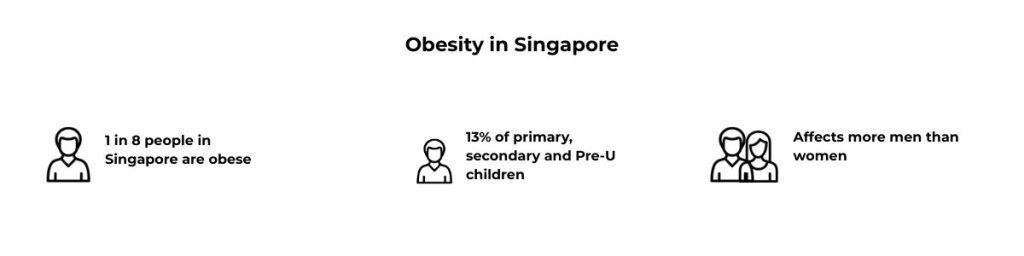
Obesity rates in Singapore have been steadily rising. According to the Ministry of Health’s 2024 National Population Health Survey :
- About one in eight Singapore residents aged 18 to 74 years were obese in 2023-2024.
- Obesity was slightly more common among males (13.1%) than females
(12.3%) - It was most prevalent among adults aged 30 to 39 years.
- Among Singapore residents aged 18 to 74 years, 22.8% were in the high risk BMI category according to Asian classification of BMI category.
• More than two-fifths of residents aged 18 to 74 years were found to have abdominal obesity. The prevalence of abdominal obesity was higher among females (44.6%) than males (42.6%).
This trend portends increasing challenges to good health, given obesity’s role in driving chronic diseases such as type 2 diabetes. Diabetes affect an estimated 9.1% of the adult population in Singapore.
Who Is At Risk For Obesity?
Obesity is influenced by a combination of genetic, environmental, and behavioural factors:
- Unhealthy diet: High intake of calorie-dense, nutrient-poor foods, and sugary drinks.
- Physical inactivity: Sedentary lifestyles with minimal exercise.
- Genetics and biology: Some people are more likely to weight gain due to genetic factors that affect their metabolism and appetite regulation.
- Psychological factors: Stress, depression, and emotional eating patterns.
- Socio-economic influences: Limited access to healthy foods.
Your Free Guide to Healthy Weight Loss
Ready to achieve your healthy weight loss goals? Download our essential (and Free!) guide for easy and convenient reference.
Learn More About Obesity
Top 5 Reasons To See An Endocrinologist For Effective Weight Management
Managing weight effectively is about more than just cutting calories or exercising regularly. For many people who are struggling to lose weight despite their best efforts, the issue could be deeply rooted in hormonal or metabolic imbalances. Here are the Top 5 Reasons To See An Endocrinologist For Effective Weight Management.
Wegovy® Weight Loss Medication
Wegovy® is a prescription medication. It is designed to aid weight management by regulating appetite, helping individuals feel fuller for longer and reducing overall calorie intake.
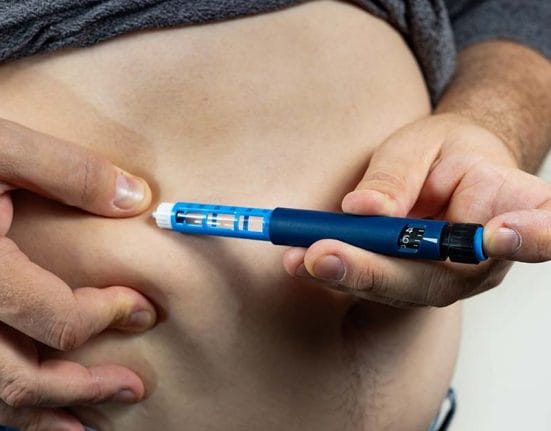
Wegovy® comes as a pre-filled injection pen. It is typically administered once a week under the skin of the abdomen, thigh, or upper arm. Dosage is increased gradually over several weeks to minimise potential side effects. Your healthcare provider will determine the starting dose and the escalation schedule.
Who Is Wegovy® For?
In Singapore, Wegovy® may be prescribed for adults with:
- A body mass index (BMI) of 30 or higher, or
- A BMI of 27.5 or higher with at least one weight-related health condition, such as type 2 diabetes, high blood pressure, or high cholesterol.
It is intended for use alongside a reduced-calorie diet and increased physical activity.
What To Expect With Wegovy®?
Appetite Reduction
Most people will notice changes in appetite within the first few weeks – feeling satisfied with smaller portions and experiencing fewer cravings between meals.
Weight Loss
Weight loss will usually be gradual. Significant results are often seen only after several months of consistent use. This is provided that it is combined with a healthy diet and regular physical activity.
Safety & Side Effects
Side effects may include nausea, vomiting, diarrhoea, constipation, and abdominal discomfort, particularly during the dose-escalation phase.
In rare cases, Wegovy® may increase the risk of pancreatitis, gallbladder disease, or thyroid tumours.
It should not be used by people with a personal or family history of medullary thyroid carcinoma or multiple endocrine neoplasia type 2 (MEN 2).
What is Wegovy®?
Learn more about Wegovy® in our guide.
Dive Deeper Into Wegovy® Weight Loss Medication
Comment: The row below to be moved to article for healthcare professionals article
Can I Take Ozempic For Weight Loss?
Ozempic in Singapore is approved as a diabetes management medication (as of Dec 2025). It is not approved for use as a weight loss medication.
Find A Doctor
Verified Healthcare Professionals
We connect you with a network of qualified and experienced doctors who specialise in chronic health conditions, health screening, and longevity.
Trusted Information Source
We pride ourselves on providing accurate, up-to-date, and evidence-based information about each disease, its prevention, and treatment.
Privacy and Security
Your health information and personal data are paramount to us. We will protect your privacy throughout the booking process and beyond.
Convenience at Your Fingertips
Our user-friendly platform allows you to find and book appointments 24/7 from the comfort of your home.
Our Preferred Doctors You Can Consider For Weight Management Medical Consultations:

Book An Appointment
Take a proactive step for your health and peace of mind today. If you need to see a doctor about obesity, your health risks, or weight-loss treatments, our team is here to assist.
Financials
[findDoctor category="financial consultants" countries="Singapore" " limit="15"]
Click here is you are looking for the best endocrinologists in Singapore.
Related Content









FAQs - Test Your Knowledge About Obesity And Weight Management
Obesity typically develops when more calories are consumed than used up by the body. Factors that influence this imbalance may include having an unhealthy diet high in sugar and saturated fat, physical inactivity, genetic predisposition, hormonal imbalances, certain medications, and environmental or lifestyle factors.
Obesity can increase the risk of a number of health conditions. These include type-2 diabetes, high blood pressure, heart disease, stroke, certain types of cancer, sleep apnoea, and osteoarthritis. It can also affect a person’s mental health.
Effective management often combines lifestyle changes, such as adopting a balanced, calorie-controlled diet and increasing physical activity, with behavioural support. In some cases, medical treatments like weight-loss medications or bariatric surgery may be recommended. Long-term success usually depends on sustained healthy habits and regular medical monitoring.
Additional Resources
- Weight Management Programme | Aspen Diabetes And Endocrine Clinic
- Obesity | Novo Nordisk
- Obesity – Symptoms & Causes | Mayo Clinic
- Causes of Child Obesity | Health Hub
- Obesity: Health consequences of being overweight | World Health Organization
- Top Weight Loss Medications | Obesity Medicine Association
- Wegovy | Novo Nordisk
- Obesity & Weight Loss Surgery | Crest Surgical Practice
.