

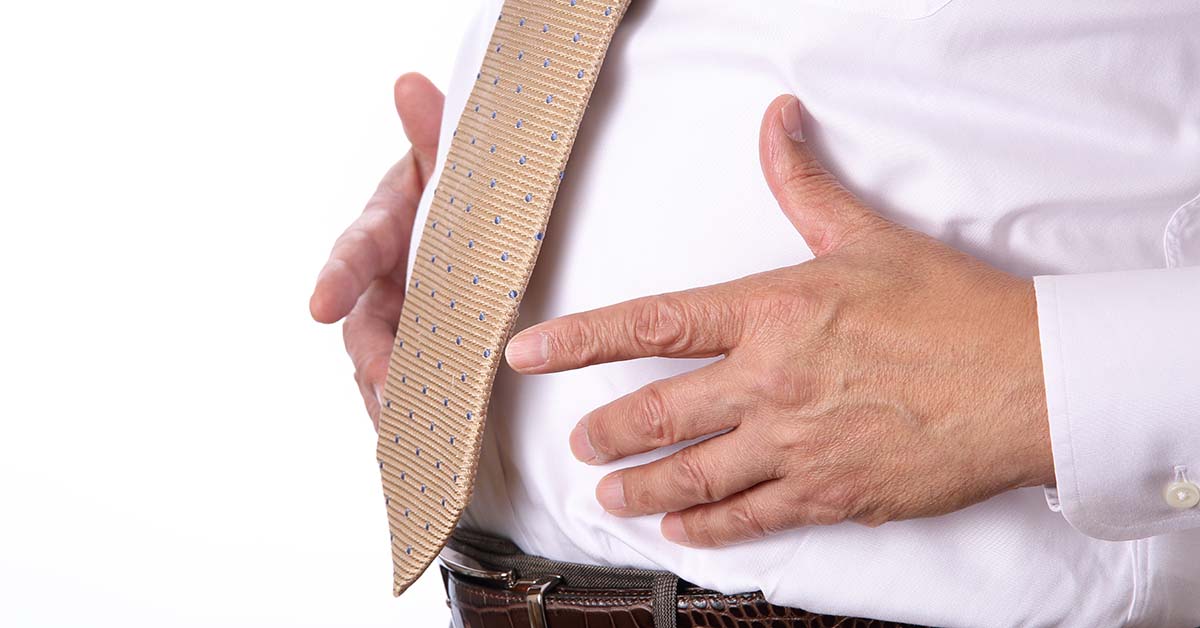
We have long known that obesity can increase the risk of serious health conditions such as heart disease, stroke, and Type 2 diabetes. Research continues to show that being slim doesn’t necessarily mean being healthy. Even people who appear to have a “normal” body weight can carry dangerous levels of visceral fat — a type of fat that hides deep inside the body and poses significant health risks.
Want To Have A Heathier Lifestyle? Consult An Endocrine Doctor On A Weight Management Programme Today
Contact UsBack To: Obesity In Singapore – The Big Story
What Is Visceral Fat?
Our body stores fat in two primary forms — subcutaneous fat and visceral fat.
- Subcutaneous fat is the fat located just beneath the skin. It is the “pinchable” fat we can see and feel.
- Visceral fat, however, is stored deep within the abdominal cavity, surrounding vital organs such as the liver, pancreas, and intestines. Because it isn’t visible from the outside, it’s often called “hidden fat.”

What Causes Visceral Fat Build-Up?
Visceral fat accumulates when we consume more calories than our body burns — especially from diets high in refined carbohydrates, sugars, and processed foods.
Lack of physical activity, high alcohol consumption, and chronic stress also contribute. When we’re stressed, the hormone cortisol is released, which can promote visceral fat storage, especially around the abdomen.
In recent years, medical studies have emphasized that even individuals with a normal Body Mass Index (BMI) can have high visceral fat levels — a condition sometimes referred to as “TOFI” (Thin Outside, Fat Inside).
Health Risks Linked To Visceral Fat
Carrying excess visceral fat can significantly raise the risk of:
- Type 2 diabetes
- Heart disease and stroke
- Hypertension (high blood pressure)
- Certain cancers such as breast and colorectal cancer
- Fatty liver disease (NAFLD)
- Dementia and cognitive decline
In Singapore and across Asia, Type 2 diabetes remains a major public health issue — with about 1 in 3 Singaporeans expected to develop diabetes in their lifetime. Many of the key risk factors are tied directly to visceral fat accumulation.
Who Is More at Risk?
- Men are generally more prone to accumulating abdominal (visceral) fat compared to women, who tend to store more subcutaneous fat around the hips and thighs.
- Women, however, may become more vulnerable to visceral fat build-up after menopause or pregnancy due to hormonal changes.
- Asians, particularly those of South Asian descent, are genetically more likely to develop visceral fat even at lower BMI levels compared to Caucasians — one reason why health guidelines for waist circumference are stricter in Asia.
How to Estimate Your Visceral Fat Level
Because visceral fat is hidden, it can’t be measured simply by looking in the mirror. While imaging tests such as CT scans or MRI can measure it precisely, they aren’t routinely needed.
Instead, a waist circumference measurement is a practical way to estimate risk:
- For Asian women: a waist measurement of 80 cm (31.5 inches) or more signals increased health risk.
- For Asian men: 90 cm (35.5 inches) or more indicates higher risk.
Measuring at the level of the navel after exhaling normally gives the most accurate reading.
How to Reduce Visceral Fat
The good news: visceral fat responds well to lifestyle changes.
1. Exercise Regularly
Engage in at least 150 minutes per week of moderate-intensity aerobic activity (like brisk walking, cycling, swimming) or 75 minutes of vigorous activity (like running or HIIT workouts). Studies show that aerobic exercise is especially effective at reducing visceral fat.
2. Eat a Balanced Diet
Focus on:
- Whole grains, fruits, and vegetables
- Lean protein sources (fish, tofu, chicken)
- Healthy fats (olive oil, nuts, avocados)
Limit processed foods, sugary beverages, and alcohol.
3. Manage Stress and Sleep Well
Chronic stress raises cortisol levels, promoting visceral fat storage. Techniques such as yoga, meditation, and mindfulness can help. Aim for 7–9 hours of quality sleep per night.
4. Quit Smoking
Smoking is linked to increased abdominal fat and higher visceral fat levels, even in those who are not overweight.
A Singaporean Way to Stay Active
Looking for a simple and fun way to combine fitness, relaxation, and family time? Explore Singapore’s beautiful parks and nature reserves. Regular nature walks or cycling trips can help you stay active while relieving stress — both key to reducing visceral fat.
Liposuction Is Not a Solution For Visceral Fat
It’s important to note that liposuction removes only subcutaneous fat, not visceral fat. While it may improve appearance, it does not reduce the health risks associated with excess hidden fat. Moreover, surgical procedures carry risks such as infection and complications. For long-term health, sustainable lifestyle changes are the only real solution.
Preferred Doctors (Endocrinologists) For Weight Management

Medical Assistance For Weight Management And Visceral Fat Loss
In 2026, the focus is not just on your weight — its on your fat distribution. By staying active, eating mindfully, managing stress, and sleeping well, you can reduce visceral fat and protect yourself from serious metabolic diseases for years to come. However, having a proper weight management regime, especially one that is tailiored to your particular medical needs, is not always easy. You can consider seeing a doctor (endocrinologist) for assistance and guidance.
Contact UsBack To: Obesity In Singapore – The Big Story
All content on this site is informative only and is not intended to be a substitute for professional medical advice, diagnosis, or treatment, and should never be relied upon for specific medical advice. If you are experiencing a medical emergency, call 995 immediately or go to the nearest Accident & Emergency department.
health365.sg is a member of Group 365Asia.