


Thyroid nodules are a health condition that becomes more common as we age. While the majority of nodules are harmless, their presence can cause discomfort, anxiety, or cosmetic concerns. Understanding what they are, and exploring the available options for benign thyroid nodule treatment can help patients make informed decisions about their care.
Need To Consult A Thyroid Specialist?
Contact UsLearn More: Thyroid Disorders Big Story
Learn More: Thyroid Health Main Page
What Is A Thyroid Nodule?
A thyroid nodule is a lump that forms within the thyroid gland, which is a butterfly-shaped organ located at the base of the neck. These nodules may be solid or filled with fluid and can vary greatly in size. Most nodules are discovered during routine medical examinations or imaging tests carried out for unrelated reasons.
Thyroid nodules are relatively common, particularly in women and older adults. It affects about 68% of people, according to SingHealth. While many nodules remain symptom-free, larger ones may cause difficulty swallowing, a visible swelling in the neck, or a sensation of pressure.
What Does It Mean When A Nodule Is “Benign”?
According to the Singapore Cancer Registry, Thyroid cancer is the seventh most common cancer in women (updated for 2019-2023). In addition, among women under 50, it is among the top three most common cancers. Fortunately, over 95% of thyroid nodules are benign – meaning that they are not cancerous. This diagnosis is usually confirmed through medical imaging and fine-needle aspiration biopsy. Benign nodules pose no risk of spreading to other parts of the body and are generally not life-threatening. However, depending on their size and symptoms, they may still require monitoring or treatment.
Learn More: When To Worry About Thyroid Nodules
Treatment Options For Benign Thyroid Nodules
Management of benign thyroid nodules depends on their size, symptoms, and the preferences of the patient. Below are the main options available:
1. Watchful Waiting
In cases where the nodule is small, symptom-free, and confirmed to be benign, doctors may recommend regular monitoring rather than immediate treatment. This approach, known as “watchful waiting”, involves periodic ultrasound scans and clinical check-ups to ensure that the nodule does not grow or cause new symptoms.
2. Medication
For some patients, hormone therapy may be considered to regulate thyroid activity, although this approach is less common today. The effectiveness of medication in shrinking nodules is limited, and it is usually reserved for specific situations where thyroid function is abnormal.
3. Minimally Invasive Treatments
Modern medicine has introduced non-surgical methods to effectively treat benign nodules. These may be suitable for a selected group of patients. Possible options include:
- Needle Aspiration. This treatment may be considered as a first line therapy for a simple thyroid cyst. It is most suitable for nodules that are completely cystic in nature. Needle aspiration is performed using a small needle at the bedside, with or without the assistance of ultrasound. The fluid that is extracted might be sent for cytology analysis. With needle aspiration however, there is a risk of recurrence and re-accumulation of the fluid. A repeat aspiration can be performed but surgical excision should also be considered for further recurrence.
- High-Intensity Focused Ultrasound (HIFU): HIFU uses therapeutic ultrasound to rapidly heat up the tissue of the thyroid nodule to about 85°C in order to “melt” it away. The effect persists after the treatment and the nodule will gradually become smaller as the body continues to break down the “melted” tissue. The nodule will typically shrink around 60-70% over the next 6 to 12 months. The procedure can be performed on an outpatient basis under local anaesthesia with/without sedation. It typically takes about 20 to 30 minutes depending on the size of the nodule. The patient will feel some pain during the pulse phase but it is often manageable with sedation. HIFU is a good option for patients with benign nodules who prefer a non-invasive and scarless treatment modality.
- Radiofrequency Ablation (RFA): Another minimally invasive technique that uses heat energy to shrink nodules. It is minimally invasive and suitable for patients who wish to avoid surgery. Radiofrequency ablation involves introducing a special needle into the nodule with the help of ultrasound. Heat energy is delivered into the nodule through this needle, causing it to slowly shrink over time. The procedure will take around 30 minutes and you can be discharged shortly after.
4. Surgery
If a benign thyroid nodule is particularly large, causes significant discomfort, or affects swallowing or breathing, surgery may be recommended. Surgical options include removing part or all of the thyroid gland.
What Are The Thyroid Nodule Surgery Risks?
Thyroid surgery is almost never life threatening with extremely low rate of complications when performed by an experienced thyroid surgeon.
The risks involved in any surgery such as bleeding and wound infection can also occur in thyroid surgery. The wound pain manageable is manageable for most patients and they typically would do require any painkillers after 3 to 5 days.
The risk particular to thyroid surgery is recurrent laryngeal nerve palsy with resultant hoarseness of voice. This occurs in less than 2% of the surgeries. Furthermore, the majority of these are temporary and will recover with time.
If a patient undergoes total thyroidectomy (i.e. entire thyroid gland is removed), patient will need lifelong thyroxine supplements. There are no side effects from the medications. Some patients might also need calcium and vitamin D supplements after surgery.
Our Preferred Doctors (Endocrine Surgeon / Thyroid Specialist) For Thyroid Nodule Treatment
- Dr Tan Wee Boon is a Senior Consultant General Surgeon with highly specialised training in endocrine surgery. He has expertise in both traditional and advanced robotic thyroidectomy. His approach to thyroid health offers patients a comprehensive range of options that include non-surgical treatments as well as minimally invasive surgical techniques.

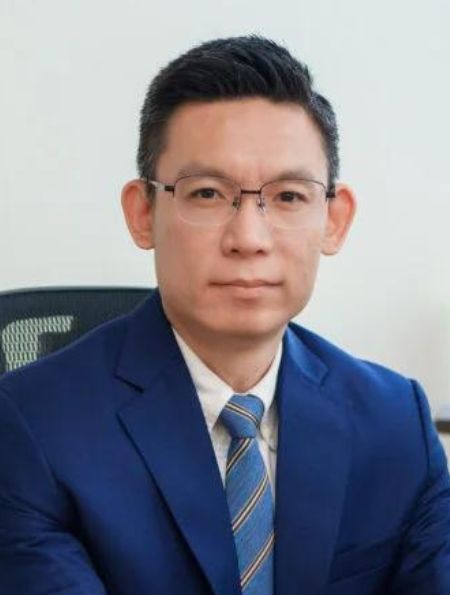
Dr Tan Wee Boon
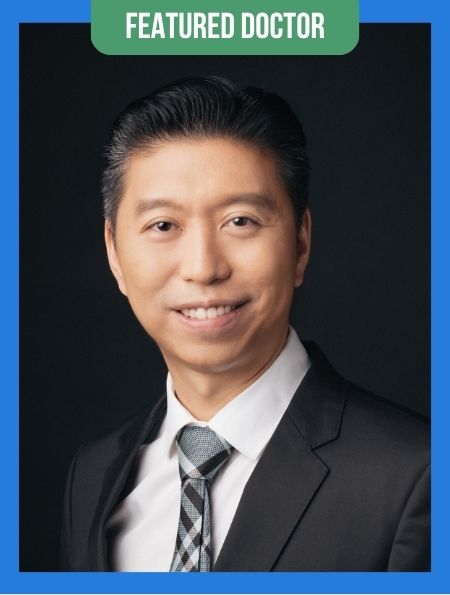
[SG] Featured Doctor- Dr Kevin Koo
Watch Interview Video: Dr Tan Wee Boon explains thyroid conditions and their symptoms.
Frequently Asked Questions About Benign Thyroid Nodule Treatment
No. Many nodules are harmless and symptom-free, so they can be managed through regular monitoring without the need for intervention.
Yes. HIFU is a safe and non-invasive treatment option for benign thyroid nodules. It avoids scarring, requires no general anaesthesia, and patients can usually resume normal activities shortly after the procedure.
The vast majority of benign nodules remain non-cancerous. Regular check-ups are recommended to ensure no significant changes occur, but the risk of transformation into cancer is very low.
Get An Appointment With A Thyroid Specialist
Benign thyroid nodule treatment ranges from simple monitoring to advanced minimally invasive therapies and surgery. The choice of treatment depends on factors such as the size of the nodule, symptoms, and patient preference. With modern approaches like HIFU and other non-surgical techniques, patients now have more options than ever to manage their condition safely and effectively.
Contact UsWatch Interview Video: Dr Tan Wee Boon explains thyroid conditions and their symptoms.
Learn More: Thyroid Disorders Big Story
Learn More: Thyroid Health Main Page
All content on this site is informative only and is not intended to be a substitute for professional medical advice, diagnosis, or treatment, and should never be relied upon for specific medical advice. If you are experiencing a medical emergency, call 995 immediately or go to the nearest Accident & Emergency department.
health365.sg is a member of Group 365Asia.