

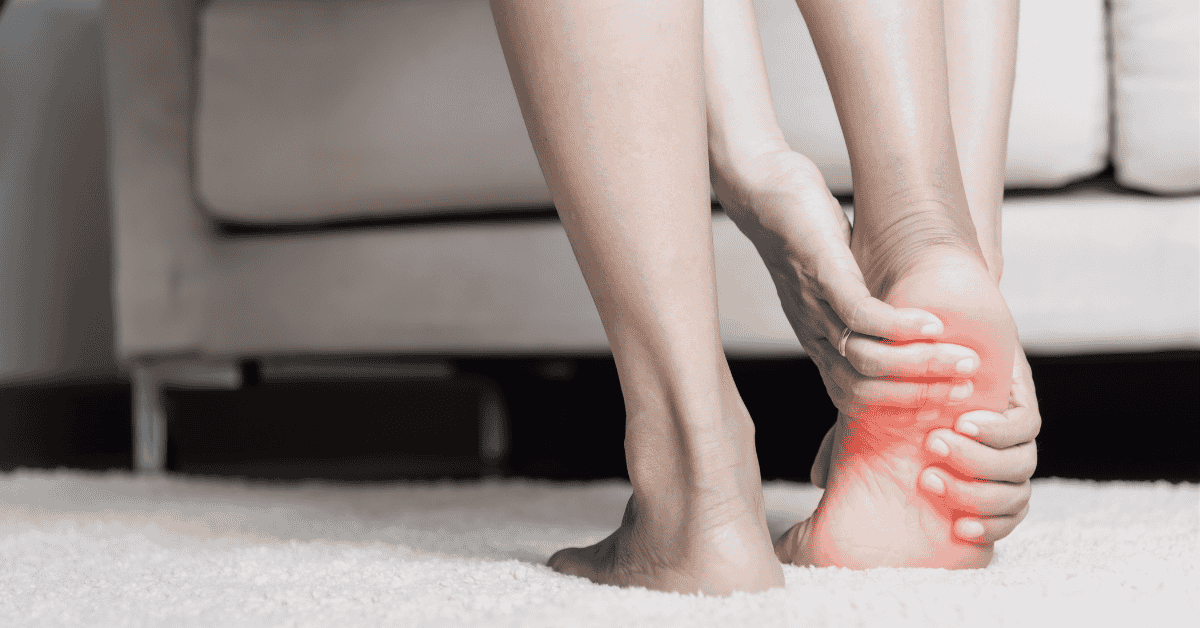
Plantar fasciitis is a common cause of heel pain, especially among adults who spend long hours on their feet. This condition affects the plantar fascia, a thick band of tissue that runs along the bottom of your foot and connects your heel bone to your toes. When this tissue becomes inflamed or overstretched, it can lead to significant pain and stiffness, particularly during the first steps in the morning. If you’re in Singapore and struggling with heel pain, it’s important to understand the plantar fasciitis treatment options available. Early diagnosis and the right care can greatly improve your quality of life and help prevent long-term discomfort.
In this article, we’ll explore what plantar fasciitis is, its causes and symptoms, how it is diagnosed, and the full range of treatments available in Singapore — including non-surgical, surgical, and advanced therapies.
Back to Main Channel: Bone & Orthopaedic Health
Schedule an Appointment with an Orthopaedic Specialist in Singapore
What Is Plantar Fasciitis?
Plantar fasciitis is a degenerative condition of the plantar fascia, often resulting from repetitive strain. Contrary to popular belief, it’s not always linked to inflammation. Instead, it can also involve small tears and collagen breakdown within the tissue. The condition is especially common among runners, people with flat feet or high arches, and individuals who wear unsupportive footwear.
Common Causes of Plantar Fasciitis
- Prolonged standing or walking – Spending long hours on your feet, especially on hard surfaces, increases stress on the plantar fascia.
- Overuse from high-impact activities – Sports such as running, dancing, or aerobics can put repeated strain on the foot’s connective tissues.
- Obesity or sudden weight gain – Excess body weight adds extra pressure on the plantar fascia, particularly in the heel area.
- Improper footwear – Wearing shoes that lack arch support, cushioning, or proper fit can lead to biomechanical imbalances.
- Flat feet or high arches – Both extremes in foot structure can alter how weight is distributed across the foot and contribute to tissue strain.
- Tight calf muscles or Achilles tendon – Limited ankle flexibility can cause abnormal foot mechanics, putting tension on the plantar fascia during walking.
- Age-related wear and tear – Individuals aged 40 to 60 are more prone to degeneration in the plantar fascia due to long-term use.
- Rapid increase in physical activity – A sudden spike in exercise intensity or frequency without proper conditioning can overload the foot.
Plantar Fasciitis Symptoms
- Sharp heel pain in the morning – Most people feel intense pain with the first steps after waking up. The pain usually reduces as the foot warms up.
- Pain after resting or sitting – Discomfort returns after long periods of inactivity and can flare up when standing again.
- Pain after exercise, not during – Symptoms tend to worsen after a workout, rather than during physical activity.
- Tenderness on the bottom of the heel – Pressing the underside of the heel may cause noticeable sensitivity or soreness.
- Stiffness in the foot – Limited foot flexibility or tightness in the arch and heel area, especially early in the day.
- Burning or aching sensation – Some individuals report a deep ache or burning feeling that worsens over the course of the day.
- Mild swelling in the heel – Inflammation may cause the heel to look slightly puffy or swollen upon visual inspection.
Plantar Fasciitis Treatment in Singapore
1. Conservative Treatment Options
Most patients respond well to non-surgical options, including:
- Rest and activity modification
- Stretching exercises for the plantar fascia and calf muscles
- Footwear with proper arch support
- Orthotic insoles
- Anti-inflammatory medications such as ibuprofen
- Icing the heel for 15–20 minutes, several times a day
2. Physiotherapy and Plantar Fasciitis Exercises
A physiotherapist may guide you through:
- Calf stretches
- Plantar fascia stretches
- Strengthening exercises for foot and ankle muscles
These exercises improve flexibility and reduce strain on the plantar fascia.
3. Shock Wave Therapy for Plantar Fasciitis
Extracorporeal Shock Wave Therapy (ESWT) is gaining popularity in Singapore. It involves delivering high-energy sound waves to the affected area, which stimulates healing in the plantar fascia.
- Non-invasive and outpatient-based
- No downtime required
- Usually done over 3–5 sessions
This therapy is especially helpful for chronic cases unresponsive to other treatments.
4. Plantar Fasciitis Surgery
Surgery is rarely needed, but in severe or persistent cases, a procedure known as plantar fascia release may be performed. This involves partially cutting the fascia to relieve tension and reduce inflammation.
Surgical options include:
- Open surgery
- Endoscopic (minimally invasive) surgery
Recovery time may range from a few weeks to a few months, depending on the type of surgery and the individual’s overall health.
Cost of Treatment in Singapore
Here’s an estimated breakdown of treatment costs in Singapore:
Shock Wave Therapy
- The price per session usually ranges between SGD 100 and 350, with full treatment packages (3–6 sessions) totalling SGD 300–1,500.
Steroid Injection
- One-off corticosteroid injections are billed at around SGD 100–300 per dose .
Plantar Fasciitis Surgery
- Private clinics in Singapore report average costs of around SGD 6,700 for surgery.
- International clinics list a broader range, with surgery costs between SGD 5,000–10,000 depending on complexity.
Connect with a Trusted Orthopaedic Specialist Today
Plantar fasciitis treatment in Singapore has come a long way, with a range of effective options available—from simple lifestyle changes to more advanced therapies like shock wave treatment or surgery. Spotting the symptoms early and consulting an experienced orthopaedic specialist can help you avoid long-term discomfort and get back to moving comfortably.
If persistent heel pain is affecting your daily life, don’t wait. Click the button below for an introduction to our preferred orthopaedic surgeon in Singapore and take the first step toward pain-free movement.
Preferred Orthopaedic Specialist (Upper Limbs): Dr Bryan Wang
Preferred Orthopaedic Specialist (Lower Limbs): Dr Ananda Vella
Get Imaging Tests In Singapore
Back to Main Channel: Bone & Orthopaedic Health
- Orthopaedic Care In Singapore: Upper Limbs
- Orthopaedic Care In Singapore: Lower Limbs
- Spine Disorders – Do Not Let Back Pain Disrupt Your Lifestyle
All content on this site is informative only and is not intended to be a substitute for professional medical advice, diagnosis, or treatment, and should never be relied upon for specific medical advice. If you are experiencing a medical emergency, call 995 immediately or go to the nearest Accident & Emergency department.
health365.sg is a member of 365Asia.