


In the rapidly evolving world of modern medicine, robotic surgery has emerged as one of the most significant breakthroughs of the 21st century. Despite its growing prevalence in hospitals worldwide, many patients still feel a sense of hesitation when they hear the word “robot” in the operating room.
Are the machines making the decisions? Is it safer than traditional methods? To help you make an informed decision about your healthcare, we are debunking the top five myths about robotic surgery with the cold, hard facts.
Get An Appointment With A Colorectal Surgeon
Contact UsBack To: Colorectal Cancer & Other Conditions Main Page
Myth 1: The robot performs the surgery autonomously.
The Fact: This is perhaps the most common misconception. A surgical robot cannot think, plan, or move on its own. It is a highly sophisticated tool entirely controlled by a human surgeon.
The surgeon sits at a console a few feet away from the patient, using hand and foot controls to maneuver the robotic arms. Every movement the robot makes is a direct, real-time translation of the surgeon’s hand motions—only with greater precision and a filtered-out hand tremor.
Myth 2: Robotic surgery is only for complex or rare procedures.
The Fact: While robotic surgery is incredible for complex oncological or cardiac procedures, it is now widely used for “routine” surgeries as well. Because of the benefits of minimally invasive techniques, surgeons frequently use robotic assistance for:
- Hernia repairs
- Gallbladder removals
- Hysterectomies
- Prostatectomies
- Joint replacements (Knee and Hip)
Using robotics for common procedures often leads to more consistent outcomes and fewer complications.
Myth 3: Robotic surgery is more dangerous than traditional “open” surgery.
The Fact: On the contrary, robotic-assisted surgery is often safer because it is minimally invasive. Traditional open surgery requires large incisions to allow the surgeon to see and reach the organs. In robotic surgery, the surgeon uses a high-definition 3D camera that provides a magnified view far superior to the human eye.
Combined with tiny incisions (often less than 1 cm), this leads to:
- Less blood loss and lower risk of transfusion.
- Lower risk of infection due to smaller wounds.
- Reduced trauma to surrounding healthy tissue.
Myth 4: Recovery from robotic surgery takes a long time because of the technology involved.
The Fact: One of the primary reasons doctors recommend robotic surgery is specifically to shorten recovery time. Because the incisions are smaller and there is less internal tissue disruption, patients generally experience:
- Significantly less post-operative pain.
- Shorter hospital stays (often 24 hours or less).
- A much faster return to daily activities and work.
While traditional surgery might sideline a patient for six weeks, many robotic surgery patients are back to their routine in just two.
[Image comparing traditional open surgery incision vs robotic surgery small incisions]Myth 5: Robotic surgery is an “experimental” technology.
The Fact: Although it feels like science fiction, robotic-assisted surgery has been FDA-approved and in clinical use for over 20 years. It is a well-established medical standard backed by thousands of peer-reviewed studies. In 2024 alone, over 1.5 million robotic procedures were performed globally, proving it is a mature and trusted surgical method.
Our Preferred Doctors For Colorectal Surgery
If you are looking for a surgeon for colorectal surgery, you can consider our Preferred Doctors:
- Dr Chong Choon Seng is a highly experienced colorectal surgeon in Singapore known for his expertise in minimally invasive and robotic techniques for colorectal cancer, polyps, and complex anorectal conditions. With extensive training and years of surgical practice, he is trusted for delivering safe, precise, and evidence‑based care tailored to each patient’s needs.
- Dr Lee Kuok Chung is a highly experienced colorectal surgeon with nearly 20 years of practice, specialising in minimally invasive and robotic surgery for colorectal cancer and complex perianal conditions. He is also one of the few surgeons in Singapore skilled in advanced endoscopic techniques such as EMR and ESD, allowing large polyps and early cancers to be removed without major surgery.
- Dr Daniel Lee is a highly experienced colorectal surgeon in Singapore, known for his expertise in minimally invasive techniques such as laparoscopic colorectal surgery, TAMIS, and advanced laser procedures for piles, fistulas, and pilonidal disease. Dr Lee is trusted for handling even the most challenging cases.



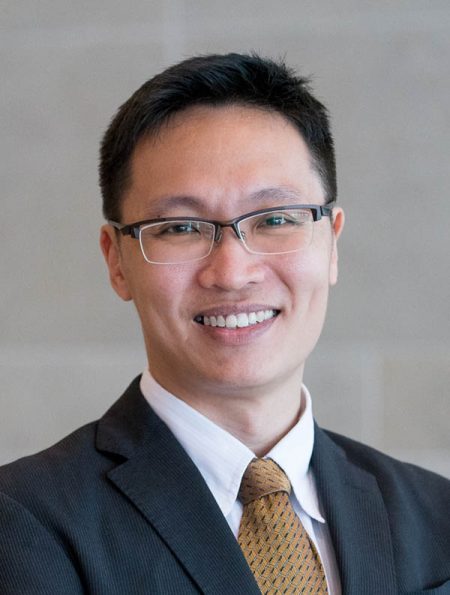
Dr Chong Choon Seng 张峻诚医生

[SG] Featured Doctor- Dr Kevin Koo
Is Robotic Surgery Right for You?
While the technology offers numerous advantages, the best surgical approach always depends on your specific medical condition and your surgeon’s expertise.
When discussing your options, ask your doctor: “Am I a candidate for robotic surgery?” Understanding the facts helps replace fear with confidence, ensuring you choose the path that leads to the best possible outcome for your health.
Contact UsBack To: Colorectal Cancer & Other Conditions Main Page
All content on this site is informative only and is not intended to be a substitute for professional medical advice, diagnosis, or treatment, and should never be relied upon for specific medical advice. If you are experiencing a medical emergency, call 995 immediately or go to the nearest Accident & Emergency department.
health365.sg is a member of Group 365Asia.