


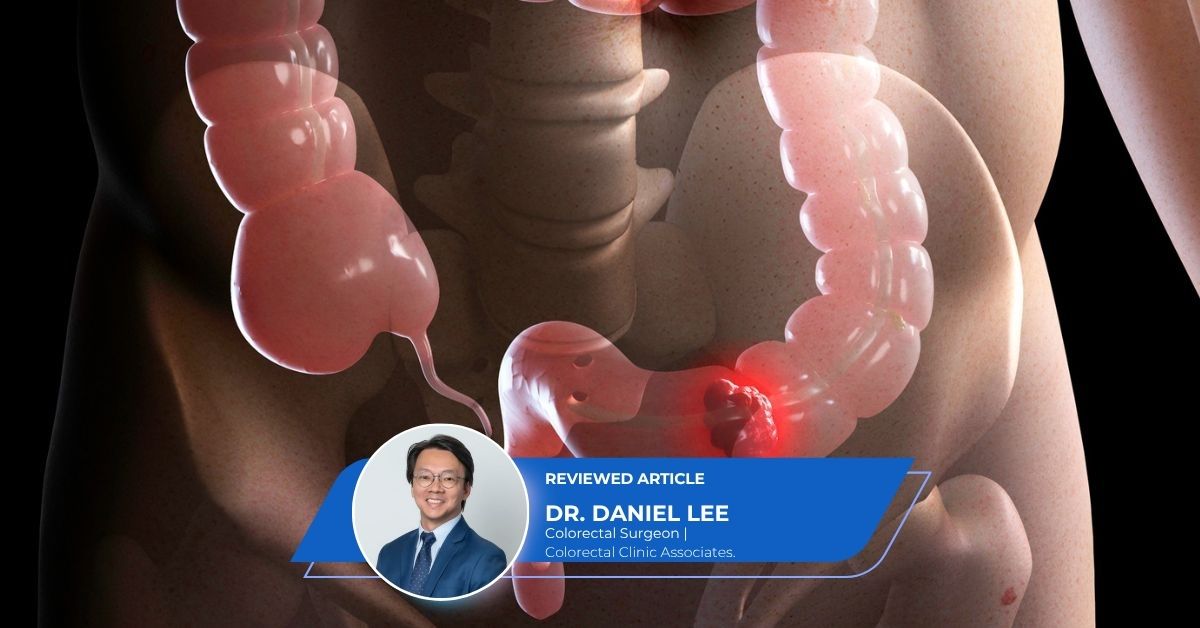
For patients with early-stage, localised rectal growths, developments in modern surgical oncology allow specialised keyhole techniques executed directly through the natural opening of the body. These offer organ (in this case the rectum) preserving advantage and without the need for abdominal incisions. An advanced method, technically known as Transanal Minimally Invasive Surgery (TAMIS), is a highly precise solution that leaves no visible external abdominal scars. This overcomes the shortcomings of traditional surgical approaches which need extensive abdominal incisions, prolonged hospital stays, and carry a substantial risk of temporary or permanent artificial bowel openings (stomas).
TAMIS utilises the natural opening of the anus as the entry point. With this procedure, specialised colorectal surgeons can completely bypass the need to cut through the abdominal wall, muscle tissue, and skin. This approach represents a monumental shift from traditional radical surgery, preserving structural integrity and significantly accelerating recovery timelines for suitable candidates.
Contact UsBack To: Colon & Rectal Cancer Main Page
How Is Natural Opening Keyhole Rectal Surgery Performed?
To understand how TAMIS functions, one must look at the unique anatomy of the lower digestive tract. The rectum comprises the final several centimetres of the large intestine, nestled tightly within the rigid bony structure of the pelvic bowl. This restricted space makes traditional surgery exceptionally challenging, often requiring large abdominal openings simply to gain visual access.
During a natural opening keyhole procedure, the patient is placed under general anaesthesia. The surgeon introduces a specialised, airtight access port through the anus. This port allows the introduction of high-definition, three-dimensional microscopic cameras alongside micro-surgical instruments. The rectum is gently inflated with carbon dioxide gas to provide the surgical team with clear visualization of the internal bowel lining. Working with high-magnification screens, the specialist can precisely trace the borders of the early cancer or complex polyp, cutting completely through the necessary layers of the rectal wall to ensure the entire growth is removed with clean, healthy margins. Once the tumour is safely extracted through the back passage, the defect left in the rectal wall is meticulously closed using internal, dissolvable stitches.
What Are The Major Advantages Of TAMIS For Eligible Patients?
The primary benefit that appeals to patients is the absolute absence of abdominal wounds. Traditional open or standard laparoscopic rectal surgery requires incisions in the belly, which inherently carry risks of wound infections, postoperative hernias, and long-term scarring. By removing the tumour through the natural opening, these risks are completely eliminated.
With TAMIS, post-operative pain is significantly reduced. Most patients require minimal pain medication and are able to mobilize, walk, and consume solid fluids within a matter of hours following the operation. The duration of hospital stay is dramatically shortened. It can be a day surgery or only a single overnight stay or, in specific scenarios, proceeding as a day surgery case. This allows individuals to return to their normal occupations and familial responsibilities far quicker than traditional interventions permit.
Who Are The Ideal Candidates For This Procedure?
It is vital to recognise that while this surgical innovation is highly effective, it is not suitable for every presentation of colorectal disease. The procedure is meticulously reserved for specific conditions, including:
- Large, benign polyps situated in the rectum that cannot be safely or completely removed during a standard diagnostic colonoscopy.
- Very early-stage rectal cancers that are confined strictly to the innermost layers of the rectal wall and show no evidence of spreading to adjacent lymph nodes.
- Patients who require a biopsy or removal of localised, non-cancerous rectal masses.
To confirm eligibility, a thorough pre-operative assessment is essential. This involves high-resolution imaging such as pelvic Magnetic Resonance Imaging or specialised endorectal ultrasound scans to confirm the depth of the tumour and ensure the local lymph nodes are completely clear of disease.
Looking Forward To Recovery
Developments in specialised keyhole surgery via the back passage have redefined the management of early rectal growths, providing a bridge between simple endoscopic removal and highly invasive abdominal operations. By focusing on targeted, organ-preserving techniques, modern colorectal specialists ensure that patients achieve optimal cancer cure rates while maintaining an exceptional quality of life, completely free of visible external scarring or permanent lifestyle restrictions. Consulting a dedicated specialist who possesses specific training in advanced transanal surgery remains the most critical step in exploring this innovative therapeutic pathway.
Get An Appointment With A Colorectal Surgeon With Expertise In TAMIS
If you have questions about TAMIS or other colorectal treatments, get an appointment with a colorectal surgeon today.
Contact Us
This medical content has been reviewed by Dr Daniel Lee, a highly experienced colorectal surgeon in Singapore, known for his expertise in minimally invasive techniques such as laparoscopic colorectal surgery, TAMIS, and advanced laser procedures for piles, fistulas, and pilonidal disease. Dr Lee is trusted for handling even the most challenging cases.
Back To: Colon & Rectal Cancer Main Page
All content on this site is informative only and is not intended to be a substitute for professional medical advice, diagnosis, or treatment, and should never be relied upon for specific medical advice. If you are experiencing a medical emergency, call 995 immediately or go to the nearest Accident & Emergency department.
health365.sg is a member of Group 365Asia.