

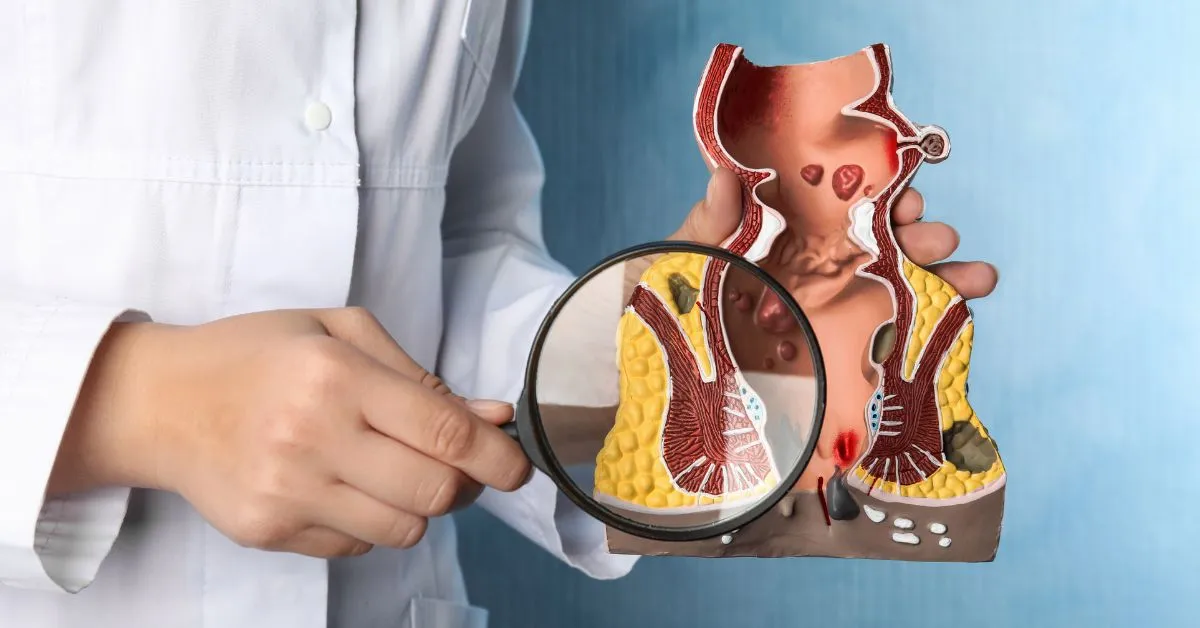
Anorectal conditions are medical issues that affect the anus and rectum. These conditions are common and can cause discomfort, pain, or bleeding. While many anorectal conditions are not life-threatening, they can nonetheless significantly affect quality of life. If left untreated, they may lead to complications. This guide explains what anorectal conditions are, outlines the most common types, discusses possible complications, and highlights the treatment options available.
Need To Consult An Anorectal Surgeon (Colorectal Surgeon) For Treatment?
Contact UsWhat Are Anorectal Conditions?
The term anorectal conditions refers to a wide range of disorders that involve the anal canal and rectum. These include both benign and potentially serious problems. They may arise from infection, inflammation, structural weakness, or abnormal growths.
Some of the most frequently seen anorectal conditions in clinical practice are:
- Anal fistula
- Anal fissure
- Haemorrhoids
- Perianal abscess
- Rectal prolapse
- Rectal polyps
Each of these conditions has its own set of causes, symptoms, risks, and treatments.
Anal Fistula
An anal fistula is an abnormal tunnel that forms between the inside of the anal canal and the skin around the anus. It often develops after an anal abscess drains spontaneously or is surgically treated.
Possible Complications:
- Persistent pain and discharge
- Recurrent infections
- Formation of multiple tracts, making surgery more complex
- Rarely, in chronic untreated cases, malignant transformation (cancerous change)
Treatment:
Surgery is usually required to treat anal fistulas. Procedures include fistulotomy (opening the tract), seton placement (a surgical thread used to keep the tract open for drainage), or more advanced techniques like advancement flaps and laser therapy.
Anal Fissure
An anal fissure is a small tear in the lining of the anal canal. It typically causes sharp pain and bright red bleeding during or after bowel movements. Fissures are often linked to constipation or passing hard stools.
Possible Complications:
- Chronic fissures that do not heal on their own
- Development of a sentinel skin tag near the fissure
- Severe pain leading to fear of passing stools, worsening constipation
Treatment:
Initial management involves dietary fibre, stool softeners, and topical creams that relax the anal sphincter. Chronic fissures may require procedures such as botulinum toxin injections or lateral internal sphincterotomy (a minor surgical cut to reduce muscle spasm and promote healing).
Haemorrhoids
Haemorrhoids, also known as piles, are swollen veins in the lower rectum or anus. They may be internal (inside the rectum) or external (under the skin around the anus). Symptoms include bleeding, itching, swelling, and pain.
Possible Complications:
- Thrombosis (clot formation within haemorrhoids) causing severe pain
- Chronic blood loss leading to anaemia
- Prolapsed haemorrhoids that cannot be pushed back in, sometimes requiring emergency care
Treatment:
Conservative management includes dietary changes, fibre supplements, and topical creams. Office-based procedures such as rubber band ligation or infrared coagulation can treat persistent haemorrhoids. Advanced cases may require haemorrhoidectomy (surgical removal) or stapled haemorrhoidopexy.
Perianal Abscess
A perianal abscess is a collection of pus near the anus, usually resulting from infection of the anal glands. It presents as a painful, swollen lump that may be accompanied by fever.
Possible Complications:
- Spread of infection to surrounding tissues (cellulitis)
- Formation of an anal fistula after the abscess drains
- Sepsis in severe cases if not treated promptly
Treatment:
The main treatment is surgical drainage of the abscess. Antibiotics may be prescribed in selected cases, but drainage is essential for proper healing. Follow-up is important to check for fistula formation.
Rectal Prolapse
Rectal prolapse occurs when the rectum protrudes through the anus. It may be partial (mucosal prolapse) or complete, where the full thickness of the rectal wall comes out. It is more common in older adults and women who have had multiple childbirths.
Possible Complications:
- Faecal incontinence (loss of bowel control)
- Strangulation of the prolapsed rectum, leading to tissue death
- Recurrent prolapse despite conservative measures
Treatment:
Treatment depends on severity. In mild cases, pelvic floor exercises and lifestyle modifications may help. Surgery is the mainstay for significant prolapse, with approaches including abdominal or perineal repair.
Rectal Polyps
Rectal polyps are abnormal growths arising from the lining of the rectum. They may be small and symptomless or cause bleeding and mucus discharge. While most polyps are benign, some can develop into colorectal cancer over time.
Possible Complications:
- Rectal bleeding and anaemia
- Large polyps causing obstruction
- Malignant transformation if left untreated
Treatment:
Polyps are usually removed during colonoscopy using a snare or biopsy forceps. Larger or complex polyps may require advanced endoscopic resection or surgery. Regular follow-up is important, as polyps can recur.
Screening For Anorectal Conditions
Regular screening is important for early detection of anorectal conditions, which can prevent complications and improve treatment outcomes. Individuals at higher risk—such as those with a family history of colorectal disease, chronic constipation, or previous anorectal problems—should consider routine check-ups.
Common screening methods include:
- Physical Examination: A doctor inspects and palpates the anal and rectal area to detect lumps, fissures, or prolapse.
- Anoscopy: A small scope is used to examine the anal canal for haemorrhoids, fissures, or early lesions.
- Colonoscopy or Sigmoidoscopy: These procedures visualise the rectum and lower colon, allowing detection of polyps, tumours, or other anorectal conditions.
- Imaging Tests: MRI or endorectal ultrasound may be used for complex cases such as fistulas or abscesses.
Screening is especially recommended for people over 50, those with persistent rectal symptoms, or individuals with chronic anorectal conditions. Early detection ensures timely treatment, reduces the risk of complications, and can prevent progression to serious diseases such as colorectal cancer.
Failed to fetch data from API.
General Treatment Principles For Anorectal Conditions
While treatment varies depending on the condition, there are common principles in managing anorectal disorders:
- Lifestyle Modification – A high-fibre diet, adequate hydration, and regular exercise help maintain healthy bowel habits and prevent constipation, which is a common trigger for many anorectal conditions.
- Medical Therapy – Topical creams, oral medications, and antibiotics may be prescribed depending on the condition.
- Surgery – These can be minimally invasive surgeries, or more traditional surgeries for conditions like fistulas, abscesses, or rectal prolapse.
Our Preferred Doctors (Anorectal Surgeons) For Anorectal Conditions Treatment




Dr Chong Choon Seng 张峻诚医生

[SG] Featured Doctor- Dr Kevin Koo
When To See A Doctor
Patients should seek medical advice if they experience persistent rectal bleeding, pain, or a lump around the anus. Early diagnosis can prevent complications and ensure effective treatment. While anorectal conditions are common and often benign, some may mimic or progress to more serious diseases such as colorectal cancer.
Get An Appointment
Anorectal conditions, including anal fistula, anal fissure, haemorrhoids, perianal abscess, rectal prolapse, and rectal polyps, affect many people and can range from mild discomfort to serious complications. Timely recognition, accurate diagnosis, and appropriate treatment are essential for good outcomes.
By understanding these conditions and seeking medical attention when symptoms arise, patients can manage their health effectively and reduce the risk of complications.
Contact UsPreferred Doctors: Dr Chong Choon Seng (General Surgeon – Colorectal)
Preferred Doctors: Dr Daniel Lee (General Surgeon – Colorectal)
Preferred Doctors: Dr Lee Kuok Chung (General Surgeon – Colorectal)
All content on this site is informative only and is not intended to be a substitute for professional medical advice, diagnosis, or treatment, and should never be relied upon for specific medical advice. If you are experiencing a medical emergency, call 995 immediately or go to the nearest Accident & Emergency department.
health365.sg is a member of Group 365Asia.