


Physiotherapy in Singapore is a critical component of the healthcare landscape, offering evidence-based solutions for individuals recovering from injury, managing chronic pain, or seeking to optimise their physical performance. As a regulated profession, it bridges the gap between acute medical intervention and long-term functional health.
Get An Appointment With A Physiotherapist
Contact UsBack To: Physiotherapy Main Page
What Is Physiotherapy?
Physiotherapy is a healthcare profession focused on restoring movement and function when someone is affected by injury, illness, or disability. In Singapore, physiotherapists are allied health professionals who must be registered with the Allied Health Professions Council (AHPC).
They use their knowledge of anatomy and physiology to assess, diagnose, and treat various physical conditions. The primary objective is to improve a patient’s quality of life through physical intervention, education, and advice. Unlike many traditional approaches that may focus solely on symptom relief, physiotherapy aims to address the root cause of dysfunction to prevent recurrence.
What Range Of Treatments Does Physiotherapy In Singapore Cover?
The scope of physiotherapy in Singapore is broad, extending well beyond simple muscle rubs. It is typically categorised into several specialised areas:
- Musculoskeletal (MSK) Physiotherapy: This is the most common form, addressing issues such as back pain, neck strain, sports injuries, and arthritis.
- Neurological Physiotherapy: This focuses on patients with disorders affecting the nervous system, such as those recovering from a stroke, Parkinson’s disease, or multiple sclerosis.
- Cardiopulmonary Physiotherapy: This assists individuals with heart and lung conditions, helping to improve respiratory function and physical endurance.
- Geriatric and Paediatric Physiotherapy: Tailored care for the elderly to maintain mobility and prevent falls, or for children to support developmental milestones.
- Lifestyle and Preventive Management: Physiotherapists also provide ergonomic assessments and postural correction to prevent workplace-related injuries, which is increasingly relevant in Singapore’s desk-bound workforce.
What Does A Typical Session Involve?
When you attend a session for physiotherapy in Singapore, the process usually begins with a comprehensive initial assessment. The therapist will take a detailed medical history and perform physical tests to evaluate your range of motion, strength, and neurological function.
Once a diagnosis is established, the treatment may include:
- Manual Therapy: Hands-on techniques such as joint mobilisation or soft tissue manipulation to reduce stiffness and pain.
- Exercise Prescription: Specific movements designed to strengthen weak muscles or improve flexibility.
- Education: Advice on how to manage your condition daily and adjust your lifestyle to support recovery.
- Modalities: In some cases, therapists may use tools like ultrasound or electrical stimulation to assist with pain management, though these are typically adjuncts to active therapy.
How Often Must You Attend Physiotherapy?
The frequency of sessions depends entirely on the nature and severity of the condition. For acute injuries, a patient might visit two to three times a week in the initial phase to manage pain and promote early healing. As the condition improves, the frequency usually tapers off to once a week or once a fortnight. Chronic conditions may require long-term maintenance visits every few months. Your therapist will provide a structured timeline based on your specific recovery goals.
Is It Necessary To Work Out At Home?
Yes, home exercise is a fundamental part of the recovery process. Physiotherapy is a collaborative effort; the time spent in the clinic is only a small fraction of the week. To achieve lasting results, patients must perform prescribed “home-based exercises” to reinforce the progress made during manual therapy. These exercises are specifically calibrated to your current stage of healing to ensure they are safe and effective.
Why Visit A Professional Instead Of Just Exercising At Home?
A common question is why professional intervention is necessary if the treatment includes exercise. The primary reason is clinical reasoning. A physiotherapist identifies the specific “why” behind your pain.
Self-diagnosing and following generic online exercise videos carries the risk of aggravating an injury or training the wrong muscle groups. Professionals provide “load management”—the precise science of knowing how much stress a tissue can handle before it breaks down further. Furthermore, manual therapy techniques available in a clinic can often unlock joint mobility that exercise alone cannot achieve in the early stages of recovery.
What Is The Typical Cost Of Physiotherapy In Singapore Private Sector?
In the private sector, the cost of physiotherapy in Singapore varies based on the clinic’s location, the therapist’s seniority, and the complexity of the treatment.
On average, a standard outpatient consultation and treatment session in a private clinic ranges from S$120 to S$250. Initial assessments are often priced slightly higher due to the extra time required for diagnosis, typically ranging between S$160 and S$300. Some specialised services, such as home-visit physiotherapy or high-tech rehabilitation involving specialized equipment, may incur higher fees. It is advisable to check if your private insurance or corporate health plan covers these costs, as many policies in Singapore do provide reimbursement for AHPC-registered physiotherapists.
Find A Physiotherapist
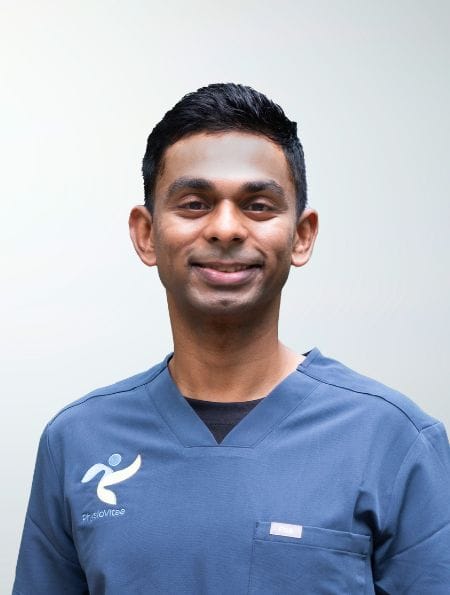
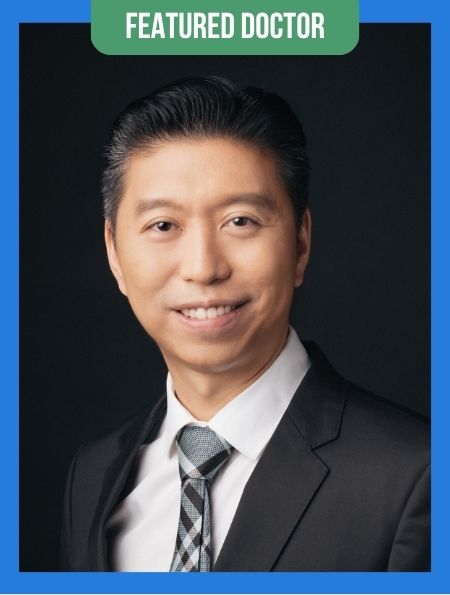
If you are looking for a physiotherapy treatment to aid your recovery or manage your health, you can consider our Preferred Physiotherapists:
- Koe Zi Yi is the specialist you see when your recovery involves the “heart and lungs.” He has expertise in bridging the gap between hospital-grade treatment and daily life, helping patients with complex conditions like Chronic Obstructive Pulmonary Disease (COPD) and Heart Failure breathe with ease and move with confidence.
- Rethinam Ganesan is a recognised leader in cardiopulmonary rehabilitation. He blends evidence-based physiotherapy with lifestyle medicine to help patients prevent and manage chronic diseases.


Back To: Physiotherapy Main Page
All content on this site is informative only and is not intended to be a substitute for professional medical advice, diagnosis, or treatment, and should never be relied upon for specific medical advice. If you are experiencing a medical emergency, call 995 immediately or go to the nearest Accident & Emergency department.
health365.sg is a member of Group 365Asia.