

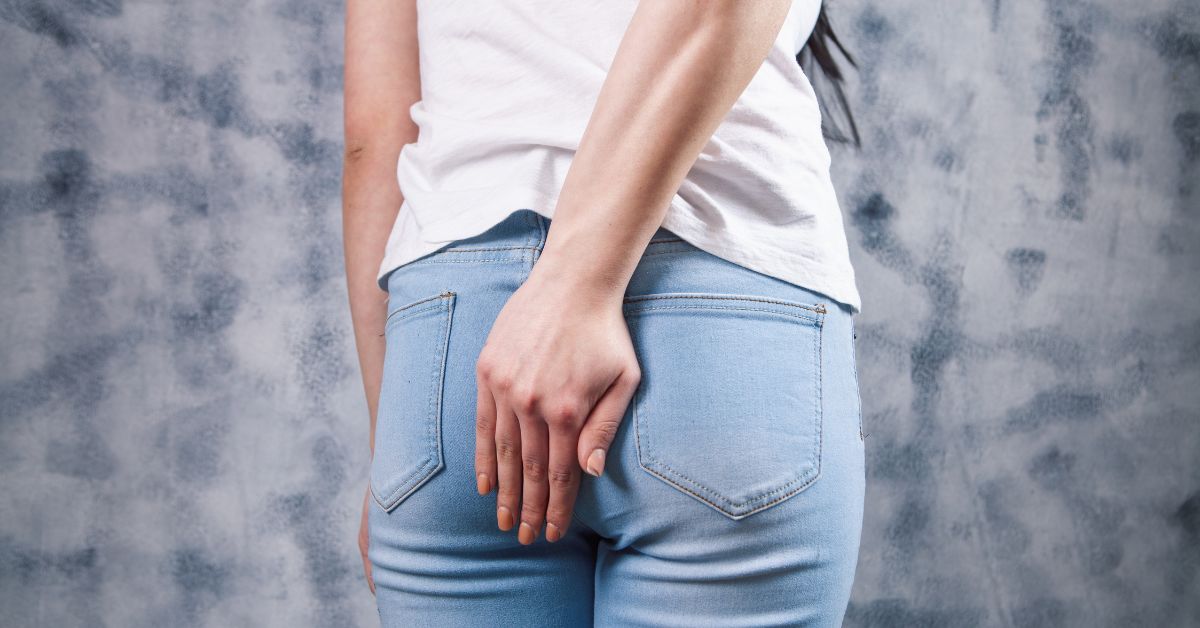
Piles, medically known as haemorrhoids, are a common yet often embarrassing condition that affects millions of people worldwide. In Singapore, piles are one of the most frequently treated anorectal conditions. Understanding their causes, symptoms, diagnosis, and treatment options is essential for effective management. This guide provides a comprehensive overview of piles treatment, including modern methods such as laser surgery, and discusses the cost of piles treatment in Singapore.
Get An Appointment With A Colorectal Surgeon
Contact UsBack To: Anorectal Conditions Main Page
What Are Piles?
Piles are swollen and inflamed veins located in the rectum and anus. These veins act as cushions that help with stool control, but when they become enlarged due to increased pressure, they can lead to pain, bleeding, and discomfort.
There are two main types of piles:
- Internal piles: Located inside the rectum, often painless but may cause bleeding during bowel movements.
- External piles: Found under the skin around the anus, often painful and may cause itching or swelling.
In severe cases, piles may protrude from the anus (known as prolapsed haemorrhoids), requiring medical intervention or surgery.
What Causes Piles?
Piles develop when the veins around the anus become under pressure and swell. Common causes include:
- Chronic constipation or diarrhoea: Straining during bowel movements puts excess pressure on rectal veins.
- Low-fibre diet: Insufficient fibre intake leads to hard stools and straining.
- Pregnancy: Increased pressure in the pelvic area can lead to the formation of piles.
- Prolonged sitting: Sedentary lifestyles and long hours at a desk can contribute to venous congestion.
- Obesity: Excess weight increases abdominal pressure.
- Ageing: The supporting tissues around the anal area weaken over time.
- Heavy lifting: Frequent lifting of heavy objects raises intra-abdominal pressure, increasing risk.
Who Is At Risk For Developing Piles?
While piles can affect anyone, certain risk factors increase susceptibility:
- Family history: Genetics may predispose some individuals to weaker vein walls.
- Pregnancy and childbirth: Hormonal changes and physical pressure increase the risk.
- Sedentary lifestyle: Reduced movement leads to poor blood circulation in the rectal veins.
- Chronic constipation: Consistent straining damages veins over time.
- Low-fibre diet: Leads to irregular bowel habits.
- Older age: Tissues lose elasticity and strength.
Recognising these risk factors early can help in piles prevention and timely piles treatment.
Symptoms Of Piles
Piles symptoms vary depending on their type and severity. Common symptoms include:
- Bright red bleeding during bowel movements.
- Itching or irritation around the anus.
- Pain or discomfort, especially while sitting.
- Swelling or lumps around the anus.
- Mucus discharge after passing stool.
- A feeling of incomplete evacuation.
If these symptoms persist for more than a week, medical advice should be sought. Early diagnosis can prevent complications such as thrombosis (clot formation within the pile).
How Is Piles Diagnosed?
Diagnosis of piles is straightforward and usually involves a combination of physical examination and medical history assessment.
1. Visual and Digital Rectal Examination
The doctor examines the anal area to identify external haemorrhoids or prolapsed internal piles. A digital rectal examination (using a gloved, lubricated finger) may also be performed.
2. Proctoscopy or Anoscopy
A small tube with a light (proctoscope) is inserted into the rectum to view internal haemorrhoids. This is a quick, minimally invasive procedure done in a clinic.
3. Colonoscopy or Sigmoidoscopy
If bleeding is significant or the diagnosis is uncertain, further investigations may be recommended to rule out colorectal cancer or other gastrointestinal conditions.
Accurate diagnosis ensures the correct piles treatment plan is chosen.
What Are The Treatment Options For Piles?
Treatment depends on the severity of the piles and the symptoms.
1. Lifestyle and Home Remedies
- Increase fibre intake: Fruits, vegetables, and whole grains help soften stools.
- Stay hydrated: Drink plenty of water daily.
- Avoid straining: Do not sit for prolonged periods on the toilet.
- Exercise regularly: Improves bowel function and circulation.
- Warm sitz baths: Soothe discomfort and reduce swelling.
These remedies help in mild cases and are often the first line of management.
2. Non-Surgical Medical Treatment
For moderate cases where home remedies do not suffice, doctors may recommend:
- Topical ointments or suppositories: Contain hydrocortisone or local anaesthetics to reduce itching and pain.
- Oral medications: Help relieve inflammation and improve venous tone.
- Rubber band ligation: A small rubber band is placed around the base of an internal pile, cutting off blood supply and causing it to shrink.
- Sclerotherapy: A chemical injection causes the haemorrhoid to shrink and scar.
- Infrared coagulation: Heat is used to coagulate blood vessels, reducing pile size.
3. Surgical Piles Treatment
When non-surgical methods fail or piles are large and prolapsed, surgical intervention is required. Surgical piles treatment in Singapore is performed by colorectal surgeons using advanced techniques.
(a) Haemorrhoidectomy
This is the traditional surgery where haemorrhoidal tissue is completely removed. It is very effective for severe or recurrent piles. However, it may require a few weeks of recovery due to postoperative discomfort.
(b) Stapled Haemorrhoidopexy (PPH)
This minimally invasive procedure uses a circular stapling device to reposition and cut off blood flow to the piles. It causes less pain and allows faster recovery.
(c) Laser Piles Treatment
Laser haemorrhoidoplasty is a modern, minimally invasive piles treatment option gaining popularity in Singapore. It involves using a precise laser beam to shrink the haemorrhoidal tissue.
Advantages of laser piles treatment include:
- Minimal bleeding
- Shorter operation time
- Less postoperative pain
- Quick recovery (usually within a few days)
- Outpatient or day surgery procedure
Laser treatment is ideal for patients with grade II–III haemorrhoids who seek a fast and low-risk recovery option.
Cost Of Piles Treatment In Singapore (Surgical Options)
The cost of piles treatment in Singapore depends on the hospital, type of procedure, and severity of the condition. Rubber band ligation may cost a few thousand dollars. Surgical options (MOH TOSP code: SF836A – Anus, Hemorrhoids, Hemorrhoidectomy With Or Without Sigmoidoscopy) may cost S$8,900 and S$11,600, depending on the complexity of the operation, hospital, surgeon, etc.
Recovery And Postoperative Care
After surgical piles treatment, patients are advised to:
- Avoid straining and maintain a high-fibre diet.
- Take prescribed painkillers or stool softeners.
- Keep the anal area clean and dry.
- Avoid heavy lifting for a few weeks.
Most patients can return to work within 3–7 days after laser treatment, while conventional surgery may require a longer recovery period.
Preferred Doctors (Colorectal Surgeon) For Piles Treatment
If you are looking for a colorectal surgeon for piles treatment, you can consider our Preferred Doctors:
- Dr Chong Choon Seng is a highly experienced colorectal surgeon in Singapore known for his expertise in minimally invasive and robotic techniques for colorectal cancer, polyps, and complex anorectal conditions. With extensive training and years of surgical practice, he is trusted for delivering safe, precise, and evidence‑based care tailored to each patient’s needs.
- Dr Lee Kuok Chung is a highly experienced colorectal surgeon with nearly 20 years of practice, specialising in minimally invasive and robotic surgery for colorectal cancer and complex perianal conditions. He is also one of the few surgeons in Singapore skilled in advanced endoscopic techniques such as EMR and ESD, allowing large polyps and early cancers to be removed without major surgery.
- Dr Daniel Lee is a highly experienced colorectal surgeon in Singapore, known for his expertise in minimally invasive techniques such as laparoscopic colorectal surgery, TAMIS, and advanced laser procedures for piles, fistulas, and pilonidal disease. Dr Lee is trusted for handling even the most challenging cases.

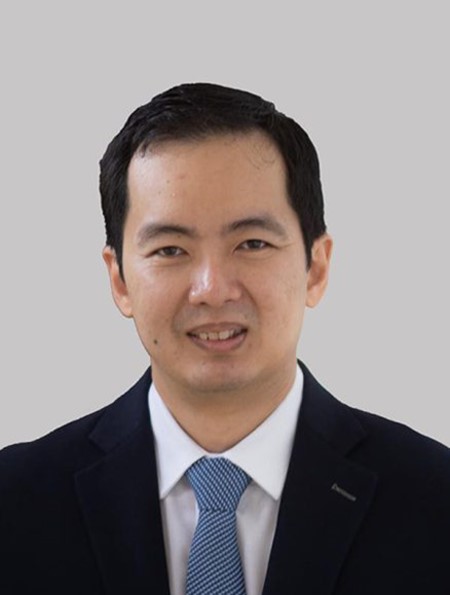


Dr Chong Choon Seng 张峻诚医生

[SG] Featured Doctor- Dr Kevin Koo
Frequently Asked Questions (FAQ)
Laser piles treatment is highly effective and provides long-term relief. However, recurrence can occur if lifestyle factors such as chronic constipation are not managed.
Recovery varies depending on the procedure. Laser treatment typically allows recovery within a week, while haemorrhoidectomy may take two to four weeks.
While piles are not life-threatening, untreated cases may lead to complications such as anaemia (due to chronic bleeding), thrombosis, or strangulation of prolapsed haemorrhoids.
Get An Appointment With A Colorectal Surgeon
Piles are a common yet manageable condition when diagnosed and treated early. Modern techniques, especially laser piles treatment, offer effective, minimally invasive solutions with quick recovery times. Singapore provides world-class medical facilities and experienced colorectal specialists, making it a leading destination for piles surgery.
If you experience persistent bleeding, discomfort, or swelling around the anal area, consult a specialist to discuss the best piles treatment for your condition.
Contact UsBack To: Anorectal Conditions Main Page
All content on this site is informative only and is not intended to be a substitute for professional medical advice, diagnosis, or treatment, and should never be relied upon for specific medical advice. If you are experiencing a medical emergency, call 995 immediately or go to the nearest Accident & Emergency department.
health365.sg is a member of Group 365Asia.