

Obstructive Sleep Apnea Can Double Cardiovascular Risks: The Big Story

Obstructive Sleep Apnea May Double Your Cardiovascular Risks
Obstructive Sleep Apnea (OSA) is a common but often underdiagnosed sleep disorder that causes repeated interruptions in breathing during sleep. These pauses occur when the muscles in the throat relax excessively, blocking the airway. Each time this happens, oxygen levels in the blood drop, and the brain briefly awakens the body to resume breathing.
Over time, this cycle leads to poor sleep quality, daytime fatigue, and increased risks of serious health complications. While OSA can affect anyone, studies show that it is more prevalent among middle-aged adults, men, and individuals who are overweight.
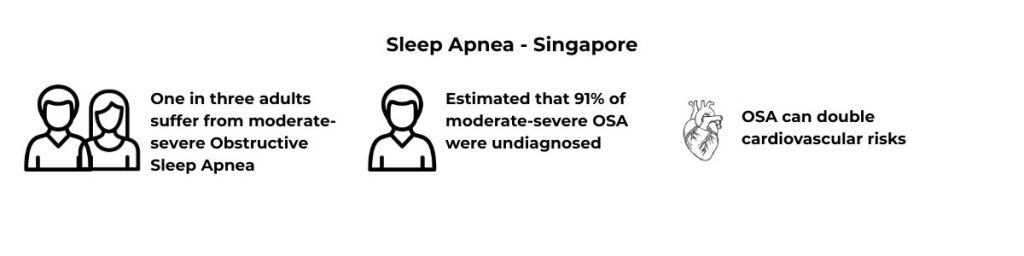
Sleep Apnea Singapore Statistics
Obstructive Sleep Apnea is far more common than most people realise. According to the Singapore Health Study up to one-third of Singaporean adults may suffer from moderate to severe OSA, with many remaining undiagnosed. In Singapore, sleep disorders such as OSA are on the rise due to lifestyle changes, late-night screen use, and increasing obesity rates.
The high rate of OSA sufferers not knowing they have the condition earns it the title of a “silent” condition.
What Are The Symptoms Of Obstructive Sleep Apnea?
OSA symptoms may appear subtle at first, but over time they can significantly affect daily functioning and health. Common warning signs include:
- Loud, persistent snoring
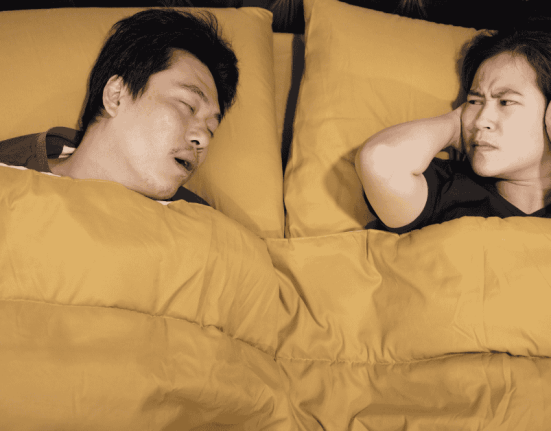
- Pauses in breathing during sleep (often noticed by a partner)
- Waking up gasping or choking
- Morning headaches
- Excessive daytime tiredness
- Difficulty concentrating or memory lapses
- Irritability or mood changes
Why Should Obstructive Sleep Apnea Not Be Ignored?
Untreated Obstructive Sleep Apnea can lead to a range of serious health problems. Each apnea event stresses the cardiovascular system and disrupts the body’s ability to rest and recover. Long-term complications include:
- High blood pressure and heart disease
- Stroke
- Type 2 diabetes
- Weight gain and metabolic disorders
- Depression and anxiety
- Increased risk of workplace and road accidents due to fatigue
Studies also warn that untreated OSA is linked to a twofold increase in cardiovascular risk, particularly in middle-aged men. Timely diagnosis and treatment can reduce these risks dramatically.
Who Is At Risk Of Developing Obstructive Sleep Apnea?
Although OSA can affect anyone, certain factors increase the likelihood of developing the condition:
- Being overweight or obese
- Male gender (men are up to three times more likely to have OSA)
- Family history of sleep apnea
- Narrow airway, enlarged tonsils, or adenoids
- Smoking and alcohol consumption
- Ageing (risk increases with age)
In children, OSA may be caused by enlarged tonsils or adenoids, leading to restless sleep and poor school performance. ENT specialists can perform a physical examination to identify such causes early.
What Are The Top 3 Causes Of Sleep Apnea?
Obstructive Sleep Apnea occurs when the muscles and soft tissues in the throat relax excessively during sleep. This causes a blockage that interrupts normal breathing. While several factors can contribute to this happening, three causes stand out as the most common and significant.
Excess Weight And Obesity
Excess body weight is one of the strongest risk factors for obstructive sleep apnea. Fat deposits in the neck around the upper airway can narrow the breathing passages. This makes it easier for the airway to collapse during sleep, leading to partial or complete obstruction.
Structural Or Anatomical Abnormalities Of The Airway
The physical structure of a person’s airway can predispose them to OSA, even if they are not overweight. Anatomical abnormalities that reduce airway space include:
- Deviated nasal septum (a crooked nasal passage)
- Enlarged tonsils or adenoids (common in children and some adults)
- A naturally narrow airway
- Retrognathia (a small or receding jaw that pushes the tongue backward)
Age-Related Muscle Relaxation And Loss Of Airway Tone
As we age, muscle tone throughout the body naturally decreases. This includes muscle tone in our throat and tongue. When throat or tongue muscles lose tone, they can relax too much during sleep and cause the soft palate or tongue to fall backward, block ing airflow.
Older adults, particularly men over 40, are at higher risk of developing OSA due to this physiological change.
Learn More About Obstructive Sleep Apnea
Comment: The row below to be moved to article for healthcare professionals article
Find A Doctor
Verified Healthcare Professionals
We connect you with a network of qualified and experienced doctors who specialise in chronic health conditions, health screening, and longevity.
Trusted Information Source
We pride ourselves on providing accurate, up-to-date, and evidence-based information about each disease, its prevention, and treatment.
Privacy and Security
Your health information and personal data are paramount to us. We will protect your privacy throughout the booking process and beyond.
Convenience at Your Fingertips
Our user-friendly platform allows you to find and book appointments 24/7 from the comfort of your home.
Doctors You Can Consider For Sleep Apnea Treatments:




Dr Alex Tham answers key questions about sleep apnea and explains how it is diagnosed and treated.
Snoring isn’t just a nuisance — it could be sleep apnoea, a condition that raises your risk of heart disease, stroke and diabetes. Get checked early. Sleep better. Live better.
Dr Alex Tham
Book An Appointment
Take a proactive step for your health and peace of mind today. If you need to see a doctor about sleep apnea, our team is here to assist.
Financials
[findDoctor category="financial consultants" countries="Singapore" " limit="15"]
Related Content






FAQs - Test Your Knowledge About Sleep Apnea
There are actually three main types of sleep apnea:
- Obstructive Sleep Apnea (OSA): The most common form. This is caused by physical blockage of the airway, often due to relaxed throat muscles or structural issues.
- Central Sleep Apnea (CSA): Occurs when the brain fails to send the proper signals to the muscles that control breathing. This form is less common and often linked to neurological or heart conditions.
- Complex (Mixed) Sleep Apnea: A combination of both obstructive and central types.
Proper diagnosis through a sleep study can determine the specific type and guide effective treatment.
Obstructive Sleep Apnea is a sleep disorder where the airway becomes partially or completely blocked during sleep, causing breathing to repeatedly stop and start. This happens when the muscles in the throat relax excessively, narrowing the airway. As a result, oxygen levels drop and the brain briefly wakes the person to reopen the airway.
People with OSA often snore loudly, wake up gasping for air, or feel excessively tired during the day despite a full night’s rest. In Singapore, OSA affects up to one in three adults—many of whom remain undiagnosed. Treatment from an ENT or sleep specialist can significantly improve sleep quality and overall health.
Obstructive Sleep Apnea can occur due to a combination of physical and lifestyle factors. The most common causes include:
- Excess weight or obesity: Fat deposits around the airway can restrict airflow.
- Anatomical issues: Enlarged tonsils, a deviated nasal septum, or a naturally narrow airway can increase the likelihood of blockage.
- Age and muscle tone: Older adults may experience reduced muscle strength in the throat, making airway collapse more likely.
- Lifestyle factors: Alcohol, smoking, and sedative use can relax throat muscles and worsen OSA.
ENT specialists can help identify the underlying cause and recommend appropriate treatments—ranging from CPAP therapy to surgical correction of airway blockages.
Common symptoms of OSA include:
- Loud, persistent snoring
- Pauses in breathing during sleep (noticed by a partner)
- Waking up choking or gasping
- Morning headaches or dry mouth
- Difficulty concentrating during the day
- Excessive daytime sleepiness or fatigue
- Mood changes or irritability
Because symptoms can develop gradually, many people are unaware they have the condition until a partner observes irregular breathing patterns. A proper diagnosis through a sleep study is the best way to confirm OSA.
Treatment depends on the severity and cause of OSA, but may include:
- Lifestyle changes: Weight loss, regular exercise, avoiding alcohol, and sleeping on one’s side.
- Continuous Positive Airway Pressure (CPAP): A device that delivers steady air pressure to keep the airway open during sleep.
- Oral appliances: Custom-fitted devices that reposition the jaw or tongue.
- Surgery: Procedures to remove or correct physical obstructions, such as enlarged tonsils or a deviated septum.
Additional Resources
- Snoring And OSA | Asian Healthcare Specialists
- The Dangers of Uncontrolled Sleep Apnea | Johns Hopkins Medicine
- Recognising Sleep Apnea| Singapore Medical Journal
- Overview of the CRESCENT Trial: Comparing Treatments for Sleep Apnea and Hypertension | National University Heart Centre Singapore
- Long-term health outcomes for patients with obstructive sleep apnea | Journal Of Clinical Sleep Medicine
.