

Shoulder Pain-The Big Story

Shoulder Pain In Singapore Holding You Back? Start Here
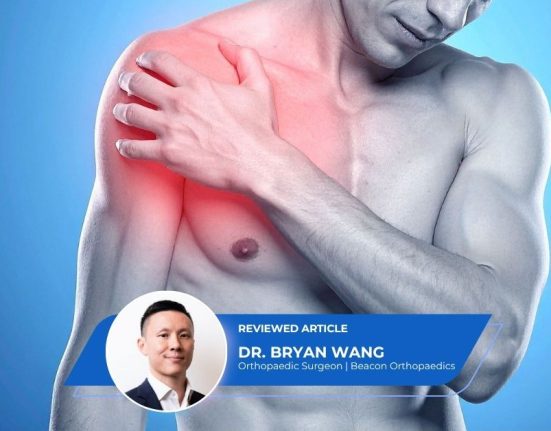
Shoulder Pain Singapore – The flexibility of the shoulder joint makes it vulnerable to injury, degeneration, and overuse. Shoulder pain can range from mild discomfort to severe pain that interferes with daily activities, sleep, and work. Understand why shoulder pain happens, how they are diagnosed, and the available treatment options.
What Are The Symptoms Of Shoulder Pain?
Shoulder pain itself is a symptom of an underlying condition. Such conditions may cause you to experience the following:
- Shoulder pain at the joint, muscles, tendons, or ligaments at the shoulder.
- Pain with certain types of movements, such as lifting your arm.
- Stiffness or tightness in the neck and shoulder.
- Shoulder feeling unstable or weak.

Singapore Statistics For Shoulder Pain
It has been estimated that:
- 33% of people will experience shoulder pain in their lifetime, with a higher prevalence in people over 40.
- In a SGH study on the prevalence of musculoskeletal disorders among office workers in Singapore, 73% of the respondents reported experiencing pain in at least one of the body parts.
- The highest report of pain were neck (46%), shoulder (42%) and low back (42%).
- Musculoskeletal disorders were more common in female (79%) compared to male (64%).
What Are The Common Causes Of Shoulder Pain And Who Is At Risk?
Common causes of shoulder pain in Singapore include:
- Frozen Shoulder.
- Rotator Cuff Tears.
- Rotator Cuff Tendinopathy And Impingement.
- Shoulder Osteoarthritis.
- Shoulder Instability And Dislocations.
- Referred Pain From The Neck.
Shoulder pain is often be caused by injury or overuse. Risk factors include:
- Performing frequent or repetitive arm movements.
- Taking part in activities like baseball, football, softball, gymnastics, climbing, or basketball.
- Having previous injuries to the spine or a history of liver, heart, or gallbladder conditions.
- Being over 60, when soft tissues such as cartilage and tendons naturally weaken.
Learn More About Shoulder Pain
Find The Best Orthopaedic Doctor In Singapore
When it comes to your shoulder health, you naturally would like to find the best orthopaedic doctor in Singapore. How would you identify such a doctor? Find out from our Guide To Finding The Best Orthopaedic Doctor In Singapore.
Comment: The row below to be moved to article for healthcare professionals article
Find A Doctor
Verified Healthcare Professionals
We connect you with a network of qualified and experienced doctors who specialise in chronic health conditions, health screening, and longevity.
Trusted Information Source
We pride ourselves on providing accurate, up-to-date, and evidence-based information about each disease, its prevention, and treatment.
Privacy and Security
Your health information and personal data are paramount to us. We will protect your privacy throughout the booking process and beyond.
Convenience at Your Fingertips
Our user-friendly platform allows you to find and book appointments 24/7 from the comfort of your home.
Our Preferred Doctor You Can Consider For Shoulder Pain Treatment
Dr Bryan Wang is an experienced orthopaedic surgeon in Singapore known for his patient-centred approach, advanced minimally invasive techniques, and comprehensive management of complex shoulder conditions.



Shoulder pain can often signal underlying joint or tendon problems. If you experience persistent pain, weakness, or difficulty lifting your arm overhead, it’s important to see an orthopaedic specialist, as these symptoms may indicate conditions such as a rotator cuff tear or impingement syndrome. Early diagnosis and treatment can help prevent further damage, restore mobility, and get you back to your normal activities sooner.
Dr Bryan Wang
Book An Appointment
Take a proactive step for your health and peace of mind today. If you need to see a doctor about shoulder pain treatment, our team is here to assist.
Financials
[findDoctor category="financial consultants" countries="Singapore" " limit="15"]
Related Content


FAQs - Test Your Knowledge About Shoulder Pain
You should seek medical advice if shoulder pain lasts longer than one to two weeks, worsens over time, affects sleep, limits arm movement, or follows an injury or fall.
Mild shoulder pain may improve with rest and activity modification. However, many conditions such as frozen shoulder or rotator cuff tears require proper diagnosis and treatment to prevent prolonged pain or stiffness.
Recovery time varies depending on the condition. Some mild cases improve within weeks, while conditions such as frozen shoulder or post-surgical recovery may take several months to over a year.
Treatment may include physiotherapy, pain-relief medications, steroid injections, and in some cases, surgery. The choice of treatment depends on the diagnosis, severity of symptoms, and individual patient factors.
No. Most shoulder conditions can be effectively managed with non-surgical treatments such as physiotherapy, activity modification, and medications. Surgery is usually considered only when conservative treatment does not provide adequate relief or in cases of significant structural damage.
Additional Resources
- Shoulder Specialist In Singapore | Beacon Orthopaedics
- Your Guide to Shoulder Arthroscopic Surgery Recovery | Beacon Orthopaedics
- Shoulder Instability | SingHealth
- Shoulder Impingement Syndrome (Rotator Cuff Tendinitis) | Cleveland Clinic
- Shoulder Osteoarthritis (Degenerative Arthritis of the Shoulder) | WebMD
.