


Cardiovascular conditions remain a major cause of ill health in Singapore. Participating in a structured cardiac rehab physiotherapy session is an essential step towards safely restoring cardiovascular function and improving physical resilience after a heart event. During these clinical sessions, qualified physiotherapists guide patients through tailored exercise prescription, continuous baseline monitoring, and lifestyle education. The goal of every session is to improve functional capacity, lower secondary cardiac risks, and rebuild physical confidence safely within an accredited clinical centre.
Get An Appointment With A Physiotherapist
Contact UsBack To: Physiotherapy Main Page
Understanding The Clinical Need For Rehabilitation
Cardiovascular diseases account for nearly one-third of all deaths in Singapore annually. Following an acute cardiac event, surgical intervention, or diagnosis of heart disease, patients frequently experience reduced physical stamina, anxiety regarding exertion, and diminished quality of life. Without structured physical rehabilitation, functional decline can become chronicised. Cardiac rehabilitation provides a clinically validated framework to help individuals safely resume daily activities, manage cardiovascular symptoms, and minimise the likelihood of secondary hospital re-admissions.
What Is A Cardiac Rehab Physiotherapy Session?
A cardiac rehab physiotherapy session is a targeted clinical intervention designed to monitor heart health while restoring physical exercise capacity safely. Led by trained physiotherapists, each session combines tailored aerobic training, strength building, and physiological monitoring to help individuals recovering from heart conditions regain endurance, manage cardiovascular risks, and safely improve their overall functional independence.
During a session, physiotherapists evaluate cardiovascular responses to controlled physical stress. Heart rate, blood pressure, and oxygen saturation are continuously tracked to ensure myocardial oxygen demand remains within safe clinical limits. This structured aerobic conditioning promotes vascular adaptation, enhances endothelial function, improves peripheral oxygen extraction by skeletal muscle, and mitigates long-term cardiac workload during routine activities.
Monitoring Key Clinical Indicators During Therapy
| Clinical Indicator | Clinical Significance During Rehabilitation |
| Heart Rate Response | Ensures exercise intensity stays within calculated target heart rate zones. |
| Blood Pressure Trajectory | Detects abnormal hypertensive or hypotensive responses to exertion. |
| Rating of Perceived Exertion | Measures subjective physical fatigue to prevent overexertion during training. |
| Oxygen Saturation | Verifies adequate arterial oxygenation throughout active physical conditioning. |
How Do Physiotherapists Structure A Cardiac Rehab Physiotherapy Session?
A cardiac rehab physiotherapy session begins with an initial clinical assessment, followed by a warm-up, prescribed aerobic exercise, progressive resistance training, and a structured cool-down period. Throughout all phases, physiotherapists continuously monitor vital signs and subjective exertion levels to ensure patient safety, optimal physical recovery, and gradual conditioning.
Patients typically engage in treadmill walking or stationary cycling tuned to precise clinical intensities. Exercise programmes are individualised based on underlying heart function, surgical history, and orthopaedic considerations. Physiotherapists also incorporate education on breathing mechanics and energy conservation techniques, helping patients adopt safe physical behaviour patterns during home recovery.
Components Of A Structured Rehabilitation Session
| Rehabilitation Phase | Primary Objective And Clinical Focus |
| Clinical Assessment | Evaluates baseline blood pressure, heart rate, and resting symptoms. |
| Warm-Up Phase | Prepares the myocardium and musculoskeletal system for physical activity. |
| Conditioning Phase | Delivers targeted aerobic and strength exercise to build physical endurance. |
| Cool-Down Phase | Allows cardiac output and peripheral circulation to return to resting baseline. |
Frequently Asked Questions About Cardiac Rehabilitation
Patients preparing for a cardiac rehab physiotherapy session often have questions regarding safety, session duration, and overall programme suitability. Structured rehabilitation is guided by clinical evidence to ensure safety across various cardiovascular conditions, helping individuals rebuild endurance, manage exercise tolerance, and enhance overall quality of life effectively.
Q1: How long does a cardiac rehab physiotherapy session usually last?
A standard session typically lasts between 45 to 60 minutes. This timeframe allows sufficient time for vital sign assessment, structured warm-up, monitored aerobic conditioning, progressive resistance exercises, and a gradual cool-down phase, ensuring comprehensive patient safety throughout the clinical visit.
Q2: Is a cardiac rehab physiotherapy session safe after recent heart surgery?
Yes, these sessions are structured specifically for post-surgical recovery. Qualified physiotherapists tailor physical exertion to precise clinical limits, using continuous blood pressure monitoring and telemetry to maintain safety while progressively restoring functional exercise capacity, improving physical stamina, and lowering secondary cardiac risk factors.
Q3: Who can benefit from attending a cardiac rehab physiotherapy session?
Individuals recovering from heart attacks, coronary artery bypass grafting, angioplasty, heart failure, or stable angina benefit significantly from therapy. Participating in a structured rehabilitation programme helps patients safely restore cardiovascular function, manage physical fatigue, and resume routine daily activities with confidence.
Find A Physiotherapist For Cardiac Rehabilitation
If you are looking for a Physiotherapist for cardiac rehabilitation, you can consider our Preferred Physiotherapists:
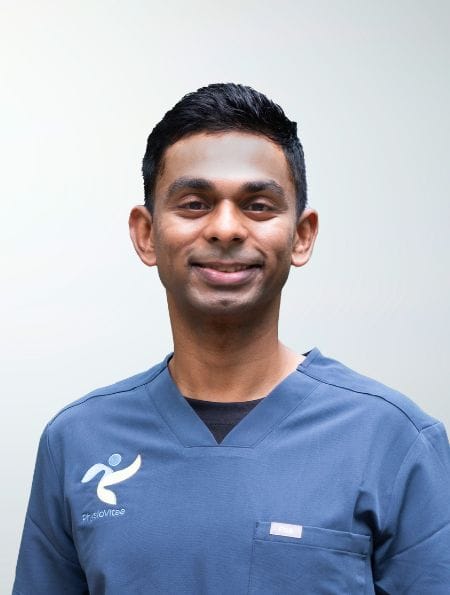
- Koe Zi Yi is the specialist you see when your recovery involves the “heart and lungs.” He has expertise in bridging the gap between hospital-grade treatment and daily life, helping patients with complex conditions like Chronic Obstructive Pulmonary Disease (COPD) and Heart Failure breathe with ease and move with confidence.
- Rethinam Ganesan is a recognised leader in cardiopulmonary rehabilitation. He blends evidence-based physiotherapy with lifestyle medicine to help patients prevent and manage chronic diseases.



How Can You Schedule An Appointment For Cardiac Rehabilitation?
If you or a family member are recovering from a heart event or wish to improve your cardiovascular endurance safely, consulting a qualified cardiovascular healthcare specialist is an essential next step. Click the WhatsApp button to schedule an appointment with a specialist physiotherapist to discuss your personalised recovery plan.
Contact UsBack To: Physiotherapy Main Page
All content on this site is informative only and is not intended to be a substitute for professional medical advice, diagnosis, or treatment, and should never be relied upon for specific medical advice. If you are experiencing a medical emergency, call 995 immediately or go to the nearest Accident & Emergency department.
health365.sg is a member of Group 365Asia.