

Anal Fistula – The Big Story

Finding Relief from Anal Fistula: Expert Care and Minimally Invasive Solutions – The Big Story
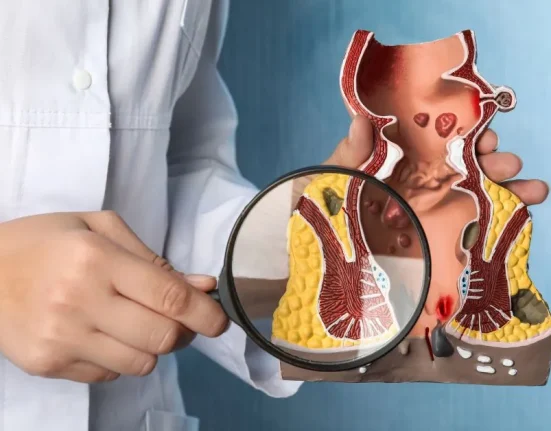
An anal fistula is an abnormal tunnel-like connection that typically develops between the skin around the anus and the anal canal. Most anal fistulas result from a previous anal abscess that did not heal properly, leading to a persistent drainage pathway.
Anal fistulas can be very uncomfortable and are unlikely to heal without medical intervention such as surgery. They are a condition managed by colorectal surgeons in Singapore.
What Are The Common Symptoms Of An Anal Fistula?
Patients suffering from an anal fistula may experience several uncomfortable symptoms. These typically include:
- Persistent or recurrent skin irritation around the anus.
- A throbbing, constant pain that may worsen when sitting down, moving, or during bowel movements.
- Discharge of pus, blood, or foul-smelling fluid from an opening near the anus.
- Swelling and redness around the anal area.
- Fever and chills in cases where a new abscess is forming.
How Is An Anal Fistula Diagnosed?
A medical professional usually diagnoses an anal fistula through a physical examination. The doctor will look for an external opening on the skin. In some cases, further diagnostic imaging such as an ultrasound or an MRI (Magnetic Resonance Imaging) may be required to map the fistula track and ensure it is not involving the sphincter muscles.
What Are The Treatment Options For Anal Fistula In Singapore?
Anal fistulas rarely heal on their own and typically require surgical intervention. In Singapore, several surgical methods are available, ranging from traditional techniques to modern, minimally invasive procedures.
Traditional Surgery: Fistulectomy And Fistulotomy
The conventional approach involves either a fistulotomy (cutting the track open to heal from the inside out) or a fistulectomy (complete removal of the fistula track). While effective, these methods may carry a risk of damaging the anal sphincter muscles, which could lead to bowel incontinence.
Video-Assisted Anal Fistula Treatment (VAAFT)
VAAFT is a minimally invasive, “sphincter-saving” technique. A surgeon uses a specialized endoscope (fistuloscope) to look inside the fistula track. This allows for precise cleaning and closure of the internal opening from the inside, significantly reducing the risk of muscle damage and shortening recovery time.
Laser Ablation Of Fistula Track (FiLaC)
FiLaC (Fistula-laser Closure) is another modern, minimally invasive option. It involves using a radial-emitting laser probe to deliver energy into the fistula track. The laser energy causes the track to collapse and seal shut. Like VAAFT, FiLaC is designed to preserve the sphincter muscles and facilitate a faster return to daily activities
Learn More About Anal Fistulas
Comment: The row below to be moved to article for healthcare professionals article
Find A Doctor
Verified Healthcare Professionals
We connect you with a network of qualified and experienced doctors who specialise in chronic health conditions, health screening, and longevity.
Trusted Information Source
We pride ourselves on providing accurate, up-to-date, and evidence-based information about each disease, its prevention, and treatment.
Privacy and Security
Your health information and personal data are paramount to us. We will protect your privacy throughout the booking process and beyond.
Convenience at Your Fingertips
Our user-friendly platform allows you to find and book appointments 24/7 from the comfort of your home.
Our Preferred Doctors You Can Consider
- Dr Daniel Lee is a highly experienced colorectal surgeon in Singapore, known for his expertise in minimally invasive techniques such as laparoscopic colorectal surgery, TAMIS, and advanced laser procedures for piles, fistulas, and pilonidal disease. Dr Lee is trusted for handling even the most challenging cases.
- Dr Ng Jing Yu is a highly accomplished colorectal surgeon with over 17 years of clinical experience. He specialises in advanced, minimally invasive treatments—such as laparoscopic, robotic-assisted, and laser perianal surgeries.
With the advent of minimally invasive techniques, management of anal fistula has evolved significantly - offering patients less discomfort, better healing, and a smoother recovery.Anal fistula is known for its risk of recurrence. For many patients, it can feel especially troublesome when it does recur. That's why it helps to have a surgeon who can journey with you, guiding you through each step with the right treatment options and support.
Dr Daniel Lee

Powered by Find by 365Asia


[SG] Featured Doctor- Dr Kevin Koo
Orthopaedic Surgeon In Singapore
Book An Appointment
Take a proactive step for your health and peace of mind today. If you wish to get an appointment with a specialist, our team is here to assist.
Financials
[findDoctor category="financial consultants" countries="Singapore" " limit="15"]
Related Content



FAQs On Anal Fistula
The Fistula-laser Closure (FiLaC) technique is a modern, minimally invasive procedure that uses laser energy to seal the fistula track. Clinical studies indicate that the success rate for FiLaC generally ranges between 40% and 80%. While this may be lower than traditional “open” surgery, it is highly regarded for its “sphincter-saving” nature, meaning it carries a very low risk of causing bowel incontinence.
VAAFT is a specialised endoscopic procedure that allows surgeons to view the internal track of a fistula on a video monitor. The primary advantage of VAAFT is its precision; it allows the surgeon to identify and treat secondary tracks or hidden internal openings that might be missed during conventional surgery. Research suggests VAAFT has a success rate of approximately 65% to 86%. Because the surgery is performed from within the track, there is no need to cut through the anal sphincter muscles, preserving the patient’s continence.
It is important to note that an anal fistula almost never heals on its own without medical intervention. While the symptoms, such as discharge or pain, may occasionally subside, the underlying tunnel between the bowel and the skin remains. If left untreated, a fistula may lead to recurrent abscesses (painful collections of pus) or the development of more complex, branching tracks that are harder to treat. Therefore, early consultation with a medical professional is recommended.
Recovery times for modern procedures like VAAFT and FiLaC are typically much shorter than traditional surgeries. Most patients undergo these as day surgery or with a short one-night hospital stay. Because there are no large open wounds, many individuals find they can return to light office work within a few days and resume normal physical activities within one to two weeks. In contrast, traditional “lay-open” surgeries (fistulotomy) can involve several weeks of wound care and dressing changes.
One of the greatest concerns for patients undergoing fistula surgery is the risk of damage to the anal sphincter muscles, which can lead to a loss of bowel control. Modern treatments like VAAFT and FiLaC are specifically designed as “sphincter-sparing” techniques. Because these methods do not require the surgeon to cut through the primary muscle groups responsible for continence, the risk of postoperative incontinence is extremely low.
Additional Resources
- VAAFT: Video Assisted Anal Fistula Treatment | National Library Of Medicine
- Effectiveness of Laser-Based Fistula Therapies | National Library Of Medicine
- Fistulotomy | Cleveland Clinic
.