


For many decades, muscle was viewed primarily through the lens of aesthetics—the “gym bro” lifting heavy weights or the athlete training for a marathon. However, as Singapore moves toward the Healthier SG initiative, a significant paradigm shift is occurring in local clinics and community centres. Doctors are no longer just prescribing pills; they are starting to prescribe strength as a core component of a chronic disease management programme.
Get An Appointment With A Specialist For Chronic Disease Management Via Exercise
Contact UsBack To: Physiotherapy Main Page
Back To: Bone And Orthopaedic Health Main Page
Why Is Muscle Considered A Vital Part Of A Chronic Disease Management Programme?
The emerging science is clear: skeletal muscle is not merely a pulley system for your bones. It is the largest internal organ in your body, functioning as a sophisticated “pharmacy” that produces life-saving chemicals. When we discuss muscle as medicine, we are referring to the use of resistance training as a primary tool to prevent, manage, and even reverse chronic disease.
How Does Muscle Act As An Internal Pharmacy For Your Body?
To comprehend why muscle is medicinal, one must look past the mirror and examine the molecular level. When you contract your muscles against resistance—whether that is a dumbbell, a resistance band, or even your own body weight during a squat—your muscles release signaling molecules called myokines.
Myokines are often referred to as “hope molecules”. They travel through your bloodstream and communicate with your brain, your liver, your fat cells, and even your immune system. These molecules act as natural anti-inflammatories, helping your body fight off the low-grade inflammation that leads to aging and disease. In a high-stress, urban environment like Singapore, these myokines serve as your body’s internal defence system, helping to regulate everything from your metabolism to your mood.
How Does Muscle Assist In Managing Type 2 Diabetes?
Singapore has one of the highest rates of diabetes among developed nations. Muscle is your best ally in the “War on Diabetes”. Your muscles are the primary “sink” for blood sugar, or glucose. After you consume a meal, such as a bowl of laksa or chicken rice, your body breaks those carbohydrates down into sugar.
Healthy, active muscle tissue can “soak up” 70–80% of that glucose from your blood, even without a massive surge of insulin. By increasing your muscle mass, you essentially increase the size of your body’s “sugar sponge,” making it much easier to keep your HbA1c levels in check. This makes resistance training an essential part of any chronic disease management programme for diabetic patients.
Can Strength Training Prevent Sarcopenia And Improve Mobility?
As individuals enter their 40s and 50s, they naturally begin to lose muscle mass—a condition called sarcopenia. For the Pioneer and Merdeka generations in Singapore, this is the leading cause of falls and loss of independence.
Strength training does not just build muscle; it strengthens the neural pathways between your brain and your limbs. This “neuromuscular” medicine improves balance and reaction time, ensuring that a simple trip does not turn into a life-altering hip fracture.
Is Walking Sufficient For Bone Health And Osteoporosis?
Many Singaporeans believe that walking is enough for bone health and to combat osteoporosis. While walking is beneficial, it is not “medicine” for your bones. Bones only grow stronger when they are placed under significant tension. When muscles pull on bones during strength training, it triggers bone-building cells, known as osteoblasts, to lay down new mineral density. This is the most effective non-drug treatment for preventing the “brittle bones” associated with aging.
What Is The Link Between Muscle And Mental Health?
The link between muscle and the brain is one of the most exciting areas of medical research. Resistance training has been shown to reduce symptoms of anxiety and depression as effectively as some frontline medications. Furthermore, the myokines released during exercise help produce Brain-Derived Neurotrophic Factor (BDNF), which acts like “fertiliser” for your brain cells, potentially slowing the onset of dementia.
How Does Muscle For In Other Chronic Disease Management Programmes?
| Condition | How Muscle Helps | Clinical Outcome |
| High Blood Pressure | Improves blood vessel elasticity and reduces resting heart rate. | Lowered risk of stroke and heart attack. |
| Chronic Back Pain | Strengthens the “natural corset” of core muscles. | Reduced reliance on painkillers and better posture. |
| Obesity | Muscle burns more calories at rest than fat tissue. | Easier long-term weight maintenance and metabolic health. |
| High Cholesterol | Enhances the body’s ability to process fats (lipids). | Improved HDL (“good” cholesterol) levels. |
Where Can You Start Your Strength Prescription In Singapore?
The beauty of muscle as medicine is that it is accessible. You do not need a high-end gym membership to start your treatment. In Singapore, the environment is designed to support this through:
- HDB Fitness Corners: Almost every neighbourhood has outdoor resistance equipment designed for pull-ups, dips, and leg presses.
- ActiveSG Gyms: These are affordable, high-quality facilities available to all residents.
- Community Clubs: Many offer “Silver Fitness” or functional strength classes specifically tailored for beginners.
What Is The Recommended Dose For Resistance Training As Part Of A Chronic Disease Management Programme?
Like any medicine, the dose matters. For general health benefits within a chronic disease management programme, the “minimum effective dose” is usually two sessions per week of resistance training. These sessions should target all major muscle groups, including the legs, back, chest, and core.
Is Building Muscle Safe For Everyone?
While muscle is medicine, you would not take a high-dose heart medication without a doctor’s guidance. If you have existing health conditions—such as heart disease, severe joint pain, or uncontrolled diabetes—you should seek a clinical approach to exercise.
In Singapore, specialists are available to bridge the gap between the gym and the clinic. An Exercise Medicine Specialist or a Physiotherapist can help you create a “movement prescription” that is safe for your specific body.
Find A Physiotherapist Or Exercise Medicine Specialist For A Chronic Disease Management Programme
If you are looking for a Chronic Disease Management Programme, you can consider our Preferred Physiotherapists and Preferred Doctors:
Physiotherapists
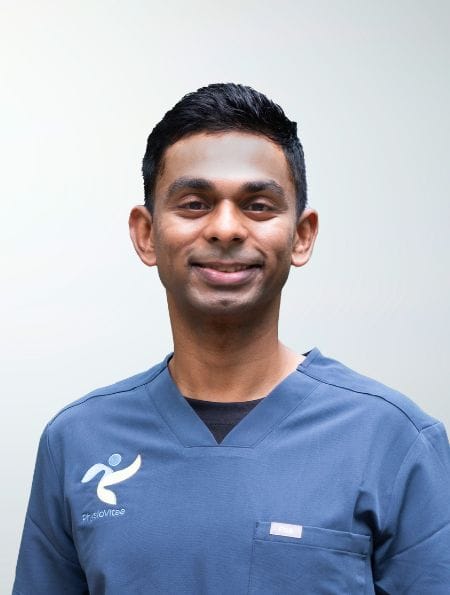
- Koe Zi Yi is the specialist you see when your recovery involves the “heart and lungs.” He has expertise in bridging the gap between hospital-grade treatment and daily life, helping patients with complex conditions like Chronic Obstructive Pulmonary Disease (COPD) and Heart Failure breathe with ease and move with confidence.
- Rethinam Ganesan is a recognised leader in cardiopulmonary rehabilitation. He blends evidence-based physiotherapy with lifestyle medicine to help patients prevent and manage chronic diseases.


Exercise Medicine Doctor
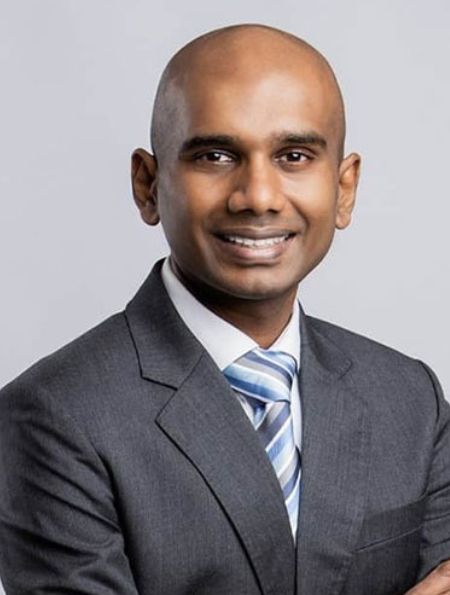
- Dr Ananda Vella is an orthopaedic surgeon with over 20 years of experience treating a wide range of lower limb, sports and general orthopaedic conditions. His expertise includes minimally invasive and arthroscopic techniques for foot and ankle problems, knee and hip conditions, and sports injuries.
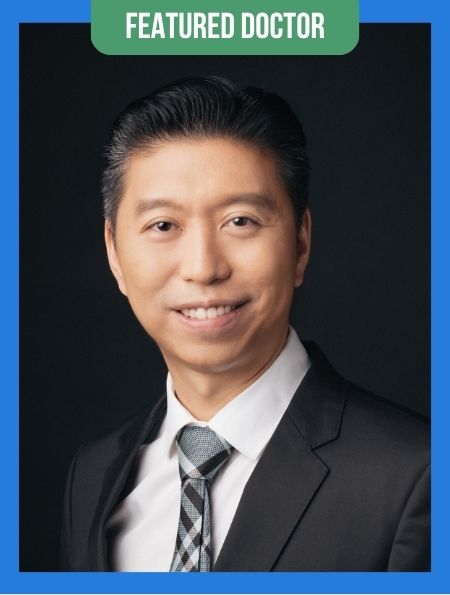
[SG] Featured Doctor- Dr Kevin Koo
Back To: Physiotherapy Main Page
Back To: Bone And Orthopaedic Health Main Page
All content on this site is informative only and is not intended to be a substitute for professional medical advice, diagnosis, or treatment, and should never be relied upon for specific medical advice. If you are experiencing a medical emergency, call 995 immediately or go to the nearest Accident & Emergency department.
health365.sg is a member of Group 365Asia.