

What is Sarcopenia?
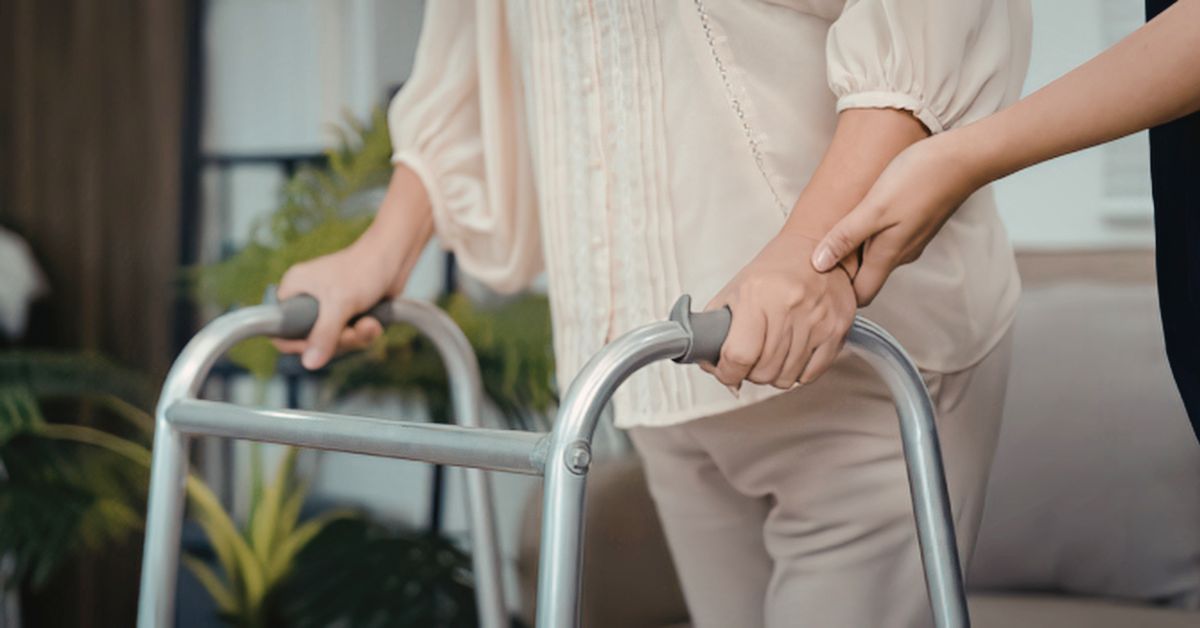
Sarcopenia is a progressive and generalised skeletal muscle disorder that involves the accelerated loss of muscle mass and function. While it is often associated with the natural ageing process, it is more than just becoming “frailer” as one grows older. Clinically, it is defined by a decrease in muscle quantity or quality, followed by a decline in physical performance and muscle strength.
This condition is significant because skeletal muscle accounts for approximately 40 per cent of total body weight and plays a critical role in metabolic health, movement, and posture. When a person develops sarcopenia, the loss of muscle mass can lead to a higher risk of falls, bone fractures, and physical disability. It is often referred to as the “age-related” muscle loss, but its onset can be influenced by various lifestyle factors and chronic health conditions.
Contact UsBack To: Physiotherapy Main Page
Why Does Muscle Loss Occur With Age?
The human body naturally begins to lose muscle mass after the age of 30. However, the rate of decline accelerates significantly after the age of 60. Several biological mechanisms contribute to this process. One primary factor is the reduction in the number of motor neurons which send signals from the brain to the muscles to initiate movement. As these signals weaken, muscle fibres begin to atrophy.
Furthermore, hormonal changes play a major role. Decreasing levels of testosterone and insulin-like growth factor (IGF-1) reduce the body’s ability to synthesise protein and maintain muscle tissue. Additionally, chronic inflammation—often termed “inflammaging”—can interfere with the body’s natural repair processes. Nutritional deficiencies, particularly an inadequate intake of protein and Vitamin D, further exacerbate the breakdown of muscle tissue.
How Does Sarcopenia Affect The Singaporean Population?
In Singapore, the demographic shift towards an ageing population has made sarcopenia a pressing public health concern. Local studies suggest that a significant proportion of community-dwelling older adults in Singapore may be living with undiagnosed sarcopenia. The local lifestyle, which often involves a transition from a physically active working life to a more sedentary retirement, contributes to the rapid progression of muscle loss.
Moreover, the prevalence of chronic diseases such as diabetes in Singapore is a contributing factor. Diabetes can accelerate muscle wasting through insulin resistance and systemic inflammation. Health authorities in Singapore have increasingly focused on “frailty” as a key indicator of health in the elderly, with sarcopenia being a primary driver of this frailty.
What Are The Prevailing Attitudes Towards Resistance Training In Singapore?
Despite the clear benefits of strength-building exercises, there remains a cultural hesitation towards resistance training among the older generation in Singapore. Many seniors perceive weightlifting or resistance exercises as “strenuous” or “dangerous” for their joints. There is a common misconception that walking or tai chi is sufficient for maintaining health in old age.
While low-impact aerobic activities are beneficial for cardiovascular health, they do not provide the necessary stimulus to prevent or reverse sarcopenia. Many older Singaporeans fear injury or believe that they are “too old” to begin strength training. This cultural barrier often results in a lack of muscle-loading activity, which is essential for maintaining bone density and muscle mass.
Why Is Building Muscle Mass Critical For Long-Term Health?
Building and maintaining muscle mass is essential for preserving independence. Muscle acts as a metabolic reservoir; it helps regulate blood glucose levels and supports a healthy metabolism. Beyond physical movement, muscle strength is a vital component of the body’s ability to recover from illness or surgery.
Stronger muscles provide better support for the skeletal system, which reduces the pressure on joints and lowers the risk of developing osteoarthritis. It is important to build up muscles to ensure that the body remains resilient against the physical challenges of ageing. A higher level of muscle mass is strongly correlated with a lower risk of all-cause mortality and a higher quality of life in the later years.
How Can Sarcopenia Be Prevented?
The prevention of sarcopenia relies on a two-pronged approach: nutrition and resistance exercise. Consuming adequate high-quality protein is necessary to provide the amino acids required for muscle protein synthesis. For older adults, the protein requirement is often higher than that of younger individuals to overcome age-related “protein resistance.”
Engaging in progressive resistance training—exercises that require muscles to work against an external force—is the most effective way to stimulate muscle growth. This can include the use of resistance bands, free weights, or bodyweight exercises. Consistency is vital; health experts generally recommend at least two sessions of muscle-strengthening activities per week to maintain functional health. Find out why muscle is medicine when it comes to chronic diseases and conditions.
Find A Physiotherapist For Sarcopenia
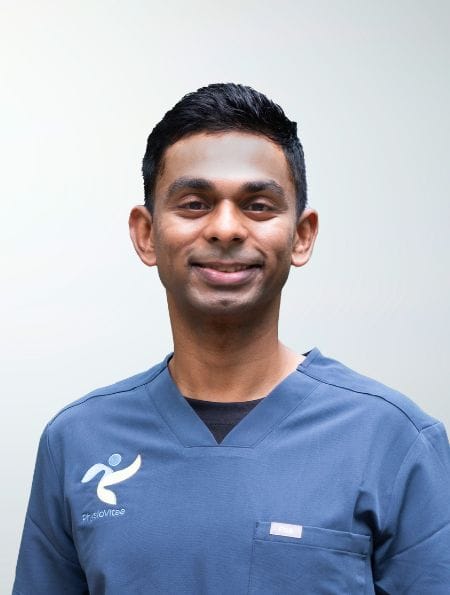
If you are looking for a healthcare professional to guide you on sarcopenia prevention, you can consider our Preferred Physiotherapists:
- Koe Zi Yi is the specialist you see when your recovery involves the “heart and lungs.” He has expertise in bridging the gap between hospital-grade treatment and daily life, helping patients with complex conditions like Chronic Obstructive Pulmonary Disease (COPD) and Heart Failure breathe with ease and move with confidence.
- Rethinam Ganesan is a recognised leader in cardiopulmonary rehabilitation. He blends evidence-based physiotherapy with lifestyle medicine to help patients prevent and manage chronic diseases.



Back To: Physiotherapy Main Page
All content on this site is informative only and is not intended to be a substitute for professional medical advice, diagnosis, or treatment, and should never be relied upon for specific medical advice. If you are experiencing a medical emergency, call 995 immediately or go to the nearest Accident & Emergency department.
health365.sg is a member of Group 365Asia.