

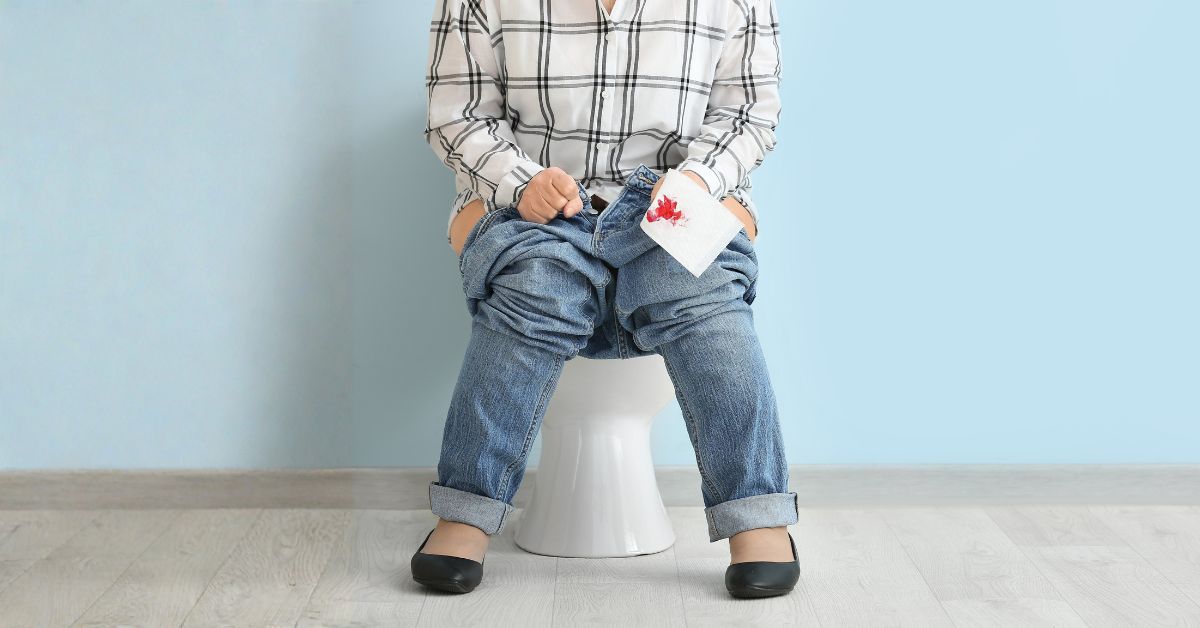
If you notice soft tissue bulging from your anus during bowel movements, you may wonder whether you are experiencing piles or rectal prolapse. Although these two conditions may appear similar, they are very different in cause, structure, and treatment. Many patients mistake one for the other, yet identifying the correct condition is vital — rectal prolapse usually needs surgery, while piles often improve with simpler measures.
Get An Appointment With A Colorectal Surgeon
Contact MedicalTravel.asiaBack To: Anorectal Conditions Main Page
Understanding Rectal Prolapse
Rectal prolapse occurs when the final portion of the large intestine (the rectum) slips downward and protrudes through the anal opening. This happens because the ligaments and muscles that hold the rectum in place weaken over time, allowing the rectal wall to telescope outward.
Doctors describe three forms of rectal prolapse:
- Internal prolapse (intussusception): The rectum folds into itself but remains inside.
- Mucosal prolapse: Only the inner lining of the rectum appears externally.
- Full-thickness prolapse: The entire rectal wall slides out through the anus.
Rectal prolapse usually develops gradually. It may begin with a feeling of incomplete emptying and eventually progress to a visible protrusion that sometimes must be pushed back manually.
Understanding Piles
Piles, also called haemorrhoids, form when the natural cushions of blood vessels inside the anal canal become enlarged or swollen. These cushions help control stool, but excessive pressure causes them to bulge, bleed, or become painful.
There are two main types:
- Internal piles occur higher up in the rectum above the dentate line, where there are no pain sensors — bleeding is often the first symptom.
- External piles form below this line, where nerve endings are dense, and can be acutely painful, particularly when a clot (thrombosis) develops.
Unlike rectal prolapse, piles affect only the veins and supporting tissues, not the full thickness of the rectal wall.
How Rectal Prolapse And Piles Look Different
Even though both conditions can cause tissue to protrude from the anus, their appearance and texture differ noticeably.
- Piles look like separate, rounded lumps or grape-like clusters. They can be purple, pink, or dark red, depending on whether they are inflamed or clotted. Each lump originates from a distinct point in the anal canal and often retracts on its own after passing stool.
- Rectal prolapse, in contrast, appears as a smooth cylindrical ring of tissue that encircles the anal opening. The surface shows concentric circular folds, unlike the radial folds of piles, and resembles the lining of the intestine — pink and moist.
Prolapse usually extends farther than piles and often requires the patient to manually push the tissue back inside after defecation.
How The Symptoms Differ
Although both conditions can cause discomfort and bleeding, their symptom patterns are quite different.
Typical Piles Symptoms
- Bright red bleeding after bowel movements
- Itching, swelling, or soreness around the anus
- Lumps that protrude when straining
- Pain, especially with external or thrombosed piles
Typical Rectal Prolapse Symptoms
- Persistent feeling of tissue slipping out of the anus
- Continuous mucus leakage that may soil undergarments
- Loss of bowel control ranging from gas leakage to full incontinence
- Incomplete evacuation, even after defecation
- Progressive worsening over months or years
Piles tend to fluctuate with diet and bowel habits, whereas rectal prolapse progresses steadily and can severely affect continence if left untreated.
Causes And Risk Factors
Both piles and rectal prolapse are linked to straining and constipation, but the underlying problems differ.
- Piles result from increased pressure in the anal cushions. This pressure may come from chronic constipation, pregnancy, obesity, prolonged sitting, or heavy lifting.
- Rectal prolapse develops when pelvic floor support structures weaken. Repeated childbirth, nerve injury, or ageing can stretch the ligaments that hold the rectum in place.
While piles can appear at any age, rectal prolapse most often affects older adults and women who have given birth multiple times, as well as young children. People with connective-tissue disorders or neurological diseases like multiple sclerosis are also at greater risk.
Diagnosing The Two Conditions
A colorectal specialist can tell piles and rectal prolapse apart through a careful physical examination. Patients may be asked to bear down or strain, which helps the doctor observe how far the tissue protrudes and what pattern it forms.
Typical diagnostic tools include:
- Anoscopy, a quick clinic procedure that visualises internal piles and checks for other anal problems such as fissures or fistulas.
- Defecography or dynamic MRI, imaging tests that show how the rectum behaves during defecation, useful for identifying internal prolapse or pelvic floor weakness.
- Colonoscopy, especially in patients over 50 or with rectal bleeding, to rule out cancer or polyps.
These investigations help ensure the correct diagnosis and the most suitable treatment plan.
Treatment Options
Managing Piles
Most cases of piles improve without surgery. Doctors typically recommend:
- Increasing dietary fibre (25–35 g per day)
- Drinking more water
- Taking warm sitz baths for comfort
- Using mild topical creams for short-term relief
If conservative methods fail, office-based treatments such as rubber-band ligation, sclerotherapy, or infrared coagulation may be performed. Severe cases may require laser haemorrhoidoplasty, or haemorrhoidectomy (a surgical procedure to remove large prolapsed piles).
Our Preferred Doctors (Colorectal Surgeons) For Anorectal Condition Treatments
If you are looking for a colorectal surgeon in Singapore for rectal prolapse or piles treatment, here are our Preferred Doctors you can consider:
- Dr Chong Choon Seng is a highly experienced colorectal surgeon in Singapore known for his expertise in minimally invasive and robotic techniques for colorectal cancer, polyps, and complex anorectal conditions. With extensive training and years of surgical practice, he is trusted for delivering safe, precise, and evidence‑based care tailored to each patient’s needs.
- Dr Lee Kuok Chung is a highly experienced colorectal surgeon with nearly 20 years of practice, specialising in minimally invasive and robotic surgery for colorectal cancer and complex perianal conditions. He is also one of the few surgeons in Singapore skilled in advanced endoscopic techniques such as EMR and ESD, allowing large polyps and early cancers to be removed without major surgery.
- Dr Daniel Lee is a highly experienced colorectal surgeon in Singapore, known for his expertise in minimally invasive techniques such as laparoscopic colorectal surgery, TAMIS, and advanced laser procedures for piles, fistulas, and pilonidal disease. Dr Lee is trusted for handling even the most challenging cases.




Dr Chong Choon Seng 张峻诚医生

[SG] Featured Doctor- Dr Juanda Leo Hartono
Managing Rectal Prolapse
Rectal prolapse rarely resolves on its own. While pelvic-floor exercises and biofeedback therapy can help mild cases, most patients need surgery.
Common operations include:
- Laparoscopic rectopexy, which re-anchors the rectum inside the pelvis and offers a durable, minimally invasive solution.
- Perineal procedures performed through the anus and suited for older or medically fragile patients.
Timely surgical correction helps preserve continence and prevents further complications.
Potential Complications
Ignoring either condition can lead to long-term problems. Chronic piles may bleed enough to cause anaemia, or become thrombosed and extremely painful. Rectal prolapse, when neglected, can ulcerate, bleed, or become incarcerated (trapped outside the anus), occasionally leading to obstruction or tissue death. Extended prolapse also stretches the anal sphincter, causing permanent incontinence even after repair.
Frequently Asked Questions (FAQs)
No. These are separate conditions. Piles involve swollen veins, while rectal prolapse results from a weakened pelvic floor. Although they may occur together, one does not cause the other.
Straining reproduces the bulge that occurs when you pass stool. This allows the doctor to observe whether the tissue shows circular folds (prolapse) or discrete lumps (piles), confirming the correct diagnosis.
Rectal prolapse almost always requires surgery, whereas piles usually respond to diet and non-surgical treatment. Early assessment ensures better outcomes and preserves bowel control.
Get An Appointment With A Colorectal Surgeon
Although piles and rectal prolapse can both cause anal protrusion, their origins and management differ significantly. Piles usually settle with dietary and lifestyle changes, while rectal prolapse is a structural problem that needs surgical repair. If you notice persistent protrusion, bleeding, or mucus leakage, seek advice from a colorectal surgeon for accurate diagnosis and timely treatment.
Contact MedicalTravel.asiaBack To: Anorectal Conditions Main Page
All content on this site is informative only and is not intended to be a substitute for professional medical advice, diagnosis, or treatment, and should never be relied upon for specific medical advice. If you are experiencing a medical emergency, call 995 immediately or go to the nearest Accident & Emergency department.
health365.sg is a member of 365Asia.